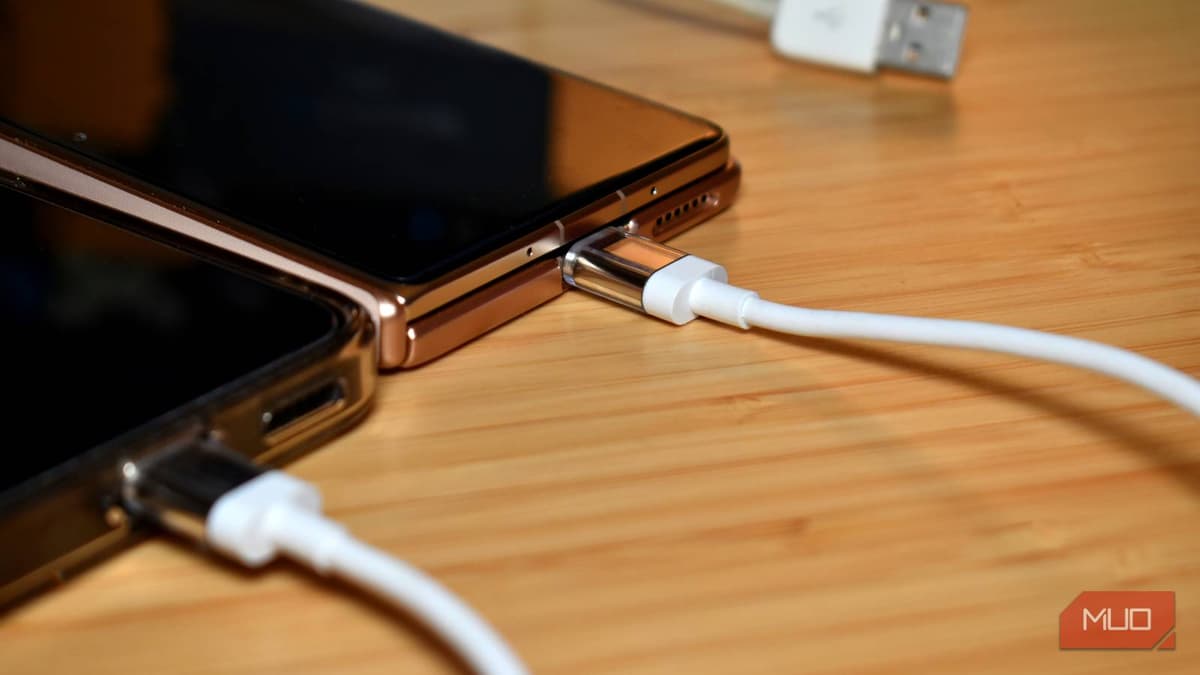
5 USB-C Tricks that Feel Wrong Until You Try Them
Companies Mentioned
Why It Matters
Unlocking USB‑C’s full potential reduces the need for extra peripherals, cuts costs, and boosts mobile productivity across consumer and enterprise environments. Understanding and leveraging these features can give businesses a competitive edge in a mobile‑first world.
Key Takeaways
- •Reverse charging works on iPhone 15 and many Android flagships via USB‑PD.
- •USB‑C to Ethernet adapters enable gigabit wired internet on compatible phones.
- •USB‑C monitors can receive video and power over a single cable.
- •E‑marker cables unlock up to 100 W or 240 W for laptop charging.
- •External SSDs allow 4K ProRes capture directly from iPhone 15 Pro.
Pulse Analysis
The USB‑C connector has evolved from a simple power and data conduit into a multi‑protocol gateway, thanks to standards like Power Delivery (PD) and Alternate Mode (Alt Mode). PD negotiates voltage and current bidirectionally, while Alt Mode can tunnel DisplayPort, HDMI, or even Ethernet signals over the same pins. Coupled with the high‑speed lanes of USB4, the connector can handle everything from 5 V charging to 240 W power delivery, making it a universal interface for modern devices.
Practically, these specifications translate into everyday productivity hacks. Reverse charging lets a flagship phone become a portable power source for another device, a boon for on‑the‑go teams. A USB‑C‑to‑Ethernet adapter can give a smartphone a stable gigabit link, ideal for remote workers needing reliable bandwidth. Monitors that support PD pass‑through eliminate clutter by delivering video and power via a single cable, while e‑marker‑enabled cables unlock the full 100 W or 240 W range needed to keep laptops running from compact power banks. For content creators, external SSDs paired with iPhone 15 Pro’s native ProRes support enable 4K recording without sacrificing internal storage.
The market is responding: manufacturers are embedding Ethernet controllers and higher‑wattage PD chips, while accessory makers produce certified e‑marker cables and multi‑function adapters. However, many users still rely on generic, unmarked cables that cap performance at 60 W, missing out on faster charging and higher data rates. Businesses should audit their device ecosystems, ensure cables meet the required specifications, and train staff on these hidden capabilities. Doing so maximizes hardware ROI, streamlines workflows, and positions organizations to leverage the next wave of USB‑C‑driven innovations.
5 USB-C tricks that feel wrong until you try them
Comments
Want to join the conversation?
Loading comments...