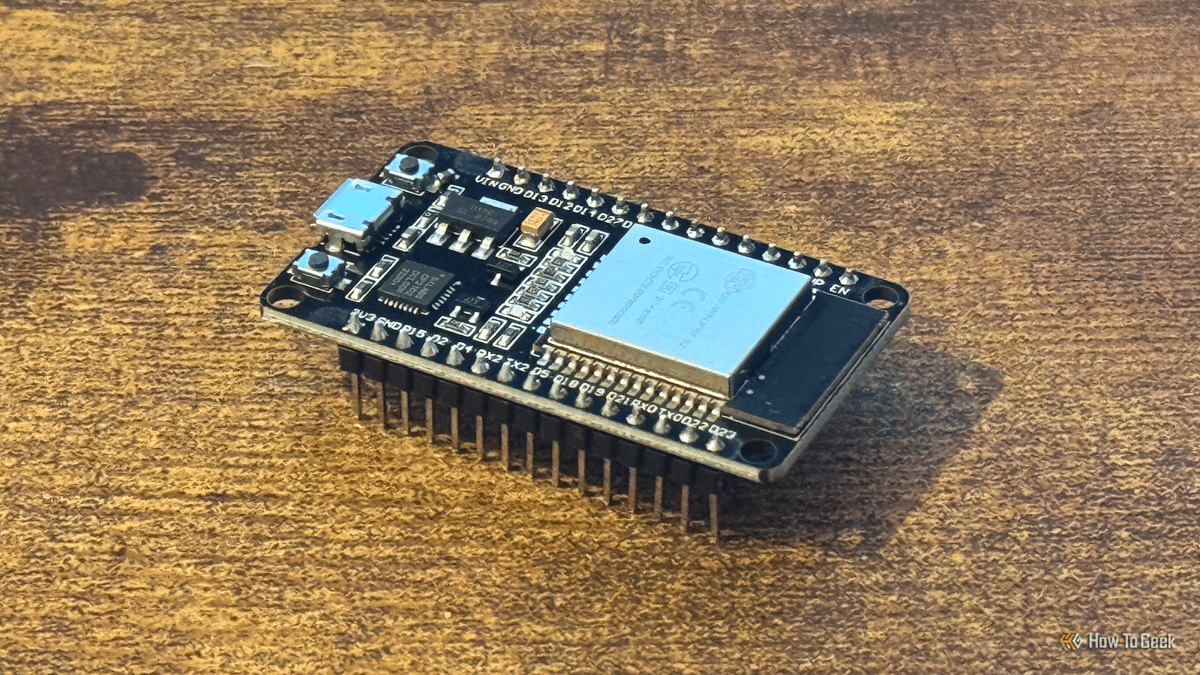
Why It Matters
These ultra‑affordable, fast‑to‑build ESP32 solutions lower the barrier to smart‑home automation, enabling users to replace pricey commercial devices with DIY alternatives. The ease of integration accelerates adoption of open‑source IoT ecosystems across the consumer market.
Key Takeaways
- •Bluetooth proxy extends ESP32 range for smart‑home devices
- •DIY temperature/humidity sensor costs under $5
- •Vibration sensor alerts when laundry cycle ends
- •ESP32 runs WLED to control addressable LED strips
- •Single ESPresence node tracks room occupancy via Wi‑Fi/Bluetooth
Pulse Analysis
The ESP32 has become the cornerstone of the maker‑focused IoT scene thanks to its sub‑$10 price tag, dual Wi‑Fi/Bluetooth radios, and a thriving open‑source firmware ecosystem. Platforms like ESPHome and Home Assistant let users flash pre‑configured images and instantly expose sensors to a central dashboard, eliminating the need for custom code. This plug‑and‑play approach shortens development cycles dramatically, making sophisticated home‑automation prototypes achievable in a single afternoon.
Among the highlighted hour‑long builds, the Bluetooth proxy solves common range limitations by rebroadcasting signals to distant hubs, while a DIY temperature and humidity sensor—often assembled with an AHT20 or BME280 for under $5—feeds precise climate data into heating schedules. A simple SW‑420 vibration module can notify homeowners when laundry finishes, and a PIR motion sensor automates lighting without expensive retail units. The WLED project transforms an ESP32 into a full‑featured addressable‑LED controller, delivering vibrant light shows that integrate with Home Assistant scenes. Each project emphasizes minimal parts, low cost, and seamless software integration.
Collectively, these examples illustrate how the ESP32 democratizes IoT deployment, allowing hobbyists to replace proprietary gadgets with customizable, secure alternatives. As standards like Matter, Zigbee, and Z‑Wave converge on the ESP32’s hardware, the platform is poised to support more interoperable and scalable smart‑home solutions. This momentum not only fuels the DIY community but also signals to manufacturers that low‑cost, open‑source hardware can meet mainstream consumer expectations for reliability and ease of use.
7 ESP32 projects you can do in 1 hour
Comments
Want to join the conversation?
Loading comments...