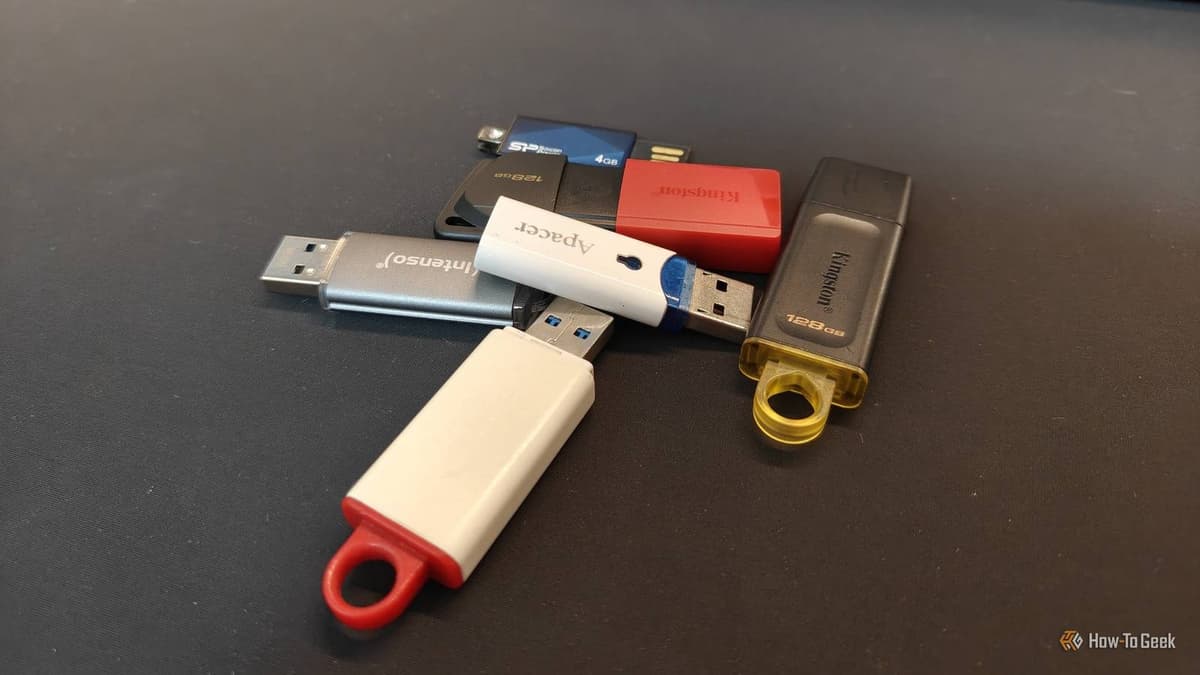
A $30 USB Drive Just Saved Me From a $500 PC Repair Bill
Why It Matters
A low‑cost, self‑service rescue kit reduces reliance on expensive technician visits and shortens downtime for both home users and small businesses. It also democratizes PC maintenance by putting powerful recovery tools in anyone’s hands.
Key Takeaways
- •Ventoy enables drag‑and‑drop ISO multiboot on a single USB
- •Dual‑connector flash drive works with both USB‑A and USB‑C ports
- •Live Linux USB provides file recovery when Windows fails
- •Carry adapters, Ethernet dongle, and hub for broader hardware support
- •A $30 rescue stick can avoid a $500 repair bill
Pulse Analysis
The DIY rescue kit trend reflects a broader shift toward consumer empowerment in tech support. As remote work entrenches itself, users are more likely to encounter hardware or software failures outside the office. Investing $30 in a dual‑connector flash drive equipped with multiboot capabilities can avert a typical $500 repair invoice, delivering immediate cost savings and reducing service‑center traffic. This approach also aligns with sustainability goals, extending the usable life of existing hardware rather than discarding it.
At the heart of the kit is Ventoy, an open‑source utility that transforms a USB stick into a flexible boot platform. By simply copying ISO files—Windows 11 installers, Linux live distributions, or vendor‑specific recovery images—users can select the desired environment at startup without reformatting. Pairing the drive with both USB‑A and USB‑C connectors ensures compatibility across legacy laptops and modern ultrabooks. Adding a live Linux USB adds a powerful file‑system explorer that operates independently of a compromised Windows installation, enabling data extraction and diagnostics.
Beyond individual savings, widespread adoption of such kits could reshape the consumer repair market. Service providers may see reduced demand for basic software fixes, prompting a pivot toward more complex hardware diagnostics and value‑added services. Meanwhile, businesses can standardize a corporate rescue stick, ensuring rapid response to endpoint failures and reinforcing cybersecurity by using trusted, offline recovery tools. As the ecosystem evolves, we can expect tighter integration of multiboot utilities with cloud‑based imaging solutions, further streamlining the balance between self‑service and professional support.
A $30 USB drive just saved me from a $500 PC repair bill
Comments
Want to join the conversation?
Loading comments...