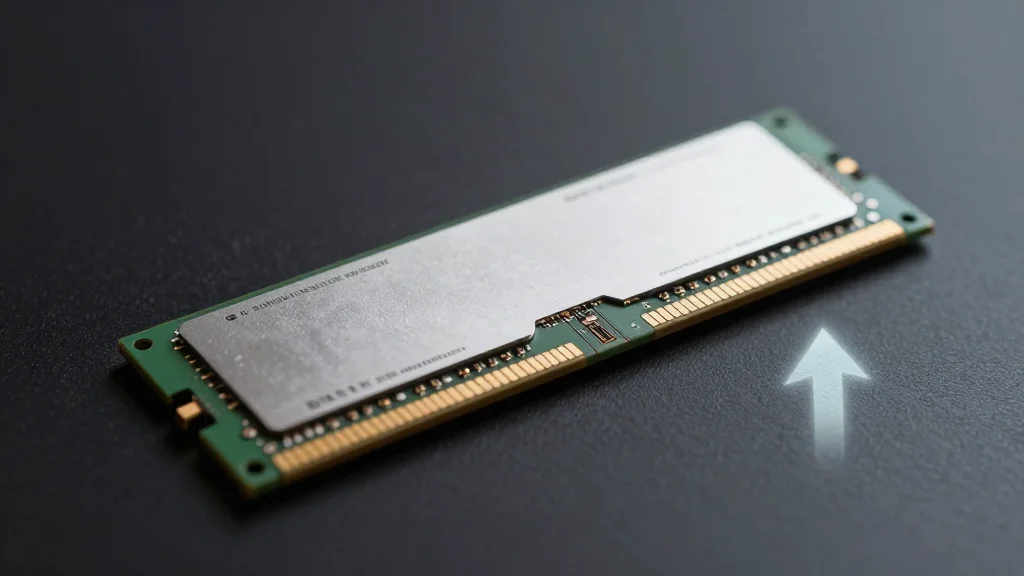
AI Boom Drives Memory Chip Prices to ‘Insane’ Levels in US, Adding to Inflation Pressures
Companies Mentioned

Why It Matters
AI‑driven hardware shortages are feeding inflation, complicating the Federal Reserve’s effort to lower rates, while also raising operating costs for businesses and consumers alike.
Key Takeaways
- •RAM prices tripled to $300, a 237% YoY jump.
- •Memory chip surge adds ~0.4 percentage point to headline inflation.
- •Software and computer accessories up 14.5% YoY, a record rise.
- •AI data‑center build‑out fuels labor demand and higher electricity costs.
Pulse Analysis
The rapid expansion of artificial‑intelligence workloads has created an unprecedented demand for DRAM, the memory backbone of servers, laptops, and even smartphones. As data‑centers scale to support large language models, manufacturers are forced to allocate a disproportionate share of their wafer capacity to high‑bandwidth memory, squeezing out supply for consumer‑grade modules. The result is a price trajectory that has more than tripled in half a year, far outpacing the typical modest price declines seen when technology matures. This imbalance not only inflates the cost of new PCs and smartphones but also raises the expense of upgrading existing equipment, prompting many small businesses to replace whole systems rather than add RAM.
From an inflationary standpoint, the memory shock is a rare instance where a technology trend adds upward pressure to the consumer price index. Bloomberg Economics quantifies the effect at about 0.4 percentage points, a non‑trivial contribution given that headline inflation has recently crept back above 4%. The ripple effect extends to electricity markets, as power‑hungry AI clusters drive up grid demand and wholesale rates. Moreover, the construction and skilled‑trade sectors are feeling a boost, with data‑center builds creating jobs for electricians, HVAC technicians, and welders, further nudging wage pressures in localized labor markets. These dynamics complicate the Federal Reserve’s policy calculus, delaying potential rate cuts that were predicated on a smoother disinflation path.
Looking ahead, analysts expect the memory‑price surge to peak by early 2025 as manufacturers expand capacity and AI‑specific memory products enter the market. Historical semiconductor cycles suggest that once supply catches up, prices could retreat sharply, delivering a temporary inflationary blip rather than a sustained super‑cycle. In the longer run, the productivity gains promised by AI may eventually offset these short‑term cost spikes, but businesses must navigate the current volatility by budgeting for higher hardware and energy expenses and considering strategic partnerships with chip suppliers to secure more predictable pricing.
AI boom drives memory chip prices to ‘insane’ levels in US, adding to inflation pressures
Comments
Want to join the conversation?
Loading comments...