AI Is Killing the Cheap Smartphone. The Memory that Powers Your Phone Now Goes to Data Centres Instead.
Companies Mentioned
Why It Matters
The reallocation of memory chips erodes affordable smartphone access for the world’s poorest, widening the digital divide and reshaping cost structures for major OEMs.
Key Takeaways
- •HBM demand will consume 20% of DRAM wafers by 2026
- •LPDDR4 prices jumped 250% between Q1 2025‑2026
- •India's sub‑$100 phone market fell 59% YoY Q1 2026
- •Micron exited consumer DRAM, focusing solely on AI
- •Apple pays 100% premium for LPDDR5X in 2025
Pulse Analysis
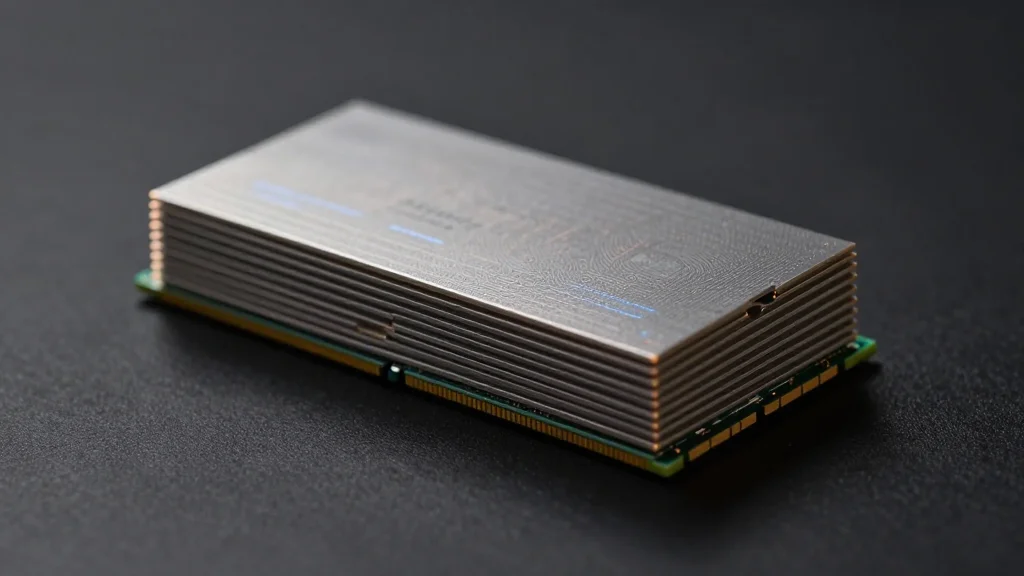
The surge in artificial‑intelligence workloads has turned memory into the most lucrative semiconductor segment. High‑bandwidth memory (HBM) stacks multiple DRAM dies, delivering the bandwidth needed for large language models and generative AI. Because a gigabyte of HBM consumes three times the wafer area of standard DRAM, manufacturers are reallocating existing capacity rather than expanding fabs. This strategic shift boosts margins for Samsung, SK Hynix and Micron—projected to exceed $140 billion in combined profit by 2026—while leaving the commodity DRAM market under‑served.
For budget‑focused smartphone makers, the consequences are immediate and severe. LPDDR4 and LPDDR5 prices have risen 250% and 220% respectively, inflating the memory share of a low‑cost Android phone from 15% to as much as 50%. Companies such as Transsion, Oppo and Vivo have cut shipments by 15‑40% and seen profit declines exceeding 50%. In India, the sub‑$100 segment—once the gateway to internet access for millions—collapsed 59% year‑over‑year, and similar trends are unfolding across Africa where sub‑$200 devices dominate. The price shock threatens to push large swaths of the global population out of the mobile ecosystem.
The ripple effects extend to premium OEMs and the broader tech ecosystem. Apple’s 2025 contract with Samsung now includes a 100% premium for LPDDR5X, inflating iPhone 17 Pro memory costs by 230% and prompting a delay of the iPhone 18 to 2027. Samsung’s own consumer division faces its first annual loss on smartphones, while Dell has already raised laptop prices by up to 20%. Although Chinese entrant ChangXin Memory Technologies offers a modest supply buffer, it too plans to shift 20% of capacity to HBM. As hyperscalers continue to outbid budget phone makers for DRAM, policymakers must grapple with a growing digital inequality driven by the economics of AI‑centric memory production.
AI is killing the cheap smartphone. The memory that powers your phone now goes to data centres instead.
Comments
Want to join the conversation?
Loading comments...