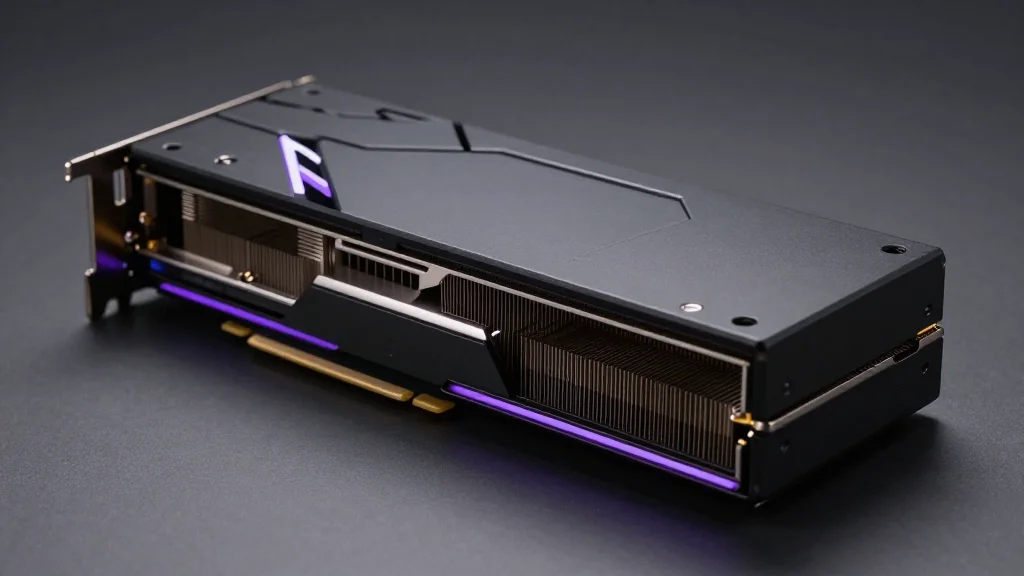
AMD Next-Generation Radeon GPUs May Not Arrive Until 2027
Companies Mentioned
Why It Matters
A prolonged GPU refresh limits new performance gains for gamers while extending the relevance of current Radeon and RTX models, reshaping market demand and OEM planning.
Key Takeaways
- •RDNA 5 GPUs likely launch Q2‑Q3 2027, possibly 2028
- •AMD’s refresh cycle may stretch to 2.5‑3 years
- •AI and data‑center demand divert fab capacity from gaming GPUs
- •Memory shortages could delay advanced packaging for next‑gen cards
- •RX 9000 and RTX 50 series may remain price‑competitive longer
Pulse Analysis
The graphics‑card market has long followed a roughly two‑year refresh rhythm, but rumors from AMD’s board partners suggest the next RDNA 5 architecture will not appear until the second half of 2027, with a possible spill‑over into early 2028. The current RX 9000 series, launched in early 2025, will therefore enjoy an unusually long lifespan. This delay mirrors similar expectations for NVIDIA’s post‑Blackwell GPUs, hinting at a broader industry slowdown. Extending the cadence gives AMD more time to refine the silicon but also risks ceding momentum to competitors in emerging segments.
Two forces are reshaping AMD’s schedule. First, the semiconductor sector is prioritizing AI accelerators and data‑center processors, which command higher margins and consume the most advanced process nodes. As fabs allocate capacity to these workloads, fewer wafers remain for gaming‑focused GPUs, pushing back design cycles. Second, the ongoing shortage of high‑bandwidth memory—driven by AI training clusters and cloud services—creates a bottleneck for the large VRAM packages typical of flagship graphics cards. Advanced packaging techniques, such as chip‑on‑wafer, also compete for limited supply, further delaying RDNA 5.
For PC builders and OEMs, the elongated gap could be a double‑edged sword. Existing Radeon RX 9000 and Nvidia RTX 50 series cards may retain performance relevance, allowing software developers to extract additional frames through driver optimizations and game engine updates. However, enthusiasts awaiting a generational leap may postpone upgrades, dampening short‑term demand for high‑end GPUs. Retailers might see steadier inventory turnover, while AMD could leverage the interval to expand its AI‑centric portfolio, potentially offsetting any revenue dip from slower gaming‑GPU launches. The market will watch closely whether the delay translates into a stronger, more diversified product mix.
AMD Next-Generation Radeon GPUs May Not Arrive Until 2027
Comments
Want to join the conversation?
Loading comments...