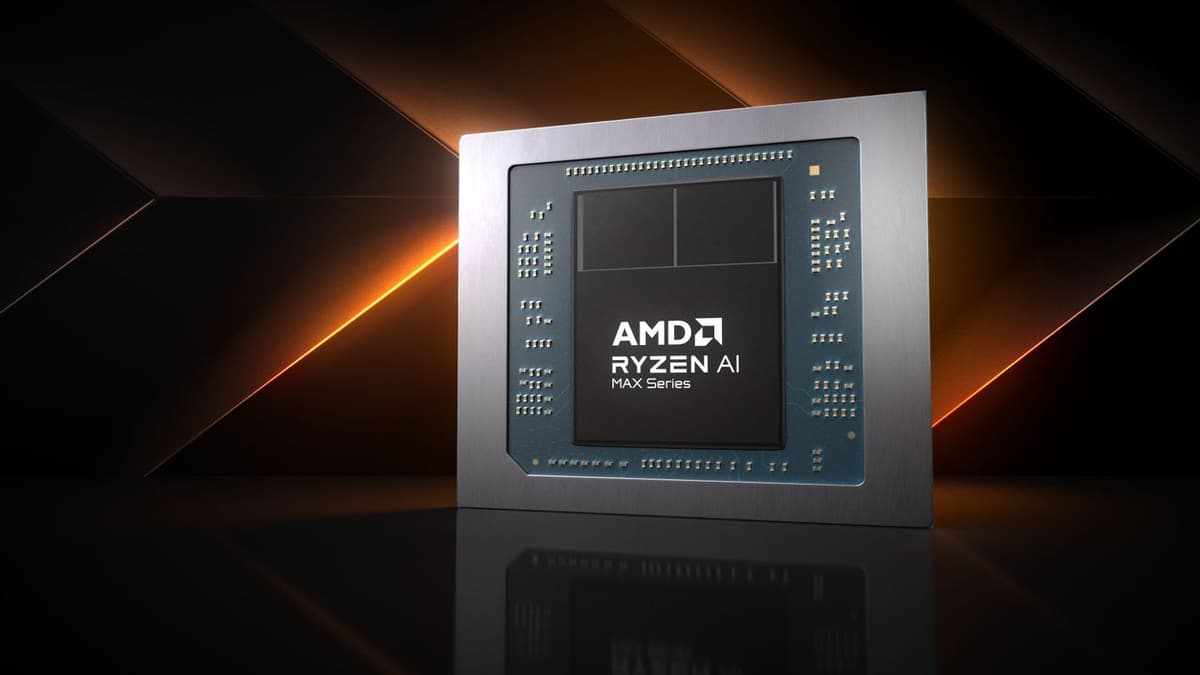
AMD Ryzen AI Max 400 ‘Gorgon Halo’ Packs up to 192GB of Unified Memory — Refreshed APU Uses Zen 5 and RDNA 3.5, and Can Clock up to 5.2 GHz
Companies Mentioned

Why It Matters
The massive unified memory pool enables on‑device execution of large language models that previously required cloud resources, giving enterprises a cost‑effective, secure AI compute option. AMD’s pricing and performance edge could shift the balance in the x86 AI‑accelerator market.
Key Takeaways
- •Gorgon Halo supports up to 192 GB unified memory, 160 GB usable as VRAM
- •Max+ Pro 495 reaches 5.2 GHz boost with 16 Zen 5 cores
- •AMD claims 14% higher token throughput vs Nvidia DGX Spark
- •Pre‑orders start June; base Halo system priced at $3,999
Pulse Analysis
AMD’s latest Ryzen AI Max 400 refresh, codenamed Gorgon Halo, marks a strategic push into the high‑end AI‑on‑premise segment. By expanding unified memory capacity to 192 GB—160 GB of which can serve as VRAM—the chips become the first x86 client processors capable of running 300‑billion‑parameter language models locally. This memory leap, combined with Zen 5 CPU cores and RDNA 3.5 graphics, narrows the performance gap with specialized ARM‑based solutions from Apple and Nvidia, while retaining the broad software compatibility of the x86 ecosystem.
Performance claims are equally bold. AMD asserts the upcoming Ryzen AI Halo workstation, powered by the Max+ Pro 495, delivers up to 14% more tokens per second than Nvidia’s DGX Spark on the GLM 4.7 Flash 30B benchmark, and a 4% edge on Qwen 3.6 35B. With a starting price of $3,999—about $700 less than the DGX Spark—the Halo promises a tangible reduction in token‑related cloud spend, potentially saving customers $750 per month and breaking even within six months for heavy‑use cases. The system’s support for both Linux and Windows further broadens its appeal to diverse enterprise workloads.
The market implications are significant. By bundling enterprise‑grade security (AMD PRO), Wi‑Fi 7, 10 Gbps Ethernet, and a modest 120 W TDP into a compact 5.9‑inch chassis, AMD targets midsize businesses and AI‑focused startups that need on‑premise compute without the overhead of large data‑center installations. The June pre‑order window and anticipated Q3 2026 OEM releases suggest AMD is testing demand before scaling production, a cautious approach reminiscent of its earlier Strix Halo deployments. If adoption accelerates, the Gorgon Halo platform could pressure competitors to raise memory limits and lower prices, reshaping the competitive dynamics of x86 AI accelerators.
AMD Ryzen AI Max 400 ‘Gorgon Halo’ packs up to 192GB of unified memory — refreshed APU uses Zen 5 and RDNA 3.5, and can clock up to 5.2 GHz
Comments
Want to join the conversation?
Loading comments...