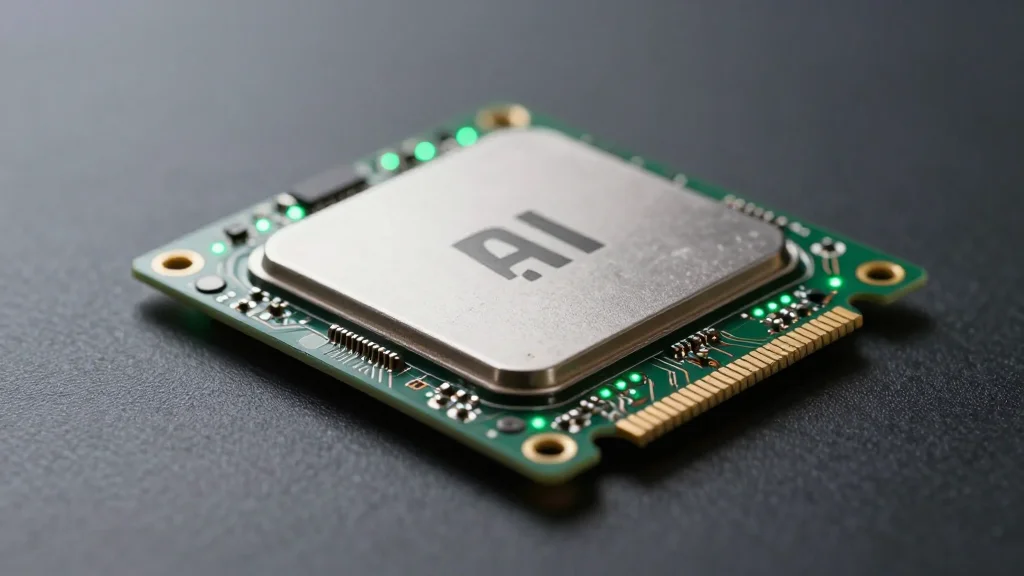
AMD Secures Multi‑GW AI Chip Deals with OpenAI and Meta, Targets 60% Data‑Center Growth

Companies Mentioned

Why It Matters
AMD’s AI accelerator contracts signal a potential reshaping of the data‑center hardware ecosystem, where NVIDIA has long held a commanding share. By securing gigawatt‑scale deployments with two of the world’s largest AI model developers, AMD could diversify the supply chain and introduce pricing pressure that benefits cloud providers. The parallel boost from next‑generation gaming consoles adds a rare dual‑growth engine, reducing reliance on any single market segment and strengthening AMD’s long‑term financial resilience. For the broader hardware industry, AMD’s move underscores the accelerating convergence of AI and consumer electronics. Companies that can supply both high‑performance AI silicon and custom gaming processors are poised to capture cross‑segment synergies, from shared design IP to economies of scale in advanced node manufacturing. The outcome will likely influence fab capacity allocation, component pricing, and the strategic choices of rivals such as Intel, NVIDIA, and emerging Chinese AI chip firms.
Key Takeaways
- •AMD secured multi‑GW AI accelerator deals with OpenAI and Meta, opening a multibillion‑dollar revenue opportunity.
- •Management projects >60% annualized revenue growth for the data‑center segment over the next 3‑5 years.
- •Gaming revenue hit $3.9 billion last year, up 51% YoY, driven by semi‑custom console chips.
- •AMD aims for non‑GAAP EPS of >$20 within three to five years, implying ~37% annualized EPS growth.
- •Next‑gen console launches slated for 2027 could add $1‑2 billion to AMD’s client‑gaming segment.
Pulse Analysis
AMD’s aggressive push into AI accelerators marks a strategic inflection point for the company and the wider silicon market. Historically, AMD has leveraged its GPU expertise to enter the data‑center arena, but the scale of the OpenAI and Meta contracts suggests a shift from niche adoption to mainstream deployment. If AMD can meet the gigawatt‑scale production targets, it will not only erode NVIDIA’s pricing power but also force hyperscalers to diversify their silicon vendors, mitigating supply‑chain risk.
The dual‑track growth model—AI accelerators paired with semi‑custom gaming chips—creates a feedback loop that could accelerate AMD’s R&D cadence. Revenue from console sales funds continued investment in high‑performance compute, while AI chip margins fund next‑generation GPU development. This synergy is rare among chipmakers, many of which focus exclusively on either consumer or data‑center markets. However, the strategy also raises execution risk: delivering on both fronts requires flawless coordination across design, fab capacity, and customer integration teams.
Looking ahead, the market will watch AMD’s upcoming analyst day for concrete performance metrics, such as TFLOPs per watt and price‑per‑core benchmarks, that will determine whether the AI chips can compete on both efficiency and cost. Success could trigger a broader re‑pricing of AI hardware, prompting rivals to accelerate their own product cycles. Conversely, any delay or shortfall could reinforce NVIDIA’s dominance and limit AMD’s upside. In either scenario, AMD’s current trajectory will shape the competitive dynamics of AI infrastructure for the next decade.
AMD Secures Multi‑GW AI Chip Deals with OpenAI and Meta, Targets 60% Data‑Center Growth
Comments
Want to join the conversation?
Loading comments...