AMD Warns Gaming Revenue Could Drop 20% Amid Memory Price Surge
Why It Matters
The outlook underscores a split in the semiconductor market, where consumer gaming faces pricing headwinds while AI‑driven data‑center demand fuels robust growth, reshaping AMD’s revenue mix and investor expectations.
Key Takeaways
- •AMD forecasts >20% drop in H2 2026 gaming revenue.
- •DRAM price surge drives weaker demand for Radeon GPUs and consoles.
- •Data‑center CPU sales projected to rise ~70% YoY in Q2.
- •Commercial client segment remains stable, cushioning consumer slowdown.
- •Memory scarcity may persist, pressuring consumer hardware pricing through 2026.
Pulse Analysis
Rising DRAM prices are reverberating through the consumer gaming ecosystem, and AMD’s latest guidance reflects that pressure. The semiconductor’s memory market has tightened as Micron, SK hynix and others grapple with supply constraints, pushing module costs higher. For gamers, the result is a reluctance to upgrade GPUs or consoles, prompting AMD to trim its second‑half gaming revenue outlook by more than one‑fifth. This dip is not isolated to AMD; console makers Sony and Microsoft have already adjusted retail prices, signaling broader market sensitivity to component inflation.
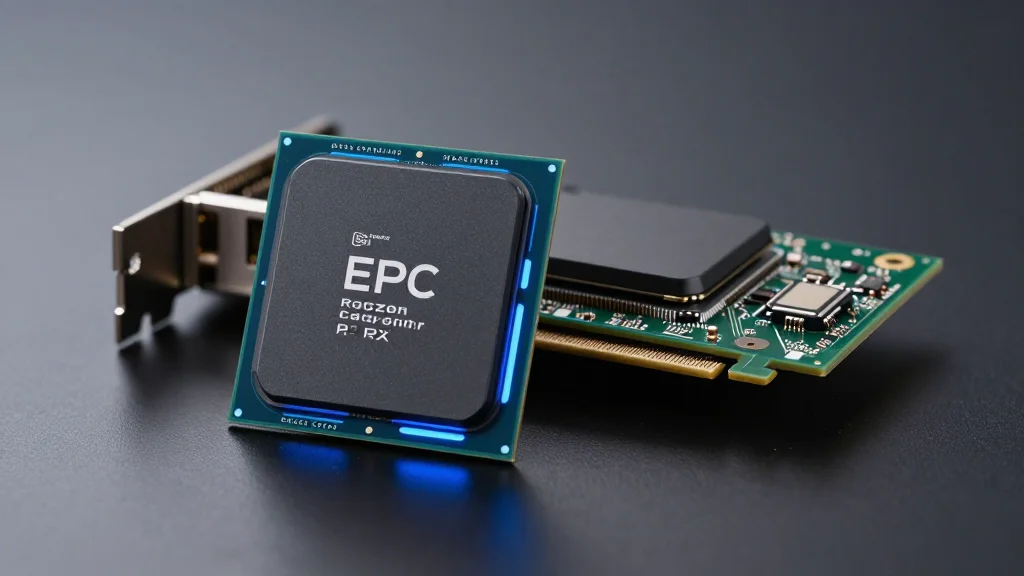
While the gaming segment stalls, AMD’s data‑center division is on a growth trajectory that dwarfs the consumer slowdown. EPYC server processors, bolstered by AI‑centric workloads, are projected to lift data‑center CPU revenue about 70% year‑over‑year in the upcoming quarter. The company’s ability to capture AI spend—where customers prioritize performance over cost—creates a revenue cushion that offsets weaker gaming sales. Moreover, AMD’s strategic focus on high‑margin server chips aligns with industry trends that favor AI training and inference, positioning the firm to benefit from sustained enterprise demand.
Investors should view AMD’s divergent outlook as a bellwether for the wider semiconductor landscape. The contrast between a softening consumer market and a booming AI‑driven data‑center segment suggests that capital allocation may shift toward higher‑margin, growth‑oriented product lines. Supply‑chain managers will need to navigate ongoing memory scarcity, potentially by securing longer‑term DRAM contracts or diversifying component sources. In the near term, AMD’s stable commercial client business provides a buffer, but long‑term performance will hinge on how effectively the company can mitigate memory cost pressures while capitalizing on AI opportunities.
AMD Warns Gaming Revenue Could Drop 20% Amid Memory Price Surge
Comments
Want to join the conversation?
Loading comments...