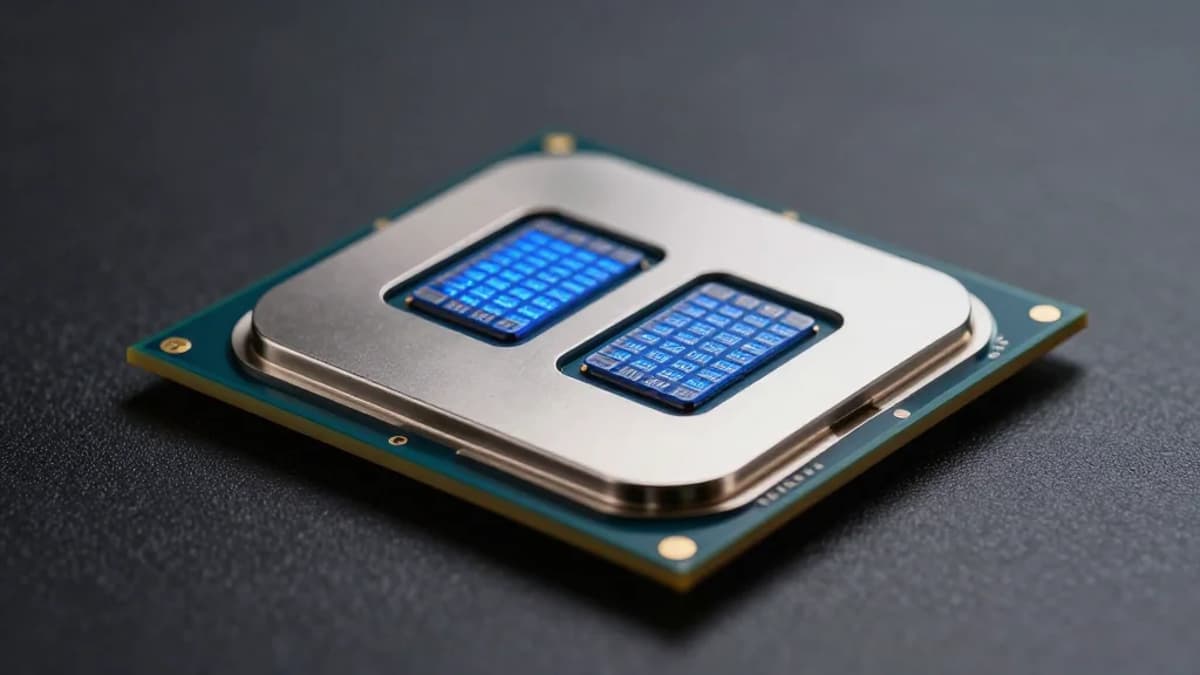
AMD Zen 6 Desktop CPUs Rumored: 6 to 24 Cores and 12-Core CCDs
•February 19, 2026
0
Companies Mentioned


Why It Matters
A 12‑core CCD gives AMD headroom to outpace Intel’s desktop offerings and expands the Ryzen product stack for both gamers and creators. The move preserves platform continuity while potentially reshaping pricing and performance tiers in the high‑end PC market.
Key Takeaways
- •Zen 6 may feature 12‑core CCDs
- •Dual‑CCD designs could reach 24 cores
- •AM5 socket retained for Zen 6
- •Potential 2 nm TSMC process rumored
- •Launch expected second half of 2026
Pulse Analysis
AMD’s Ryzen desktop line has relied on a modular chiplet architecture since the launch of Zen 2, pairing one or two Core Complex Dies (CCDs) with a separate I/O die. Historically each CCD housed up to eight cores, capping mainstream desktop parts at 16 cores with a dual‑CCD configuration. The latest HXL leak suggests Zen 6 will expand the CCD to twelve cores, allowing a standard two‑CCD package to deliver 24 active cores without redesigning the overall stack. This incremental change preserves the proven AM5 socket and inter‑die communication while unlocking a new tier of multi‑thread performance.
The expanded core envelope directly challenges Intel’s current desktop roadmap, where the Core i9‑14 series tops out at 24 cores but often relies on monolithic dies. By keeping the chiplet approach, AMD can offer a broader SKU ladder—from 6‑core entry models to a 24‑core enthusiast SKU—targeting both gamers who prioritize high clock speeds and creators who need massive parallelism. The 20‑core middle tier, in particular, could fill a pricing gap that has been underserved, providing a noticeable uplift over 16‑core parts without the premium of a full 24‑core die.
Despite the excitement, several variables remain speculative. The rumor ties Zen 6 to TSMC’s 2 nm‑class process, a node that promises higher transistor density but may introduce yield challenges and power‑efficiency trade‑offs. AMD will still need to balance clock speeds, cache hierarchy, and thermal design power to make the higher‑core parts viable for mainstream desktops. With a projected launch in the second half of 2026, the market will watch for official specifications, especially memory‑controller updates and power‑delivery requirements, before firms can plan platform upgrades or new product cycles.
AMD Zen 6 Desktop CPUs Rumored: 6 to 24 Cores and 12-Core CCDs
0
Comments
Want to join the conversation?
Loading comments...