Apple Faces 'Massive Dilemma' With Success of the MacBook Neo

Companies Mentioned
Why It Matters
The dilemma tests Apple’s ability to sustain its affordable‑Mac strategy without eroding margins, potentially reshaping its pricing and supply‑chain playbook. It also signals how tightly the company’s ecosystem growth hinges on component availability.
Key Takeaways
- •MacBook Neo demand exceeds binned A18 Pro chip supply
- •TSMC's N3E line operating at full capacity limits production
- •Apple may incur higher costs restarting A18 Pro chip output
- •Possible lineup change: dropping $599, 256GB model
- •Delayed A19 Pro chip rollout could extend supply shortage
Pulse Analysis
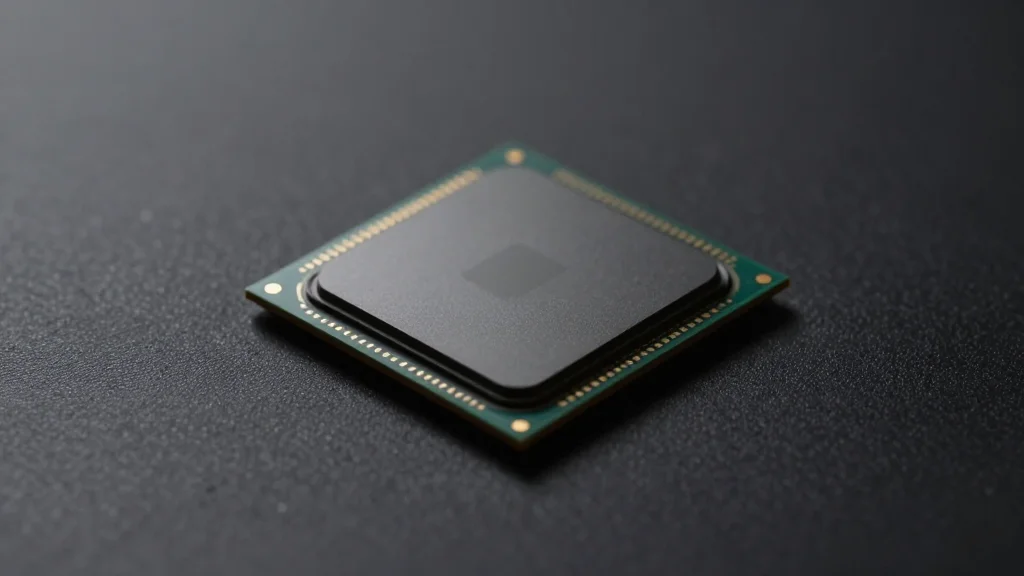
Apple’s reliance on binned A18 Pro chips for the MacBook Neo highlights a classic supply‑chain bottleneck: high‑volume demand collides with limited wafer yields. Chip binning—selling chips with a disabled GPU core to meet a lower‑cost target—has allowed Apple to price the Neo at $599, but it also ties the laptop’s production to the availability of leftover A18 Pro dies. TSMC’s second‑generation 3nm N3E process is already running at full capacity, leaving little slack for additional runs without premium pricing. This scarcity forces Apple into a strategic crossroad between maintaining aggressive pricing and protecting its margin structure.
From a business perspective, the shortage could pressure Apple’s profit margins on its most affordable MacBook. Restarting A18 Pro production or diverting chips from other devices would increase unit costs, while eliminating the $599, 256 GB configuration could alienate price‑sensitive consumers and weaken the entry‑level macOS foothold. Apple’s ecosystem strategy depends on converting Neo buyers into long‑term customers, so preserving the low‑price tier is critical. However, a margin squeeze may compel the company to accept lower profitability or accelerate the rollout of the higher‑priced A19 Pro‑based Neo, reshaping its product cadence.
Industry‑wide, Apple’s chip shortage underscores the broader challenge of scaling advanced semiconductor processes amid soaring demand across tech sectors. Competitors with diversified supply bases may avoid similar dilemmas, giving them a competitive edge in price‑sensitive segments. For Apple, the next steps—whether paying a premium for extra A18 Pro wafers, fast‑tracking the A19 Pro model, or trimming the lineup—will signal how the company balances affordability, margin health, and ecosystem expansion in a constrained chip environment.
Apple Faces 'Massive Dilemma' With Success of the MacBook Neo
Comments
Want to join the conversation?
Loading comments...