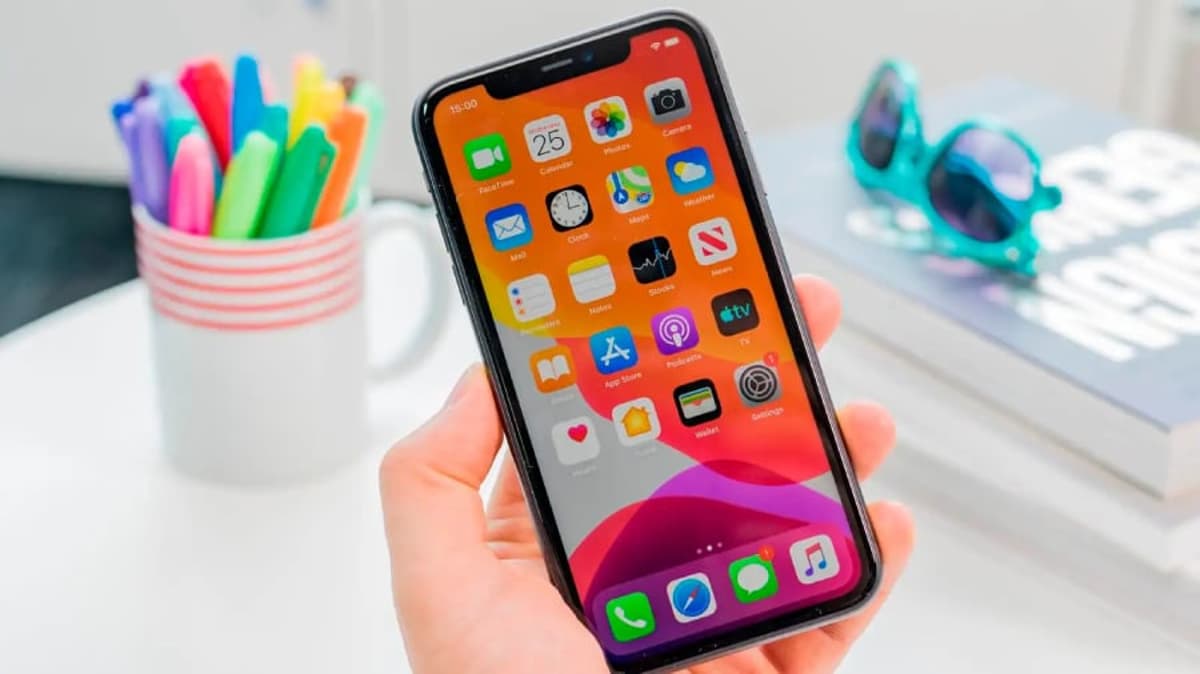
Apple May Drop iOS 27 Support for Four iPhones, Leaving Millions Behind
Companies Mentioned
Why It Matters
Millions of iPhone users could be forced onto an aging OS, affecting security, app compatibility and prompting costly device upgrades, which in turn drives Apple’s hardware sales and service revenue.
Key Takeaways
- •iPhone 11 series may lose iOS 27 support.
- •iPhone SE (2020) also excluded from iOS 27.
- •Affected devices hold roughly 5% of global iPhone market.
- •Users will be limited to iOS 26 features only.
- •Upgrade pressure rises as WWDC 2026 unveils new features.
Pulse Analysis
Apple has long adhered to a six‑to‑seven‑year software support window, moving devices to its ‘Vintage’ list before ending updates. The iPhone 11, 11 Pro, 11 Pro Max and the 2020 iPhone SE are now slated for removal from the iOS 27 rollout, according to leaker Momentary Digital. While these models will continue receiving iOS 26 patches, they will miss the new AI‑driven features and performance enhancements expected at WWDC 2026. This mirrors the 2025 vintage‑list move that already sidelined the iPhone 11 Pro Max. The decision also aligns with Apple’s push to leverage its A‑series chips for advanced machine‑learning workloads that older silicon cannot handle.
The four devices together account for about 5 % of global iPhone shipments, translating into millions of active users. Losing iOS 27 support forces them onto an aging platform, raising concerns over security patches, app compatibility, and resale value. Enterprises that standardize on iOS may need to budget for device refreshes sooner, while individual consumers face the cost of upgrading to a newer iPhone 15 or later model to access Apple Intelligence and other premium features. Historically, Apple’s cutoff has spurred a modest surge in trade‑in volumes.
Additionally, developers may drop support for legacy APIs, further narrowing the app ecosystem for these devices. From a strategic standpoint, trimming support accelerates hardware turnover, bolstering Apple’s revenue from new device sales and services tied to the latest OS. Competitors such as Samsung and Google already push annual OS upgrades, so Apple’s timeline remains competitive, though the abrupt exclusion of popular mid‑range models may draw criticism from cost‑conscious buyers. Analysts will watch whether Apple introduces extended security updates for legacy iPhones, a move that could soften the backlash while preserving the brand’s reputation for long‑term reliability. If Apple opts to offer a limited security‑only branch, it could set a precedent for future vintage support policies.
Apple May Drop iOS 27 Support for Four iPhones, Leaving Millions Behind
Comments
Want to join the conversation?
Loading comments...