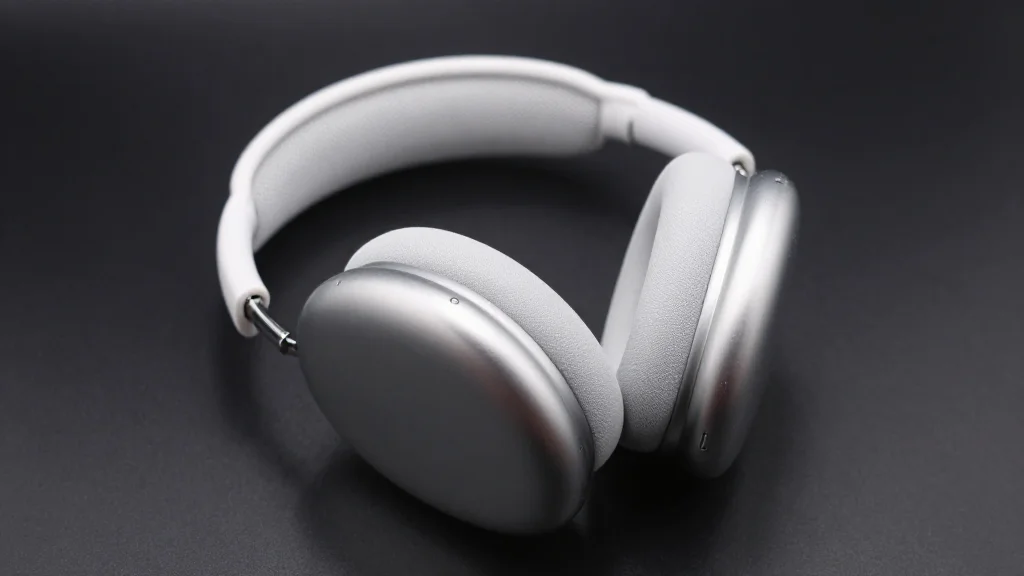
Apple Starts Shipping AirPods Max 2, Refreshing Premium Over‑Ear Headphones

Why It Matters
The AirPods Max 2 re‑establishes Apple in the premium over‑ear headphone market, a segment that has been dominated by Sony, Bose and Bang & Olufsen. By delivering high‑resolution sound and smart features at a sub‑$600 price point, Apple challenges the notion that top‑tier audio requires a $1,000+ budget. The launch also highlights Apple’s ecosystem lock‑in strategy: iOS users gain full feature access, while Android users receive a functional but feature‑light experience. This differentiation could influence purchasing decisions across the broader consumer electronics landscape, prompting competitors to either lower prices or add unique capabilities to stay relevant. Furthermore, the timing—six years after the original Max—signals Apple’s willingness to invest in over‑ear hardware despite the market’s shift toward true‑wireless earbuds. If the Max 2 gains traction, it may encourage other manufacturers to revisit over‑ear designs, potentially reshaping product roadmaps and supply‑chain allocations for premium audio components.
Key Takeaways
- •Apple begins shipping AirPods Max 2, the first new Max generation in six years
- •Retail price set between $450 and $600, undercutting many $1,000‑plus competitors
- •Upgraded H2 chip adds Live Translation, head‑gesture controls and Siri integration
- •Improved ANC and richer bass, but battery life remains at 20 hours
- •Android compatibility works for audio and ANC, but omits Apple Intelligence features
Pulse Analysis
Apple’s decision to refresh the AirPods Max rather than launch an entirely new form factor reflects a calculated risk: leverage an existing premium brand while minimizing R&D costs. The H2 chip integration shows Apple’s intent to converge its over‑ear line with the feature set of its true‑wireless portfolio, effectively turning the Max 2 into a portable smart speaker for the head. This move could attract power users who value the convenience of on‑device translation and gesture controls, especially in professional or travel contexts.
Pricing the Max 2 at $450‑$600 is a strategic sweet spot. It undercuts the $800‑$1,200 price tags of high‑end rivals, making Apple’s over‑ear offering accessible to a broader audience without diluting its premium image. However, the unchanged 20‑hour battery life may become a focal point for critics, especially as competitors push 30‑plus hour runtimes. Apple may need to address this in a future iteration or risk ceding the endurance‑focused segment to brands like Sony.
The partial Android support is a double‑edged sword. On one hand, it expands the potential market beyond iOS loyalists, acknowledging the growing cross‑platform user base. On the other, the feature disparity reinforces Apple’s ecosystem lock‑in, potentially alienating Android users who might otherwise consider the Max 2 for its sound quality. This could spur Android OEMs to double down on their own premium audio solutions, intensifying competition.
Overall, the AirPods Max 2 launch is a litmus test for Apple’s over‑ear strategy. Strong sales could validate the company’s belief that premium audio still commands a dedicated market, prompting further investments in over‑ear hardware and possibly new form factors. Weak performance, however, would likely accelerate Apple’s focus on true‑wireless earbuds, where growth remains robust. The next quarter’s shipment figures will be a key indicator of which path the company will prioritize.
Apple Starts Shipping AirPods Max 2, Refreshing Premium Over‑Ear Headphones
Comments
Want to join the conversation?
Loading comments...