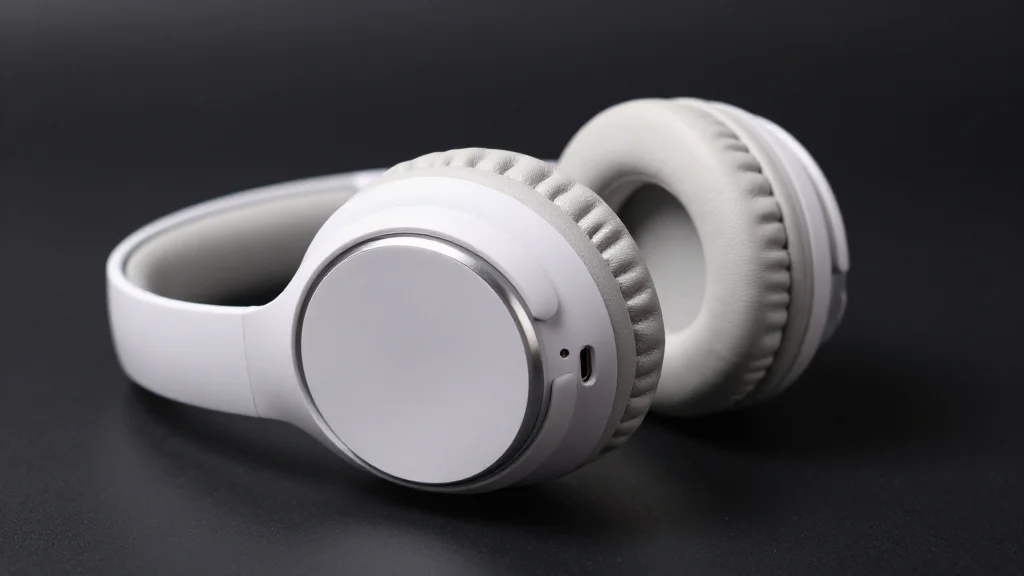
Apple Unveils AirPods Max 2 with USB‑C Port and Minor Acoustic Tweaks

Why It Matters
The AirPods Max 2 illustrate how regulatory pressure can drive hardware changes that are more about compliance than innovation. By swapping Lightning for USB‑C, Apple avoids legal penalties and streamlines its accessory ecosystem, but the unchanged design and sound profile risk alienating premium‑audio consumers who expect tangible upgrades. The launch also signals to competitors that Apple is willing to make incremental tweaks rather than overhaul its flagship headphones, potentially opening space for rivals to differentiate on weight, battery life, or ANC performance. For the broader hardware sector, the case highlights a growing tension between meeting mandated standards and delivering consumer‑driven value. Companies that can bundle regulatory compliance with meaningful product enhancements may capture market share, while those that rely on minimal changes could see their premium offerings lose relevance.
Key Takeaways
- •Apple introduced AirPods Max 2 with a USB‑C port, replacing Lightning to meet EU regulations.
- •The new model adds an H2 audio chip, marketed as delivering "elevated sound quality," but tests show no audible difference from the 2020 version.
- •Design, weight (386 g), battery life (20 hrs), and price ($549) remain unchanged from the original.
- •Color options stay the same—Midnight, Starlight, Blue, Purple, Orange—with no new finishes added.
- •Competitors like Sony and Bose offer lighter frames and newer ANC features at similar price points.
Pulse Analysis
Apple’s decision to refresh the AirPods Max with only a USB‑C port and a new chip reflects a strategic calculus that balances regulatory compliance with brand continuity. The company avoids the costly redesign of its premium over‑ear line while still ticking the box for the EU’s universal charger rule. However, the lack of substantive acoustic or ergonomic improvements may erode the perceived value of Apple’s high‑end audio portfolio, especially as rivals push the envelope on active‑noise‑cancellation and weight reduction.
Historically, Apple has used incremental updates to extend the life cycle of its flagship products—think of the iPhone SE or the MacBook Air refreshes. In the headphone market, this approach is riskier because audiophiles and professional users are highly sensitive to sound quality and comfort. By delivering a product that sounds and feels identical to its predecessor, Apple risks being labeled as a “connector‑only” upgrade, a perception that could drive price‑sensitive buyers toward Sony’s WH‑1000XM series or Bose’s QuietComfort line, both of which have introduced tangible improvements in recent years.
Looking ahead, the AirPods Max 2 may serve as a transitional model that keeps Apple’s premium headphone line on the shelves while the company evaluates a more radical redesign—perhaps a lighter frame, a new ANC architecture, or a shift to a fully modular accessory ecosystem. If Apple can pair the mandated USB‑C standard with a breakthrough in audio performance or ergonomics in a future iteration, it could reassert its dominance in the high‑end segment. Until then, the market will watch closely how consumers respond to a product that is, in essence, the same as the one launched six years ago.
Apple Unveils AirPods Max 2 with USB‑C Port and Minor Acoustic Tweaks
Comments
Want to join the conversation?
Loading comments...