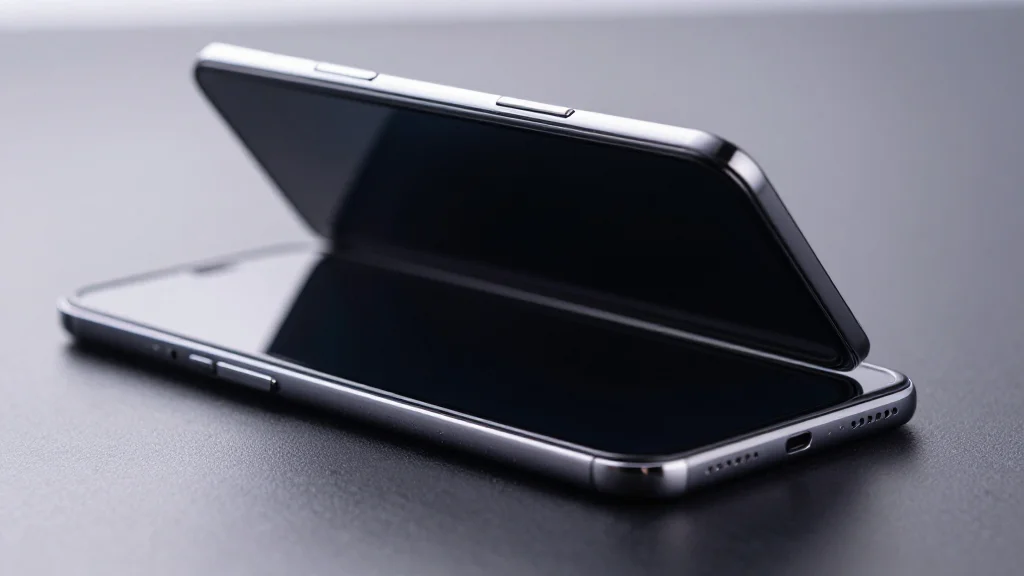
Apple’s First Foldable iPhone Rumors Hint at $2,000‑$2,500 Ultra‑Premium Launch

Companies Mentioned
Why It Matters
Apple’s entry into foldables could redefine the premium smartphone segment. By pricing the iPhone Fold above $2,000, Apple signals confidence that its brand cachet can justify a higher cost of entry than Samsung’s $1,999 Z Fold 8, potentially raising the average selling price across the high‑end market. The device also tests Apple’s supply‑chain agility; achieving a crease‑free hinge and glass panel will require new manufacturing processes that could spill over into other product lines. If Apple successfully launches a foldable that blends its hallmark design with a robust ecosystem, it may force Android OEMs to accelerate innovation, tighten pricing, or differentiate through features like stylus support. Conversely, a delayed or overpriced launch could reinforce Samsung’s dominance and cement the perception that Apple is a late‑comer to the foldable space, limiting the device’s market share. The naming debate—iPhone Fold versus iPhone Ultra—highlights Apple’s strategic focus on branding. An “Ultra” label aligns the phone with the iPhone 14 Ultra and iPhone 15 Ultra naming conventions, positioning the device as the apex of Apple’s lineup rather than a niche experiment. This could attract power users willing to pay a premium for the perceived status and integration benefits.
Key Takeaways
- •Apple’s first foldable, rumored as iPhone Fold or iPhone Ultra, may launch in September 2026.
- •Projected price range: $2,000‑$2,500, with storage options from 256 GB ($2,320) to 1 TB ($2,900).
- •Design features include a 5.5‑inch outer screen, 7.8‑inch inner display, liquid‑metal hinge and crease‑free glass.
- •Samsung Galaxy Z Fold 8 expected at $1,999, with a 6.5‑inch cover and 8‑inch main screen, possibly adding S Pen support.
- •Potential rebranding to "iPhone Ultra" aims to emphasize premium positioning and differentiate from generic foldable names.
Pulse Analysis
Apple’s foldable ambition marks a strategic pivot from incremental upgrades to a category‑defining product. Historically, Apple has entered new hardware segments—like wearables with the Apple Watch or tablets with the iPad—by first establishing a clear value proposition that leverages its ecosystem. The iPhone Fold could follow that playbook, using iOS continuity, FaceTime, and the App Store to make the foldable experience feel indispensable rather than a novelty.
From a market dynamics perspective, Samsung’s Z Fold line has set the performance bar but also carries a reputation for durability concerns and high price volatility. Apple’s rumored liquid‑metal hinge and crease‑free glass aim to address those pain points, potentially shifting consumer perception of foldables from a gimmick to a premium, reliable device. If Apple can deliver on those engineering promises, it may force Samsung to double down on differentiation—perhaps through more aggressive pricing, enhanced multitasking features, or deeper integration with its own ecosystem (e.g., Samsung DeX).
Financially, the $2,000‑$2,500 price tag could lift Apple’s average selling price (ASP) at a time when the iPhone 18 series is expected to see modest ASP growth. However, the high entry cost also narrows the addressable market to affluent early adopters, limiting volume upside. The success of the iPhone Fold will hinge on whether Apple can convince premium buyers that the added screen real estate and multitasking capabilities justify the premium, especially when comparable Android foldables already exist. In the short term, the device will likely serve as a halo product that reinforces Apple’s image as an innovator, while its long‑term impact will depend on production yields, durability, and the ability to iterate quickly in subsequent generations.
Apple’s First Foldable iPhone Rumors Hint at $2,000‑$2,500 Ultra‑Premium Launch
Comments
Want to join the conversation?
Loading comments...