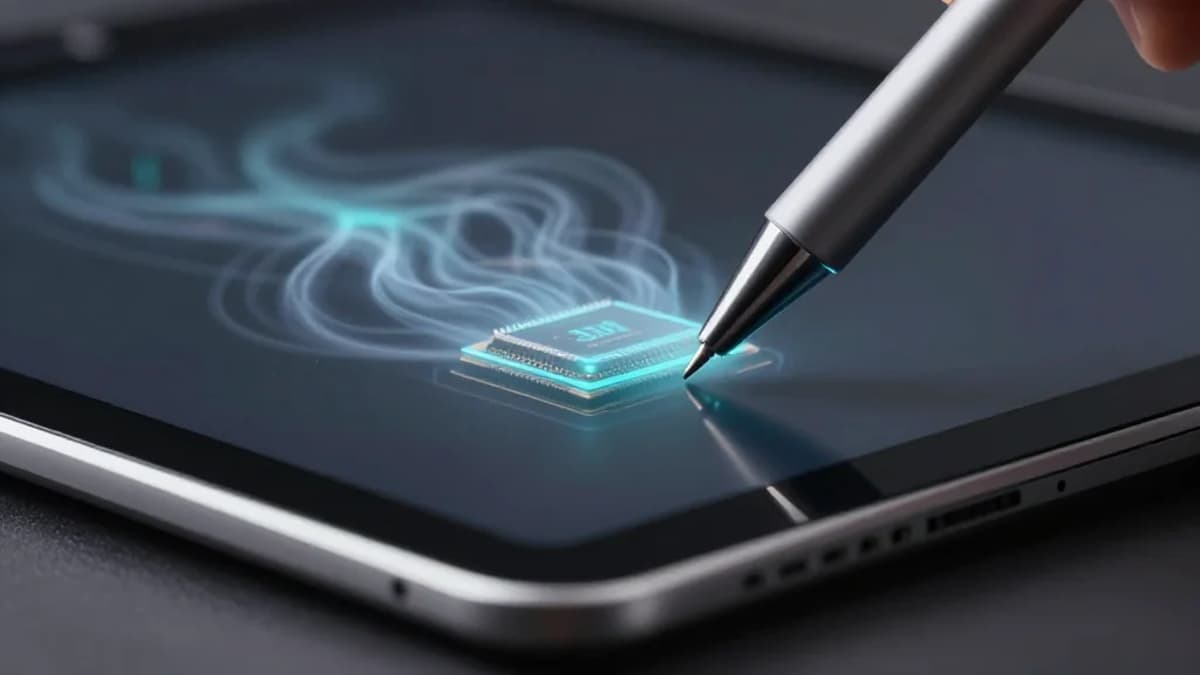
Arch Platform Technologies, Wacom Integrate Wacom Bridge For Virtual Workflows’
•February 24, 2026
0
Companies Mentioned


Why It Matters
It removes latency barriers for remote creatives, expanding the appeal of cloud‑based workstations and strengthening the remote‑first creative market.
Key Takeaways
- •Wacom Bridge now runs on Arch’s cloud GPU workstations
- •Full driver support delivers low‑latency pen input remotely
- •Supports Windows Server, Windows Client, and macOS clients
- •Free trial includes Amazon DCV license and Arch subscription
- •Enhances remote team collaboration and workflow efficiency
Pulse Analysis
The shift toward remote‑first creative teams has accelerated demand for cloud‑based GPU workstations that can match the tactile precision of on‑premise hardware. Traditional virtual desktop solutions often struggle with pen‑tablet latency, forcing artists to compromise on responsiveness or revert to local machines. By marrying Arch Platform’s scalable, high‑performance infrastructure with Wacom’s industry‑standard pen technology, the partnership directly addresses this pain point, delivering a near‑native drawing experience across any network distance.
Wacom Bridge acts as a thin‑layer driver translation service, preserving full device capabilities—including pressure sensitivity, tilt, and customizable shortcuts—while routing input through Arch’s Amazon DCV‑powered streaming stack. The solution’s cross‑OS compatibility (Windows Server, Windows Client, macOS) and support for roaming profiles mean studios can provision a single, centrally managed environment that follows artists wherever they log in. This reduces IT overhead, shortens onboarding, and ensures consistent settings across multiple workstations, a critical factor for collaborative projects spanning continents.
From a market perspective, the integration positions both Arch and Wacom to capture a growing segment of the creative cloud services market, where enterprises seek to balance cost efficiency with high‑fidelity performance. Competitors will need to match the low‑latency, full‑driver support model to stay relevant, while smaller studios gain a cost‑effective pathway to leverage enterprise‑grade GPU resources without sacrificing the tactile feel of their preferred hardware. As remote collaboration becomes the norm, such seamless hardware‑software convergence will likely become a baseline expectation for creative professionals.
Arch Platform Technologies, Wacom Integrate Wacom Bridge For Virtual Workflows’
0
Comments
Want to join the conversation?
Loading comments...