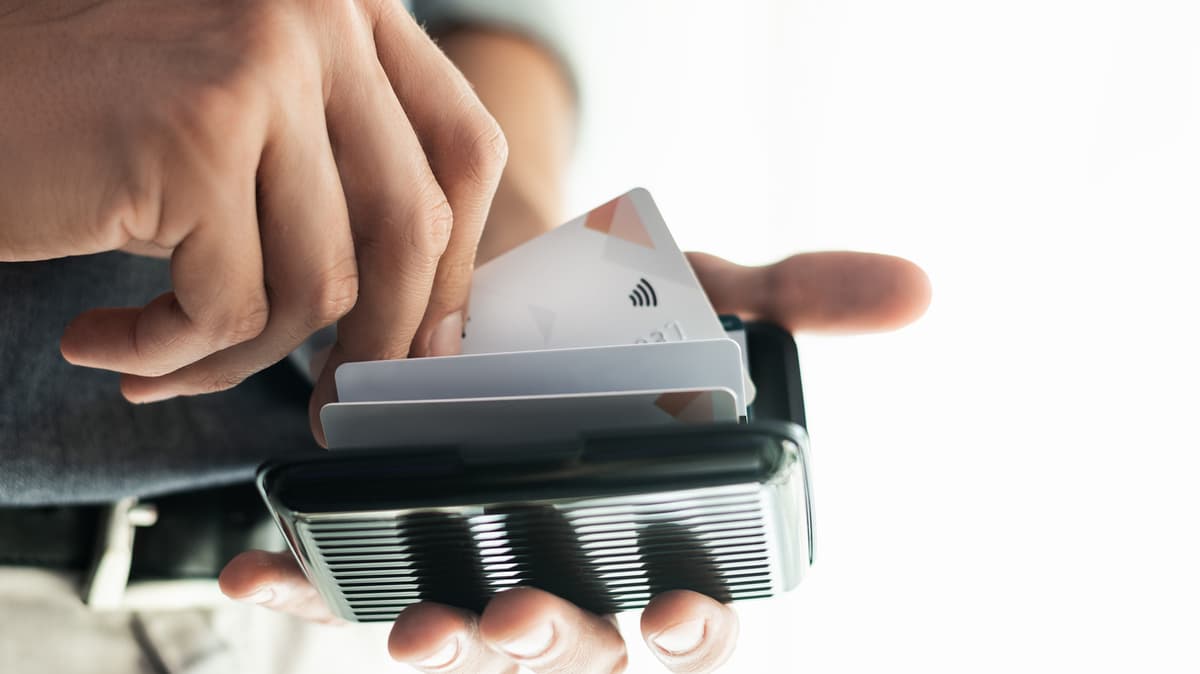
Are RFID-Blocking Wallets Still Needed Or Useful In 2026?
Companies Mentioned
Why It Matters
Understanding the limited threat of RFID skimming helps consumers avoid unnecessary spending and guides retailers on product relevance, while emphasizing more effective fraud‑prevention strategies.
Key Takeaways
- •RFID skimming incidents remain statistically rare in 2026
- •Contactless cards use encryption and tokenization, limiting data exposure
- •RFID‑blocking wallets add cost but offer minimal practical protection
- •Consumers can rely on phone wallets and transaction limits for security
Pulse Analysis
Near‑field communication (NFC) has become the backbone of modern payments, allowing users to tap a card or smartphone for instant transactions. Behind the convenience lies a suite of security protocols: contactless cards encrypt data during each exchange and employ tokenization, which replaces the actual PAN with a one‑time identifier. These layers dramatically reduce the value of any intercepted signal, making the theoretical risk of RFID skimming far less attractive to cybercriminals than phishing or credential stuffing.
Industry data from major card networks shows that RFID‑based fraud accounts for a fraction of total reported incidents, with most losses stemming from social‑engineering attacks. This reality has tempered demand for RFID‑blocking wallets, a niche product that once promised a physical shield of copper or aluminum. While the wallets function as advertised—blocking electromagnetic fields—they add a premium price without delivering measurable protection. Retailers and manufacturers are therefore re‑evaluating inventory, shifting focus toward accessories that enhance digital security, such as biometric‑enabled phone cases or secure card sleeves that complement tokenization.
For consumers, the practical takeaway is to prioritize active security controls over passive shielding. Enabling transaction limits on contactless payments, using mobile wallets that store tokenized credentials, and monitoring account activity remain the most effective defenses. As contactless adoption continues to rise, the industry is likely to invest further in backend encryption and real‑time fraud detection, rendering RFID‑blocking accessories increasingly redundant. In short, the smart approach in 2026 is to leverage built‑in card security features and digital tools rather than spending extra on a wallet that offers marginal benefit.
Are RFID-Blocking Wallets Still Needed Or Useful In 2026?
Comments
Want to join the conversation?
Loading comments...