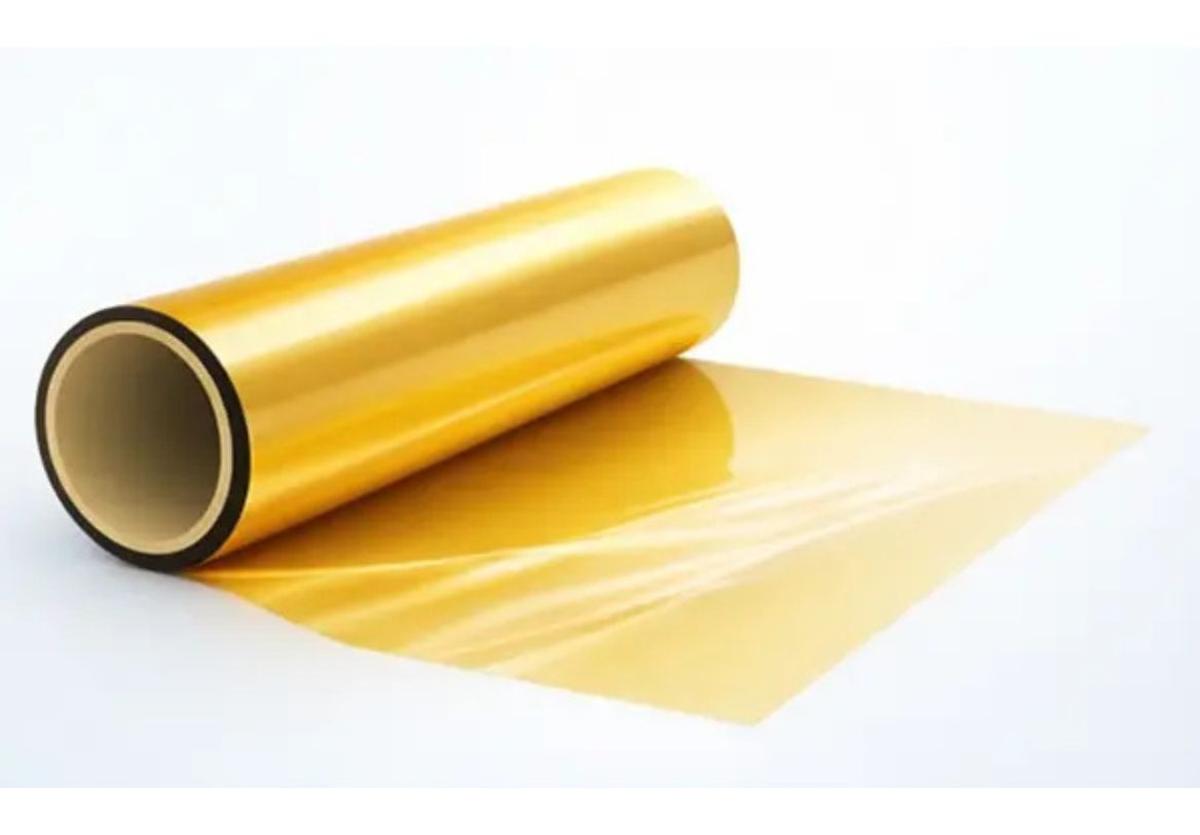
Asahi Kasei Unveils New Photosensitive Polyimide Film for AI Chip Packaging
Companies Mentioned
Why It Matters
The film promises to boost yield and productivity in advanced AI semiconductor packaging, a critical bottleneck as chip performance scales. Faster, more reliable panel‑level processes give manufacturers a competitive edge in the high‑growth AI market.
Key Takeaways
- •New PSPI film merges photosensitive polyimide and dry film photoresist
- •Enables uniform lamination on large square panels for AI chips
- •Improves yield and productivity in advanced semiconductor packaging
- •Supports high‑aspect‑ratio copper pillars for 3D packaging
- •Currently under customer evaluation; commercial launch expected soon
Pulse Analysis
The surge in AI workloads is driving semiconductor vendors to push chip performance beyond traditional limits, which in turn pressures packaging technologies to handle larger die sizes and tighter tolerances. Panel‑level packaging, where multiple dies are assembled on a single substrate, offers a path to higher integration density, but it demands materials that can be applied uniformly over expansive areas without compromising electrical characteristics.
Asahi Kasei’s new photosensitive polyimide (PSPI) film tackles this challenge by fusing its PIMEL liquid PSPI expertise with SUNFORT dry film photoresist capabilities. The resulting hybrid film can be laminated in a single, consistent step, forming both fine circuit patterns and insulating layers simultaneously. By eliminating separate coating and patterning stages, manufacturers can reduce cycle time, lower defect risk, and achieve finer line widths essential for AI‑grade interconnects. The material also pairs with SUNFORT TA series for standard laminations and the CX series to create high‑aspect‑ratio copper pillars, a key element in 3D stacking.
The commercial rollout of this film could reshape the competitive landscape for advanced packaging suppliers. Companies that adopt the technology stand to gain higher yields and faster time‑to‑market, crucial advantages as AI chip demand accelerates. Moreover, Asahi Kasei’s move signals a broader industry shift toward integrated material solutions that streamline complex lithography steps. If the early customer trials confirm the promised productivity gains, the PSPI film may become a de‑facto standard for next‑generation AI semiconductor packaging, reinforcing Asahi Kasei’s position as a materials innovator.
Asahi Kasei unveils new photosensitive polyimide film for AI chip packaging
Comments
Want to join the conversation?
Loading comments...