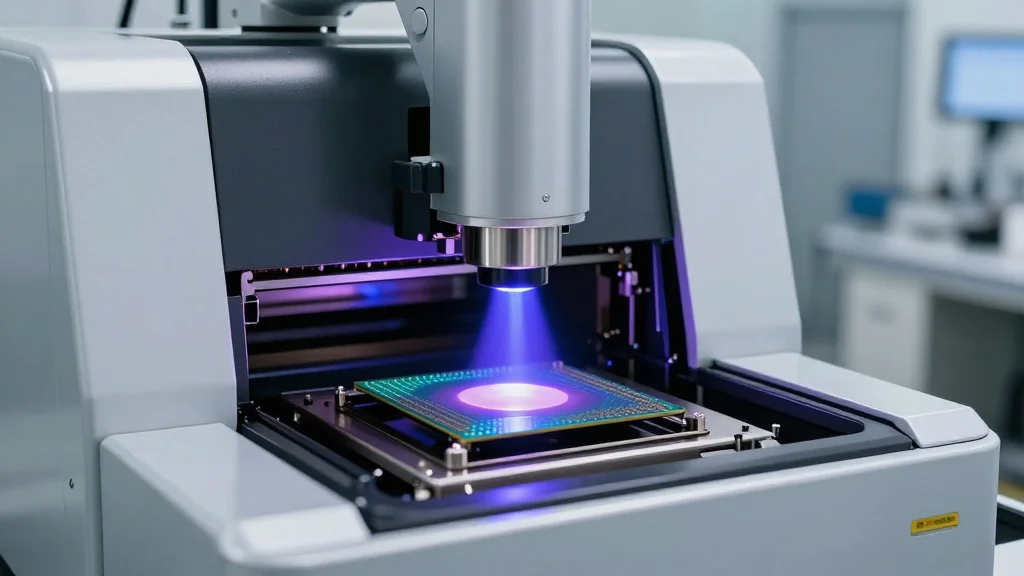
ASML Shares Slide 3% as AI Demand Doubts Spark EUV Equipment Volatility

Companies Mentioned


Why It Matters
ASML’s EUV machines are the linchpin of the semiconductor ecosystem; any shift in demand reverberates through every tier of the chip supply chain. A slowdown in AI‑driven spending not only threatens ASML’s near‑term revenue but also raises questions about the timing of next‑generation node rollouts that depend on EUV lithography. Moreover, the helium supply crunch exposes a hidden systemic risk that could delay equipment deliveries, amplifying the impact of demand volatility. For investors, the episode underscores the importance of monitoring macro‑level AI adoption trends and niche commodity markets that underpin high‑tech manufacturing. A sustained dip in AI capital expenditure could force chipmakers to defer fab expansions, reducing orders for the $200‑$350 million EUV tools that drive ASML’s profitability. Conversely, a quick resolution of the helium shortage would mitigate one of the few remaining supply‑chain chokepoints, reinforcing confidence in the sector’s growth trajectory.
Key Takeaways
- •ASML shares fell 3.3% after OpenAI missed user and revenue targets, sparking AI demand concerns.
- •EUV lithography machines cost $200 million to $350 million each, making demand swings highly material.
- •Helium shortage from Qatar’s Ras Laffan plant threatens EUV tool production and wafer cooling.
- •ASML’s order backlog remains tied to AI, IoT, autonomous vehicles and quantum computing megatrends.
- •On‑site helium recovery can reclaim 90‑95% of gas, but leak‑detection helium remains unrecoverable.
Pulse Analysis
The ASML sell‑off illustrates a classic case of sector‑wide contagion: a single AI‑company earnings miss rippled through the entire semiconductor supply chain. While the stock’s 3% dip may appear modest, it reflects a market recalibration of the assumed elasticity of AI‑driven chip demand. Historically, AI hype has driven aggressive fab spending, but the recent slowdown suggests that chipmakers are now more cautious about over‑building capacity that could become stranded if AI budgets tighten.
From a strategic perspective, ASML’s monopoly on EUV lithography gives it pricing power, yet it also makes the company a single point of failure for the industry’s most advanced nodes. The helium supply issue compounds this vulnerability, creating a two‑pronged risk: demand volatility on the customer side and material scarcity on the production side. Companies that can secure helium recycling infrastructure—Linde, Air Products and L'Air Liquide—stand to benefit, while chipmakers may diversify away from EUV‑intensive designs if supply constraints persist.
Looking forward, the decisive factor will be whether AI spending rebounds once OpenAI resolves its growth challenges and whether the helium market stabilizes. If both variables improve, ASML could quickly regain its upward trajectory, leveraging its $350 million High‑NA machines to capture the next wave of sub‑3‑nm chips. If not, the company may face a prolonged period of order deferrals, pressuring its revenue forecasts and prompting investors to reassess the valuation premium built into its monopoly position.
ASML shares slide 3% as AI demand doubts spark EUV equipment volatility
Comments
Want to join the conversation?
Loading comments...