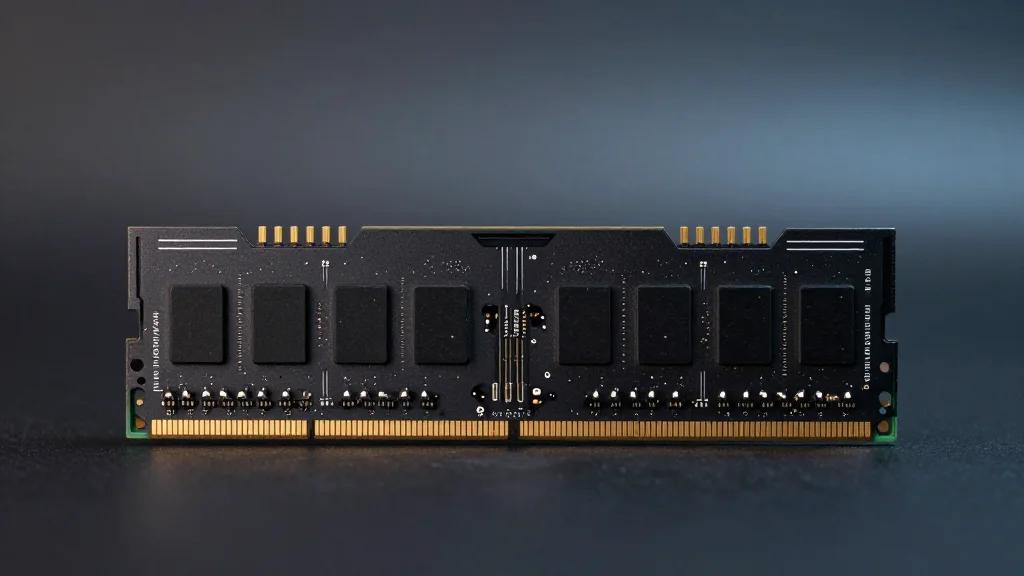
Asrock's New HUDIMM Standard Wants to Make DDR5 Affordable Again, by Cutting It in Half
Why It Matters
HUDIMM offers a lower‑cost DDR5 alternative, helping to stabilize a market distorted by enterprise demand and keeping affordable PCs viable. Its adoption could reshape OEM memory strategies and pricing dynamics.
Key Takeaways
- •HUDIMM halves DDR5 sub‑channel to a single 32‑bit lane
- •Reduces bandwidth and capacity, lowering module price significantly
- •Intel supports HUDIMM on 600, 700, 800 chipset motherboards
- •Mixed 8 GB HUDIMM + 16 GB DDR5 beats 24 GB DDR5 bandwidth
- •HSODIMM variant brings HUDIMM to affordable laptops and mini‑PCs
Pulse Analysis
The surge in AI workloads and data‑center expansion has driven DRAM prices to historic highs, leaving consumer‑grade DDR5 out of reach for many builders. Traditional DDR5 modules rely on a dual 32‑bit sub‑channel design that maximizes bandwidth but also inflates silicon and packaging costs. By stripping the architecture down to a single 32‑bit lane, ASRock’s HUDIMM reduces the number of chips per stick, delivering a cheaper product at the expense of raw performance—a trade‑off that aligns with current market realities where cost outweighs peak speed.
Technically, HUDIMM’s single‑channel layout cuts theoretical bandwidth roughly in half, and memory density per module drops accordingly. To mitigate these drawbacks, ASRock highlights mixed‑module configurations, such as pairing an 8 GB HUDIMM with a standard 16 GB DDR5 stick, which can outperform a solitary 24 GB DDR5 module in certain benchmarks. Intel’s early endorsement, extending support across its 600, 700 and 800 chipset families, signals confidence that the standard can coexist with existing platforms. Additionally, the HSODIMM variant expands HUDIMM’s reach into laptops and mini‑PCs, sectors where price sensitivity mirrors that of desktop enthusiasts.
If HUDIMM gains traction, it could introduce a new pricing tier within the DDR5 ecosystem, offering OEMs a viable path to produce cost‑effective systems without abandoning the DDR5 platform entirely. This may ease supply‑chain pressure by diversifying demand away from high‑end modules, potentially stabilizing prices for both consumers and manufacturers. However, the success of HUDIMM will hinge on how quickly system integrators and end users accept the performance compromise in exchange for affordability, a balance that will shape the next wave of mainstream PC design.
Asrock's new HUDIMM standard wants to make DDR5 affordable again, by cutting it in half
Comments
Want to join the conversation?
Loading comments...