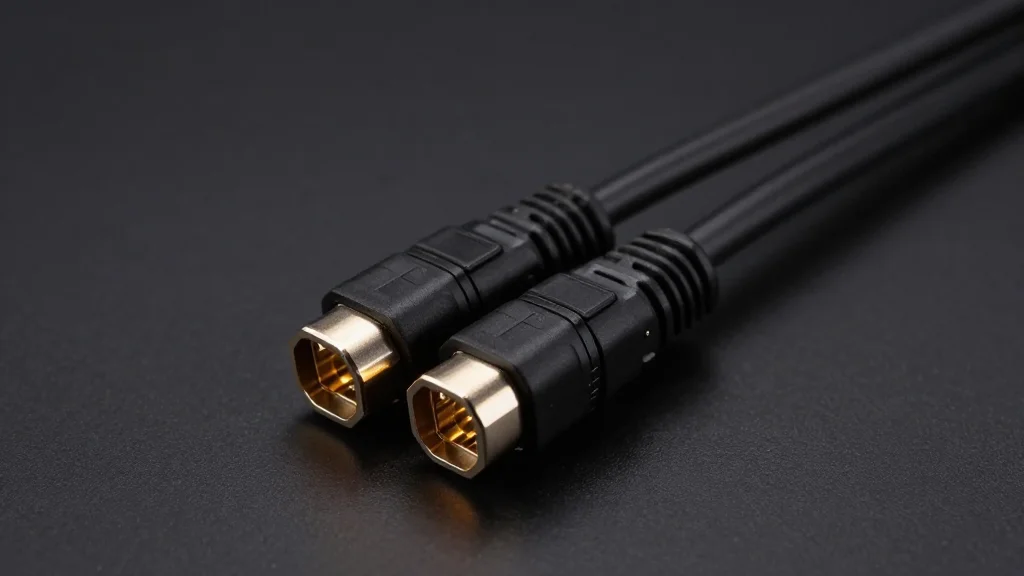
Asus Launches ROG Equalizer Cable to Stop RTX 5090 Power‑connector Melting

Companies Mentioned

Why It Matters
The ROG Equalizer addresses a safety flaw that has cost consumers thousands of dollars in damaged GPUs and power supplies. By delivering balanced current and tolerating higher amperage, the cable could become the industry benchmark for 12V‑2x6 connections, prompting PSU manufacturers to redesign their cables for higher current capacity. A reliable solution also removes a psychological barrier for buyers considering ultra‑high‑end graphics cards, potentially expanding the market for 600 W‑class GPUs. Beyond immediate safety, the cable signals a shift toward more robust power‑delivery standards in the PC ecosystem. As GPUs continue to push past the 600 W ceiling, manufacturers will need to rethink connector design, thermal management, and firmware monitoring. Asus' proactive approach may accelerate the adoption of higher‑amp cables and integrated monitoring tools, influencing future PCIe 5.0 power specifications and reducing the frequency of hardware failures that currently plague enthusiasts.
Key Takeaways
- •ROG Equalizer cable rated for 17 A, double the standard 9.2 A limit
- •Designed to keep RTX 5090 connectors below 80 °C even when mis‑seated
- •Compatible with any ATX 3.1 PSU featuring a native 12V‑2x6 socket
- •Bundled free with Asus ROG Thor III and ROG Strix Platinum PSUs
- •Price not disclosed; expected to be available later this quarter
Pulse Analysis
Asus' decision to launch a high‑amp power cable reflects a broader industry realization: raw wattage alone is no longer enough; safe delivery matters just as much. The RTX 5090’s 600 W draw pushes the limits of the 12VHPWR ecosystem, exposing design weaknesses in both connectors and cables. By engineering a cable that can handle 17 A per pin, Asus not only solves a specific melting problem but also forces the supply chain to acknowledge that future GPUs will demand even higher current margins. This could spur the PCI‑SIG to tighten ATX 3.1 specifications, mandating thicker conductors or new pin geometries to prevent similar failures.
Competitors are likely to follow suit. MSI and ASRock already offer proprietary monitoring solutions, but none have released a cable with comparable amperage. If third‑party testing validates Asus' temperature claims, the ROG Equalizer could become the de‑facto reference for high‑power builds, compelling PSU makers to certify their cables for 17 A or risk being labeled “incompatible with RTX 5090‑class GPUs.” Such a shift would benefit end users—fewer melted connectors mean lower warranty costs and higher confidence in premium hardware—but it also raises the bar for component manufacturers, potentially increasing BOM costs.
From a market perspective, the cable could revive demand for top‑tier GPUs that have been stalled by safety concerns. Enthusiasts who hesitated to buy an RTX 5090 due to the melting risk may now feel reassured, translating into higher sales volumes for Nvidia and its board partners. At the same time, Asus leverages the cable as a value‑add for its own ROG Thor and Strix power supplies, reinforcing its ecosystem lock‑in strategy. In the long run, we may see a new class of “safety‑first” accessories—cables, monitoring software, and PSU firmware—becoming standard fare in high‑performance PC builds.
Asus launches ROG Equalizer cable to stop RTX 5090 power‑connector melting
Comments
Want to join the conversation?
Loading comments...