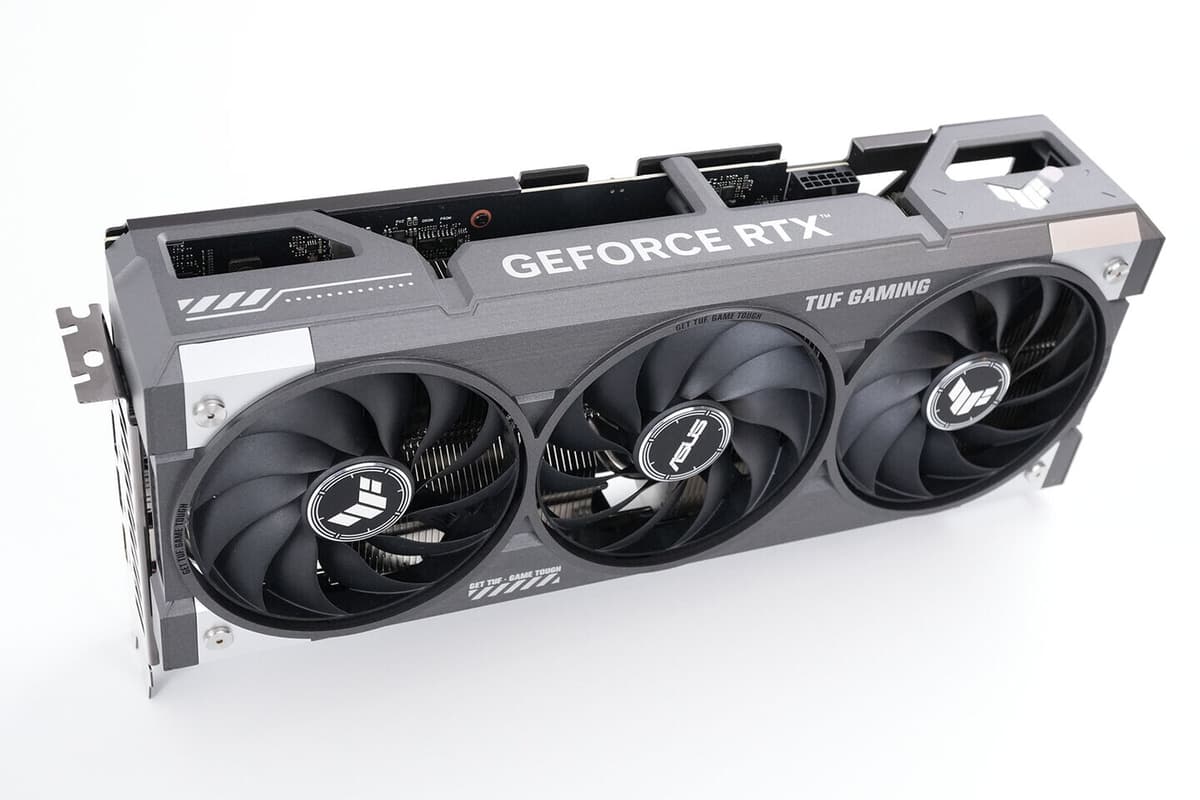
ASUS Raises GeForce RTX 50 Series "Blackwell" Pricing in China, Radeon Pricing Unchanged
•March 4, 2026
0
Key Takeaways
- •ASUS hikes RTX 50 prices in China
- •RTX 5090 D v2 up 500 yuan (~$72)
- •Lower-end RTX 5080‑5060 Ti rise $14‑45
- •GT 1030/710 also see modest increases
- •AMD Radeon prices stay flat due to GDDR6 supply
Summary
ASUS announced price adjustments for its GeForce RTX 50 Series "Blackwell" GPUs in China, reflecting a broader memory component shortage. The flagship RTX 5090 D v2 sees a 500‑yuan (~$72) increase, while mid‑range models like the RTX 5080, 5070 Ti, 5070, and 5060 Ti rise between $14 and $45. Even entry‑level GT 1030 and GT 710 cards are seeing modest hikes. In contrast, AMD’s Radeon RX 9000/7000 series prices remain unchanged, benefitting from better GDDR6 supply and a completed price‑increase cycle.
Pulse Analysis
The global semiconductor shortage has hit the graphics‑card sector hard, with GDDR7 memory—required for Nvidia’s new Blackwell GPUs—among the scarcest components. In China, where price sensitivity is high, ASUS responded by raising the cost of its RTX 50 series, passing the extra memory expense onto consumers. The most noticeable jump is on the RTX 5090 D v2, which now costs an additional 500 yuan, while lower‑tier models see smaller but still significant increases.
AMD’s Radeon lineup tells a different story. Radeon RX 9000 and 7000 series cards rely on GDDR6, a memory type that has not suffered the same supply constraints as GDDR7. Consequently, AMD can keep its Chinese pricing steady, avoiding the inflationary pressure that Nvidia faces. This divergence highlights how component sourcing decisions directly influence regional pricing strategies and may shift market dynamics, especially among cost‑conscious gamers and system integrators.
For Chinese consumers and PC builders, the price hikes could delay upgrades or push them toward AMD alternatives, potentially reshaping market share in the high‑performance segment. Manufacturers may also explore inventory buffering or alternative memory suppliers to mitigate future volatility. Observers will watch whether Nvidia’s pricing adjustments trigger broader price corrections across the industry or if the memory bottleneck persists, keeping premium GPU costs elevated for the foreseeable future.
Comments
Want to join the conversation?