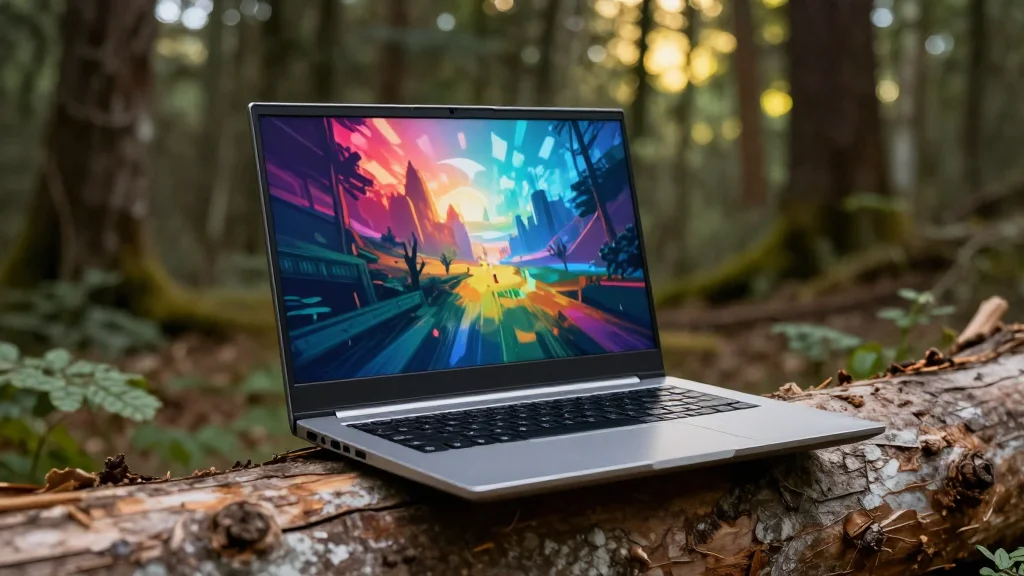
Asus TUF Gaming A14 (2026) Review: GPU-Less Gaming Laptop
Why It Matters
The device tests whether high‑end integrated graphics can replace discrete GPUs in portable gaming, a shift that could reshape laptop design and pricing if performance catches up. Its premium price versus lower‑performing specs highlights the current cost‑performance gap for GPU‑less gaming laptops.
Key Takeaways
- •AMD Max+ 392 chip delivers up to 71 fps at 1200p medium.
- •14‑inch display offers 2560×1600 resolution and 165 Hz refresh.
- •Battery lasts ~10 hours video, ~5 hours mixed use.
- •Price $2,100 makes it less competitive than RTX 5060 models.
- •Ports include USB‑A, USB‑C, HDMI 2.1, USB4, micro‑SD slot.
Pulse Analysis
The Asus TUF Gaming A14 marks a bold experiment in the laptop market by discarding a traditional discrete GPU in favor of AMD’s new Max+ 392 silicon. This APU combines a high‑performance Zen 4 CPU with a Vega‑derived graphics engine that rivals entry‑level dedicated cards, delivering up to 71 fps in titles like Cyberpunk 2077 at 1200p medium settings. By leveraging a single chip, the device cuts power draw, reduces heat, and enables a slimmer chassis comparable to premium ultrabooks, a shift that could reshape expectations for portable gaming hardware.
In real‑world testing the A14’s integrated graphics fall short of the RTX 5060 variant that Asus offered a year earlier, which still outperforms the Max+ model in both frame rates and visual fidelity. At a street price of roughly $2,100, the Max+‑powered laptop is $400 more expensive than comparable discrete‑GPU laptops that deliver higher fps and often include premium features such as OLED panels and aluminum bodies. The trade‑off is modest battery life—about ten hours of video playback—and quieter operation, but most gamers will likely opt for the better‑performing RTX‑based alternatives.
The A14’s approach underscores a growing confidence in high‑end APUs to handle mainstream gaming workloads, a trend that could pressure manufacturers to rethink the cost‑benefit balance of discrete GPUs in thin‑and‑light laptops. For enterprise buyers and students, the combination of a high‑resolution 2560×1600 panel, ample ports—including USB4 and HDMI 2.1—and extended battery life makes the device an attractive hybrid for work and play. However, until integrated graphics can consistently match or exceed dedicated solutions at comparable price points, the market will likely view GPU‑less gaming laptops as niche rather than mainstream.
Asus TUF Gaming A14 (2026) Review: GPU-Less Gaming Laptop
Comments
Want to join the conversation?
Loading comments...