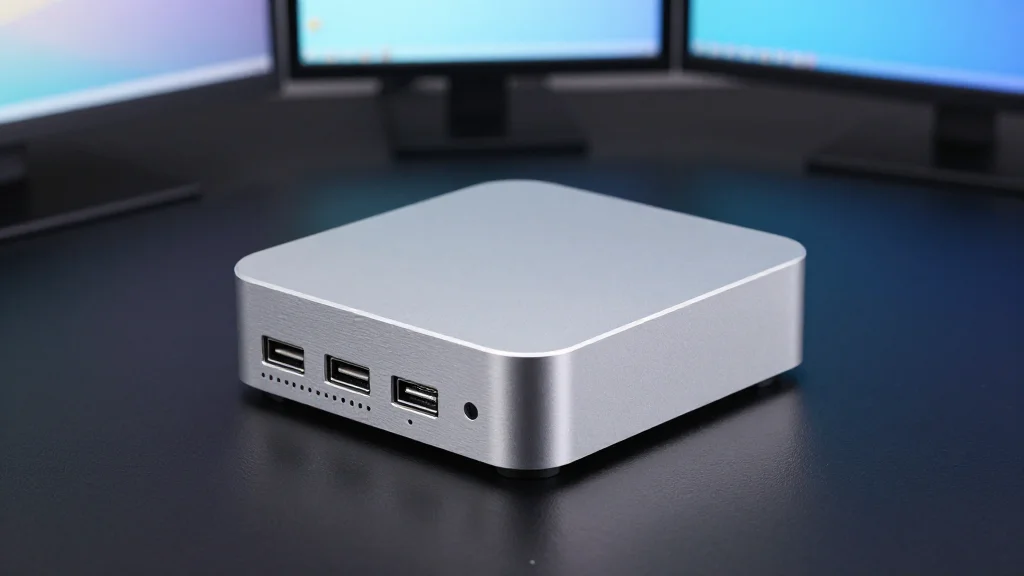
Asus Unveils Snapdragon‑Powered Ascent QN10 Mini PC, a Potential Mac Mini M4 Rival

Why It Matters
The Ascent QN10 illustrates a pivotal shift toward ARM processors in the desktop segment, a space traditionally dominated by x86 chips. By pairing Qualcomm’s Snapdragon X2 Elite with a compact Windows platform, Asus offers a potential alternative to Intel‑ and AMD‑based mini PCs, potentially lowering power consumption and heat output while delivering high‑speed connectivity. This could accelerate the migration of enterprise and consumer workloads to ARM, prompting software vendors to prioritize Windows‑on‑ARM compatibility. If the Ascent QN10 proves competitive against Apple’s Mac mini M4 and existing x86 mini PCs, it may trigger a broader redesign of small‑form‑factor desktops, encouraging manufacturers to adopt ARM silicon for its integration benefits and cost efficiencies. The device also underscores the importance of port diversity—especially USB4 and HDMI 2.1—in future mini PCs, as users demand multi‑monitor setups and fast peripheral connections in ever‑smaller enclosures.
Key Takeaways
- •Asus Ascent QN10 uses Qualcomm Snapdragon X2 Elite, the first ARM‑based Windows mini PC from the brand.
- •Compact 5.1 × 5.1 × 1.5‑inch silver aluminum chassis, smaller than many NUC models.
- •Dual front USB4 ports (40 Gbps, DP 1.4, Power Delivery) plus rear USB4, HDMI 2.1, 2.5 Gb Ethernet.
- •Supports up to four 4K displays and features a PCIe Gen 5 SSD with dedicated cooling.
- •Non‑upgradeable RAM; dual M.2 slots allow up to 4 TB total storage.
Pulse Analysis
Asus’s decision to launch a Snapdragon‑powered mini PC reflects a strategic bet that ARM’s efficiency and integrated features can meet the performance thresholds of desktop users. Historically, ARM’s foothold has been strongest in mobile and low‑power server environments; the Ascent QN10 pushes the envelope by targeting power users who need multiple 4K outputs and high‑speed I/O. This mirrors Qualcomm’s broader push to expand Snapdragon’s reach beyond smartphones, leveraging its integrated 5G, AI, and graphics capabilities.
The timing is crucial. Apple’s upcoming Mac mini M4, rumored to use a next‑gen Apple Silicon, will set a high bar for performance and energy efficiency. Asus’s offering could carve out a niche for Windows enthusiasts who prefer the flexibility of the Windows ecosystem but want ARM’s benefits. However, the success of the Ascent QN10 hinges on software compatibility. Windows‑on‑ARM still faces gaps in driver support and legacy application performance, which could limit adoption in enterprise settings where x86 compatibility is non‑negotiable.
From a market dynamics perspective, the Ascent QN10 may force Intel and AMD to accelerate their own low‑power roadmap, especially in the small‑form‑factor segment where thermal constraints are tight. If Asus can price the device competitively, it could attract a segment of users seeking a silent, energy‑efficient workstation for content creation, edge computing, or digital signage. The upcoming benchmark data and pricing will be the decisive factors that determine whether this ARM mini PC is a niche curiosity or a catalyst for a broader industry shift.
Asus Unveils Snapdragon‑Powered Ascent QN10 Mini PC, a Potential Mac mini M4 Rival
Comments
Want to join the conversation?
Loading comments...