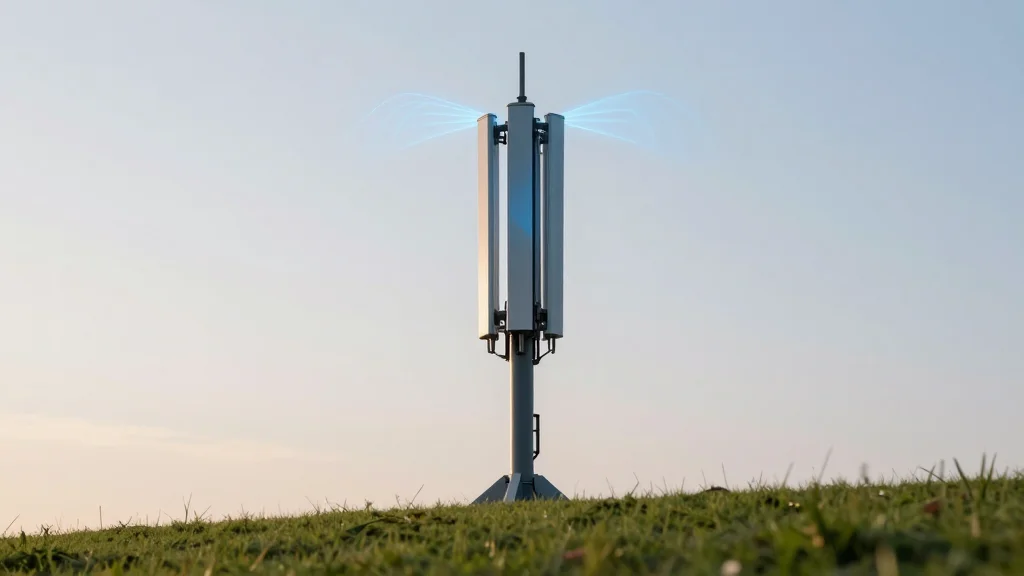
AT&T Scales Cloud RAN as Open RAN Swap Passes 50%
Why It Matters
The move accelerates AT&T’s transition to a cloud‑native, open RAN architecture, boosting capacity and efficiency while reducing dependence on traditional vendors—a critical advantage as data demand and competition intensify.
Key Takeaways
- •AT&T runs 25 live sites on Intel Sapphire Rapids.
- •Granite platform to support full‑stack RAN by 2026‑28.
- •AI link adaptation yields 10% spectrum efficiency boost.
- •Throughput improves 15% with Ericsson deep‑learning scheduler.
- •Open‑RAN swap exceeds 50%, aims 70% traffic by year‑end.
Pulse Analysis
The telecom industry is rapidly embracing cloud‑native, open‑RAN solutions to meet exploding data traffic and to cut long‑standing vendor lock‑ins. AT&T’s recent milestone—25 operational sites on Intel’s Sapphire Rapids—demonstrates that commodity silicon can match traditional RAN performance for TDD traffic, a critical component of 5G. By leveraging Intel’s upcoming Granite platform, the carrier aims to consolidate FDD, TDD, NR and LTE onto a single server design, promising faster feature rollouts and lower capex as the network scales to thousands of sites through 2026‑28.
A standout differentiator in AT&T’s rollout is the integration of Ericsson’s AI‑driven link adaptation. Replacing static, rule‑based schedulers with a deep neural network has already shown about a 10% increase in spectrum efficiency and a 15% boost in per‑user throughput in live trials. These gains translate directly into higher capacity and better user experiences without additional spectrum. Competitors like T‑Mobile are also testing similar AI schedulers, but AT&T’s earlier start—since December 2025—gives it a head‑start in refining the model to its unique network morphology, potentially unlocking further performance upside.
Strategically, crossing the 50% threshold in its open‑RAN swap signals AT&T’s commitment to a vendor‑agnostic ecosystem, targeting 70% of traffic on open platforms by year‑end. This shift not only reduces reliance on legacy Nokia gear but also positions the carrier to negotiate more favorable terms with multiple suppliers, fostering innovation and cost efficiencies. As the industry moves toward 5G‑Advanced and beyond, AT&T’s aggressive scaling of Granite and AI‑enhanced RAN could set a new benchmark for operational agility and network economics, influencing the broader market’s adoption timeline.
AT&T scales cloud RAN as open RAN swap passes 50%
Comments
Want to join the conversation?
Loading comments...