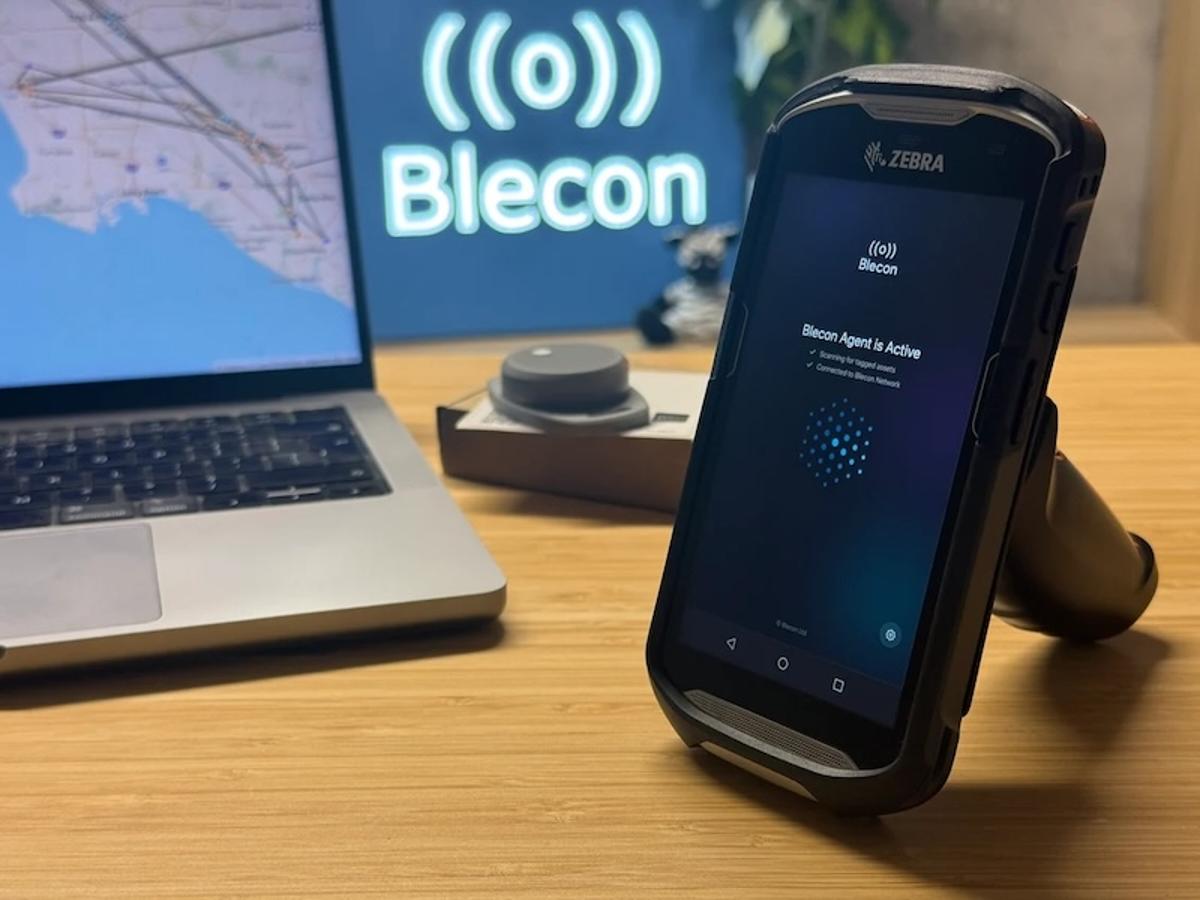
Blecon Launches Agent to Transform Zebra Devices
•February 19, 2026
0
Why It Matters
By eliminating costly cellular links and manual scanning, the Blecon Agent cuts logistics expenses while closing long‑standing visibility gaps, accelerating digital transformation across supply chains.
Key Takeaways
- •Blecon Agent activates Bluetooth on existing Zebra devices.
- •Enables continuous asset tracking without cellular or new hardware.
- •Eliminates manual scanning, improving frontline efficiency.
- •Scales globally in days using current device inventory.
- •Supports Android, iOS, macOS, Windows for broader deployment.
Pulse Analysis
The logistics sector has long wrestled with blind spots where traditional RFID or barcode scans fail, especially in sprawling warehouses and last‑mile transport. Bluetooth Low Energy (BLE) offers a low‑cost, low‑power alternative, but its potential has been hampered by fragmented device ecosystems. Blecon’s Agent bridges that gap by repurposing the ubiquitous Bluetooth radios embedded in Zebra’s rugged handhelds and wearables, creating a mesh of passive listeners that capture tag data as assets move. This approach sidesteps the need for dedicated gateways, delivering a plug‑and‑play visibility layer that scales with the existing workforce.
From a cost‑structure perspective, the Agent dramatically reduces reliance on cellular data plans, which can run $5‑$10 per device per month, and eliminates capital outlays for new beacon infrastructure. Because the software runs in the background, it imposes minimal battery drain and requires no workflow changes, preserving labor productivity. Integration with Zebra’s device management tools also simplifies deployment, allowing IT teams to push updates across Android, iOS, macOS and Windows fleets from a single console. The result is a lean, subscription‑friendly model that aligns with the asset‑as‑a‑service mindset gaining traction in modern supply chains.
Strategically, the Blecon Agent positions Zebra and its ISV partners to capture a growing market of enterprises seeking end‑to‑end visibility without massive capex. As e‑commerce volumes surge and sustainability pressures push firms toward reusable containers, real‑time tracking becomes a competitive differentiator. Companies that adopt autonomous BLE networks can expect faster inventory turnover, reduced shrinkage, and enhanced safety through automated alerts. In the broader IoT landscape, Blecon’s software‑first strategy exemplifies how legacy hardware can be retrofitted for next‑generation data collection, setting a template for other device manufacturers aiming to extend the life and value of their product portfolios.
Blecon Launches Agent to Transform Zebra Devices
0
Comments
Want to join the conversation?
Loading comments...