China Unveils Fully Domestic CPU‑Only Exascale Supercomputer LineShine

Companies Mentioned
Why It Matters
LineShine represents the most ambitious attempt by China to achieve exascale performance without foreign GPU technology, directly challenging the dominance of U.S. and European supercomputing firms. Its success could accelerate China’s broader semiconductor self‑reliance agenda, reducing the effectiveness of export controls that have been a cornerstone of U.S. policy since 2019. For the global HPC market, a proven CPU‑only exascale system would diversify architectural options, potentially spurring new software tools and influencing future procurement decisions by research institutions and governments. Beyond performance metrics, the project underscores how geopolitical tensions are reshaping technology supply chains. If China can demonstrate a reliable, high‑performance, domestically sourced supercomputer, it may inspire similar initiatives in other sectors—such as AI accelerators and data‑center processors—further fragmenting the global hardware ecosystem.
Key Takeaways
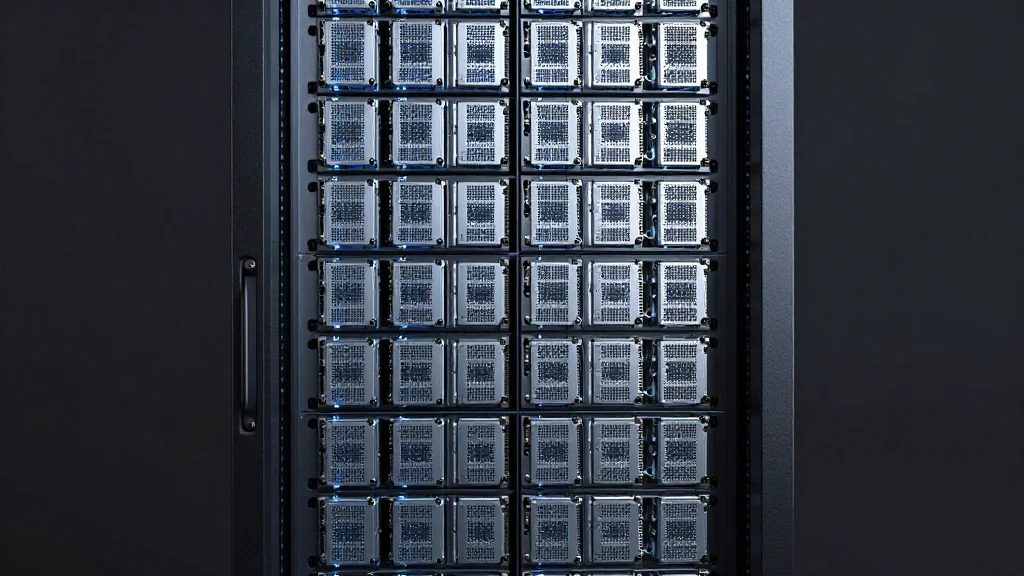
- •LineShine aims for >2 exaflops using 47,000 home‑grown CPUs across 92 cabinets
- •Officials claim the system will surpass the U.S. El Capitan (1.8 exaflops)
- •CPU design centers on the LX2 chip with 300+ cores per processor
- •All‑CPU architecture avoids reliance on U.S. GPU exports tightened since 2019
- •Full deployment targeted for end‑2025; independent performance verification pending
Pulse Analysis
China’s push for a CPU‑only exascale machine is as much a political statement as a technical milestone. By sidestepping GPUs—currently the workhorse of the world’s fastest supercomputers—Beijing is signaling that it can sustain high‑performance workloads even under the most restrictive export regimes. Historically, China’s top systems, such as Sunway TaihuLight, blended domestic and foreign components; LineShine marks a decisive break from that model.
From a market perspective, the announcement could force GPU vendors like Nvidia and AMD to reassess their pricing and licensing strategies for Chinese customers. If LineShine delivers comparable energy efficiency, it may also erode the cost advantage that GPUs have traditionally held in AI training workloads. However, the CPU‑centric approach faces steep hurdles: power consumption per FLOP remains higher than GPU solutions, and software ecosystems are less mature. The real test will be whether Chinese developers can adapt AI frameworks to fully exploit the massive core counts without sacrificing performance.
Strategically, the timeline is critical. The U.S. is expected to roll out its next generation of exascale systems within the next two years, and Europe is investing heavily in heterogeneous architectures. China’s ability to field a verified >2 exaflop system by 2025 could shift the balance of prestige and bargaining power in international research collaborations. Yet, without third‑party benchmarks, the claim remains aspirational. The next six months—when LineShine moves from deployment to validation—will determine whether this project reshapes the HPC hierarchy or remains a symbolic showcase of domestic capability.
China Unveils Fully Domestic CPU‑Only Exascale Supercomputer LineShine
Comments
Want to join the conversation?
Loading comments...