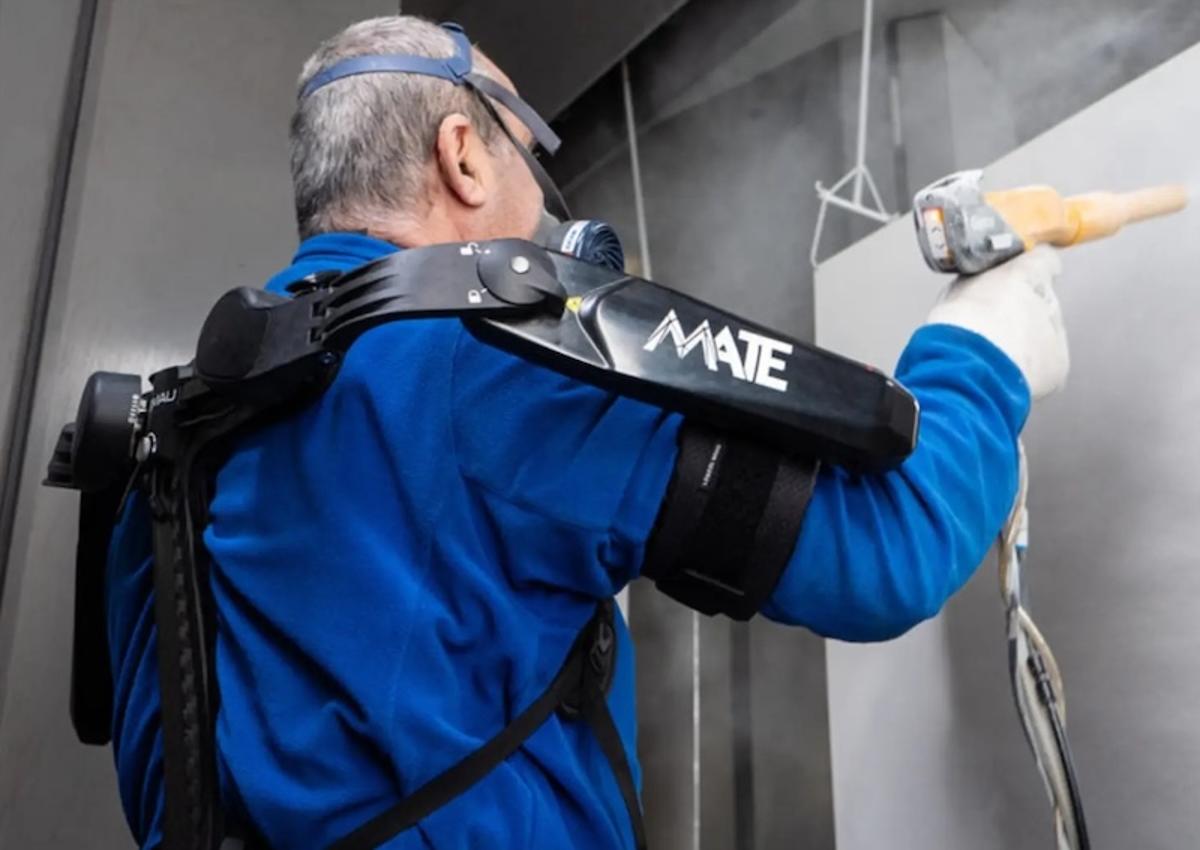
Comau Expands Wearable Robotics with New Mate-XT GO Exoskeleton
•March 4, 2026
0
Why It Matters
By cutting muscular strain and fatigue, Mate‑XT GO boosts worker productivity while meeting safety regulations, opening ergonomic automation to a broader range of companies.
Key Takeaways
- •Wearable exoskeleton weighs under 3 kg.
- •Reduces perceived effort up to 50 percent.
- •Offers eight adjustable assistance levels.
- •Certified Category II PPE for regulated environments.
- •Passive design lowers maintenance and lifecycle costs.
Pulse Analysis
The rise of wearable robotics is reshaping how factories and field operations address repetitive strain injuries. Comau’s Mate‑XT GO builds on its Made‑in‑Italy pedigree, delivering a lightweight, passive exoskeleton that integrates seamlessly into existing workflows. Its rapid donning time and Category II PPE certification meet stringent occupational safety standards, positioning it as a practical tool for sectors where overhead work is routine, such as assembly lines, warehouse picking, and construction framing.
From a technical standpoint, the exoskeleton’s eight assistance levels adapt to the natural biomechanics of the shoulder, providing calibrated support that reduces muscle activation without restricting movement. Users report measurable ergonomic gains, including improved posture and up to a 50 percent drop in perceived fatigue. The passive architecture eliminates the need for batteries or complex electronics, translating into minimal maintenance and lower total cost of ownership—key considerations for firms weighing capital expenditures against productivity gains.
For the business landscape, Mate‑XT GO’s affordability and ease of deployment democratize advanced ergonomics, allowing small and medium‑sized enterprises to compete with larger rivals on worker health and efficiency. As labor shortages intensify, solutions that enhance human‑centric automation become strategic assets. Comau’s partnership with IUVO adds credibility in biomechanics, suggesting future iterations may incorporate data analytics to further refine assistance profiles. Overall, the exoskeleton signals a shift toward scalable, cost‑effective wearable technology that aligns with sustainability goals and the growing demand for safer, more productive workplaces.
Comau expands wearable robotics with new Mate-XT GO exoskeleton
0
Comments
Want to join the conversation?
Loading comments...