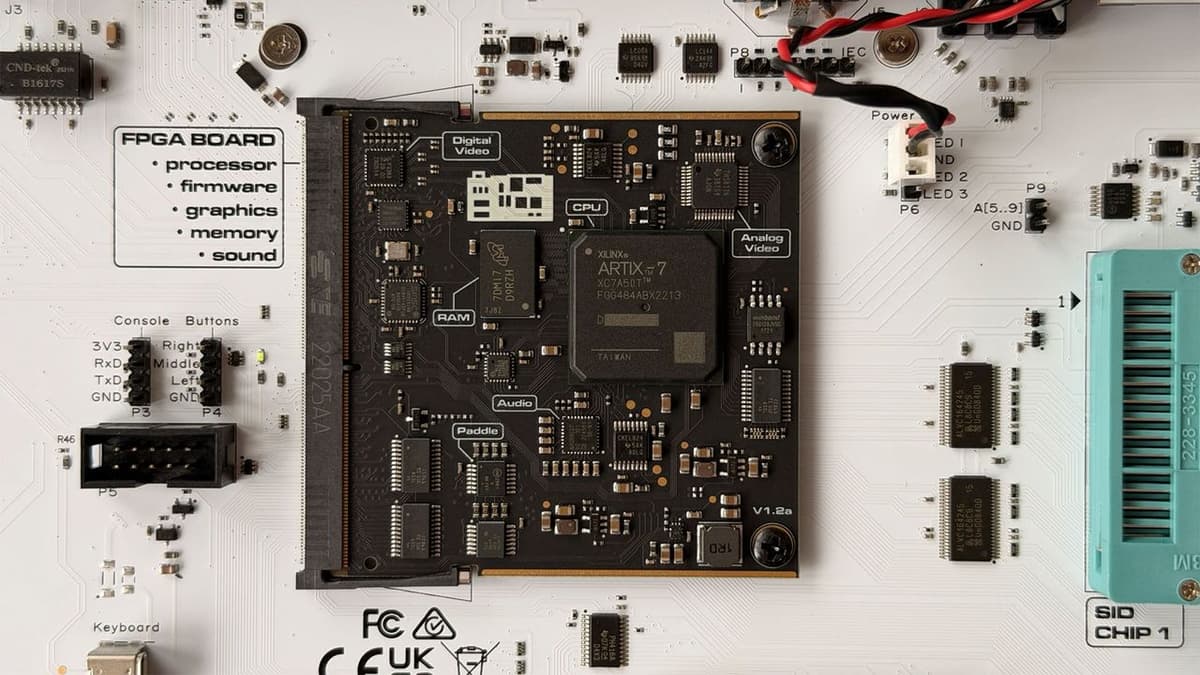
Commodore Backs Down over FPGA Firmware Lockdown — Firm Stops Trying to Block Third-Party Firmware Installs but Will Stand Firm Against Bricked Modded Units
Why It Matters
The reversal preserves user freedom while shifting liability to consumers, influencing warranty practices in the niche retro‑gaming hardware market and signaling how legacy brands balance support costs with enthusiast expectations.
Key Takeaways
- •Commodore now permits third‑party FPGA firmware on C64 Ultimate.
- •Warranty excludes support for bricked units caused by user mods.
- •Policy reversal follows backlash from retro‑gaming community.
- •Future updates may include warnings but no firmware blocks.
Pulse Analysis
The Commodore 64 Ultimate leverages a modern FPGA to recreate the classic C64 experience, allowing hobbyists to load custom cores and enhancements. This flexibility has turned the device into a sandbox for retro‑gaming enthusiasts, who routinely experiment with third‑party firmware to improve performance or add new features. By keeping the hardware open, Commodore taps into a passionate community that drives word‑of‑mouth sales and extends the product’s lifespan beyond its initial launch.
Initially, Commodore considered a firmware lockdown to prevent unsupported modifications that could lead to costly warranty claims. After a wave of criticism on forums and social media, the firm back‑tracked, opting for a clear disclaimer rather than technical restrictions. This approach shifts the risk of a bricked unit onto the user, preserving the brand’s reputation for supporting its legacy while avoiding the expense of free replacements. The policy also underscores a broader industry trend where manufacturers balance open‑source enthusiasm with the need to protect their bottom line.
Looking ahead, the decision may set a precedent for other niche hardware makers that rely on community‑driven innovation. By allowing third‑party firmware but denying warranty coverage for damage, companies can foster a vibrant modding ecosystem without shouldering unlimited support costs. Consumers, however, must weigh the freedom to experiment against the potential loss of warranty protection. As retro‑gaming continues to grow, the interplay between open hardware, firmware control, and warranty policy will become a key factor in product adoption and brand loyalty.
Commodore backs down over FPGA firmware lockdown — firm stops trying to block third-party firmware installs but will stand firm against bricked modded units
Comments
Want to join the conversation?
Loading comments...