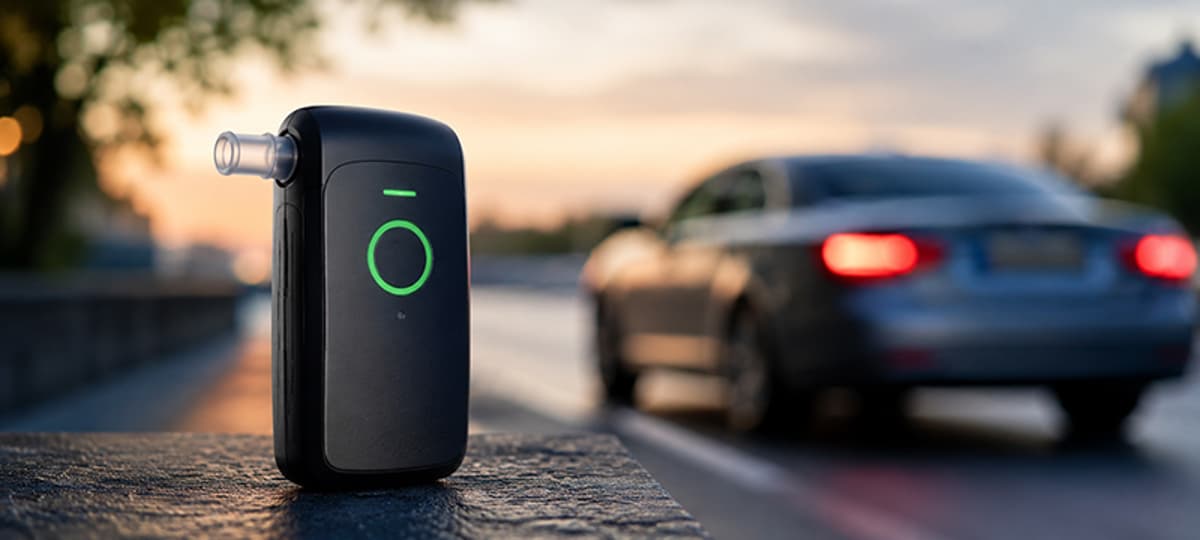
Connected Alcohol Monitoring Installed Base Reaches About 560,000 Units in North America and Europe
Why It Matters
Real‑time alcohol monitoring is becoming essential infrastructure for road safety, workplace compliance and public‑health programs, creating a steady revenue stream for IoT vendors and connectivity providers.
Key Takeaways
- •Installed base reached ~560,000 units in 2025 across NA and Europe
- •Ignition interlock devices comprise about half of connected alcohol monitors
- •Market valued at $409M NA, $187M EU in 2025, growing 6.9% CAGR
- •Connectivity driven by compliance, not consumer convenience, across safety sectors
- •OEMs must prioritize secure reporting and lifecycle management over data volume
Pulse Analysis
The connected alcohol monitoring (ADM) market, while niche, has crossed the half‑million‑device threshold, signalling a maturation point for compliance‑focused IoT. Unlike consumer‑grade breathalysers, these devices are embedded in legal and safety frameworks that demand reliable, tamper‑proof data. Berg Insight’s forecast of a 6.9% compound annual growth rate through 2030 reflects expanding DUI offender programmes, tighter fleet‑safety regulations, and growing adoption in healthcare rehabilitation settings.
Regulatory pressure is the primary catalyst. In North America, ignition‑interlock systems—mandatory for many repeat offenders—are being retrofitted with cellular or LPWAN modules to enable instant test verification and automated reporting. European adoption lags due to fewer offender programmes, yet where mandates exist, agencies are moving from periodic, manual checks to continuous, cloud‑based supervision. This shift creates demand for secure telemetry, event‑driven alerts, and integration with case‑management platforms, distinguishing ADM from high‑volume IoT categories that prioritize raw data throughput.
For manufacturers and platform providers, the implication is clear: product roadmaps must emphasize robust security, low‑latency connectivity, and lifecycle services rather than sensor innovation alone. Vendors that can bundle device management, over‑the‑air updates, and compliance‑grade audit trails will capture the bulk of the projected $571 million North American and $264 million European markets by 2030. As regulators increasingly view real‑time alcohol monitoring as a non‑negotiable safety layer, the ADM segment is poised to become a stable, high‑margin pillar of the broader IoT ecosystem.
Connected Alcohol Monitoring Installed Base Reaches About 560,000 Units in North America and Europe
Comments
Want to join the conversation?
Loading comments...