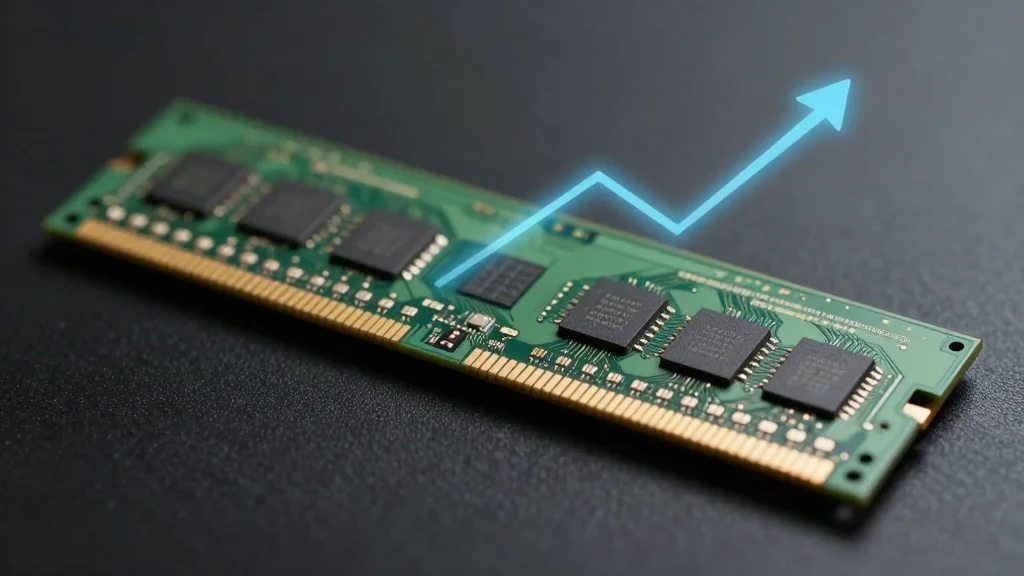
Consumer DRAM Price Surges in March Amid Limited Capacity, Order Shifts
Why It Matters
The steep price escalation tightens margins for PC and smartphone OEMs, while rewarding memory makers with stronger pricing power, signaling a pivotal shift in the consumer DRAM supply chain.
Key Takeaways
- •DDR4 4Gb prices rose >20% MoM in March 2026
- •DDR3 and DDR2 ASPs jumped 20‑40% amid capacity limits
- •Taiwanese firms shifting to DDR4 face tighter supply and higher quotes
- •Q2 contract prices projected to climb 45‑50% QoQ
- •South Korean DRAM makers likely to raise prices more modestly
Pulse Analysis
The consumer DRAM market is entering a period of pronounced scarcity as manufacturers phase out mature nodes below DDR4. Taiwanese fabs, which dominate the mid‑range segment, are reallocating wafer capacity to DDR4 to capture spillover demand, yet the overall expansion of new capacity lags behind demand growth. This structural bottleneck is compounded by the announced end‑of‑life for legacy‑node products, forcing suppliers to prioritize higher‑density chips while legacy parts become premium commodities.
Price dynamics in March illustrate the market’s volatility. DDR4 4‑Gb modules posted a month‑on‑month increase exceeding 20%, outpacing higher‑density offerings. Simultaneously, DDR3 and DDR2 segments experienced 20‑40% jumps as order migration intensified and inventory thinned. Taiwanese vendors have already embedded anticipated Q2 price hikes into March quotations, signaling an aggressive stance. In contrast, South Korean players, which command higher average selling prices, are expected to adopt a more tempered approach, preserving market share while still benefiting from the overall upward trend.
For downstream manufacturers—PC makers, notebook assemblers, and smartphone producers—the surge in DRAM costs translates into tighter bill‑of‑materials and potential price pass‑through to end users. Companies may accelerate redesigns toward higher‑density memory to mitigate unit cost inflation or explore alternative sourcing strategies. Looking ahead, the narrowing of transaction price gaps suggests a more uniform pricing landscape, but continued capacity constraints could keep upward pressure on DRAM pricing well into the second half of the year. Stakeholders should monitor supplier capacity announcements and inventory levels closely to navigate the evolving cost environment.
Consumer DRAM Price Surges in March Amid Limited Capacity, Order Shifts
Comments
Want to join the conversation?
Loading comments...