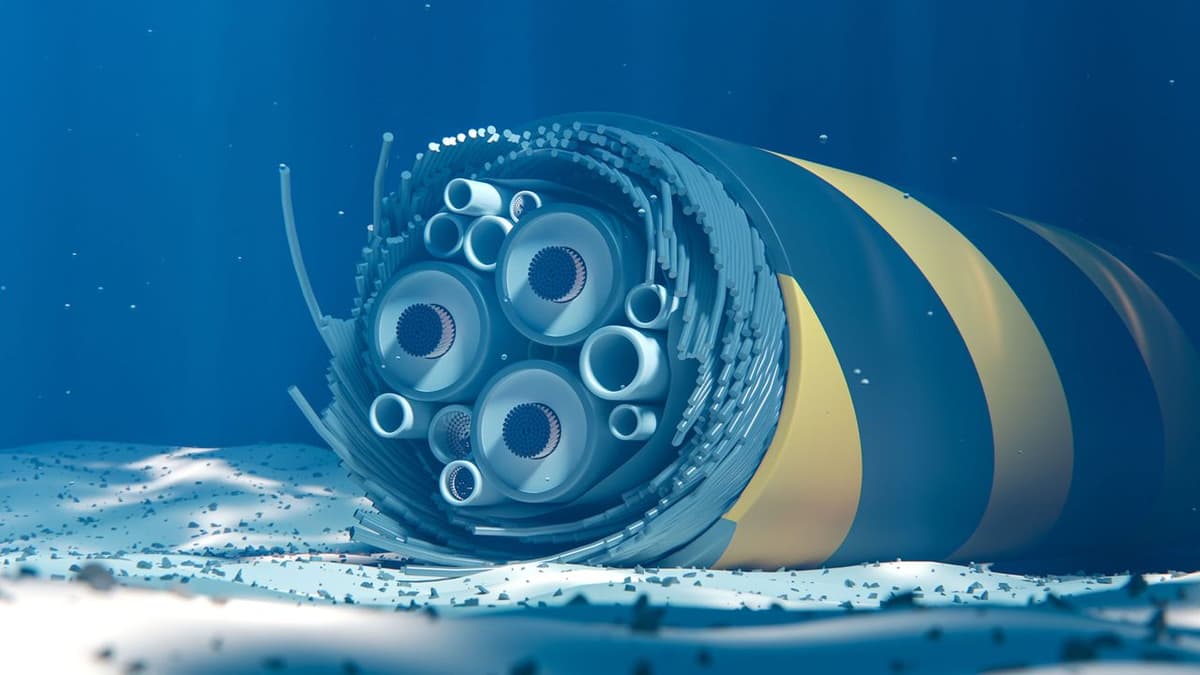
Crucial Taiwan Undersea Cable Severed by Old Shipwreck — Backup Microwave Communications Activated to Keep Population Connected
Why It Matters
The outage reveals Taiwan’s exposure to physical disruptions of critical communications, a risk that could affect civilian connectivity and military coordination in a geopolitically tense region.
Key Takeaways
- •Dongyin‑Beigan cable cut after shipwreck shifted in rough seas
- •Microwave link restores mobile and internet service for 1,500 island residents
- •Taiwan increased patrols on 24 links and monitors 96 blacklisted vessels
- •2023 saw two cables cut by Chinese ships, deemed accidental
- •Sabotage penalties raised to up to 7 years prison and $325,000 fine
Pulse Analysis
Undersea fiber‑optic cables are the backbone of global internet traffic, carrying more than 95% of international data. Taiwan’s reliance on a handful of submarine links makes any physical breach—whether from natural forces or human interference—a potential choke point for both civilian users and defense communications. The rapid switch to a microwave backup on Dongyin illustrates the island’s contingency planning, yet microwave bandwidth and latency cannot match the capacity of fiber, leaving critical services vulnerable during prolonged outages.
The incident occurs against a backdrop of heightened cross‑strait tension. While the recent Dongyin cut was caused by a weather‑displaced wreck, earlier incidents in 2023 involved Chinese vessels accidentally severing cables, prompting Taipei to tighten maritime surveillance. Taiwan now tracks 96 vessels on a blacklist and has bolstered patrols around its 24 underwater routes. Legislative action has also raised the stakes, imposing up to seven years in prison and a $325,000 fine for anyone caught sabotaging cables, signaling a zero‑tolerance stance toward infrastructure attacks.
Globally, the event reinforces the industry’s push for diversified redundancy. Satellite constellations, especially low‑earth‑orbit (LEO) networks, are being touted as viable alternatives when fiber fails, but they still lag in throughput and reliability for bulk data transfer. Nations are therefore investing in hybrid architectures that blend submarine cables, terrestrial microwave, and satellite links to safeguard against both natural disasters and geopolitical threats. For Taiwan, strengthening such a layered approach will be essential to maintain uninterrupted connectivity for its population and to ensure secure military communications in a region where every link can become a strategic target.
Crucial Taiwan undersea cable severed by old shipwreck — backup microwave communications activated to keep population connected
Comments
Want to join the conversation?
Loading comments...