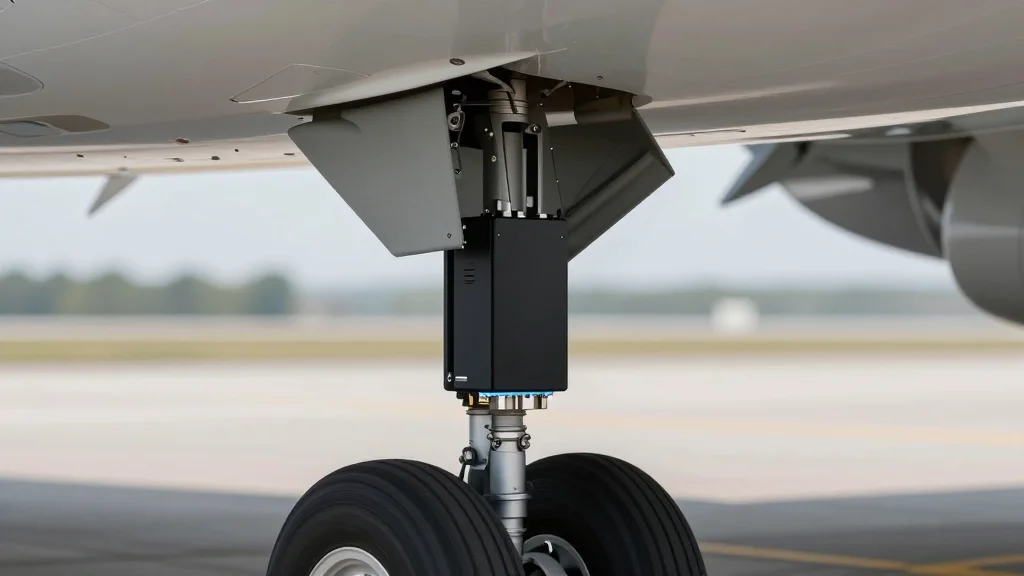
CSA Catapult a Core Technology Partner Providing SiC Power Module for Project SONATA
Companies Mentioned
Why It Matters
Electric ground‑operations can dramatically reduce aviation’s carbon footprint while improving operational efficiency, giving the UK a strategic edge in next‑generation aerospace technology.
Key Takeaways
- •CSA Catapult supplies custom SiC power modules for SONATA electric taxi
- •Targeted power density reaches 15 kW per kilogram, industry‑leading performance
- •Electric taxiing cuts fuel burn, emissions, noise, and brake wear
- •Project SONATA backed by £3.5 bn UK government‑industry funding (~$4.5 bn)
- •Collaboration includes Airbus, Evolito, University of Southampton, and others
Pulse Analysis
The push toward electric taxiing reflects a broader shift in aerospace toward sustainable propulsion. By replacing jet‑engine thrust with electric wheel actuators during ground operations, airlines can slash fuel consumption by up to 10 percent per flight, reduce CO₂ emissions, and lower airport noise levels. The UK’s Modern Industrial Strategy has earmarked substantial public‑private capital to accelerate such innovations, recognizing that greener operations are becoming a competitive differentiator for carriers worldwide.
At the heart of Project SONATA is CSA Catapult’s expertise in silicon‑carbide (SiC) power electronics. SiC devices offer superior thermal conductivity and switching efficiency compared with traditional silicon, enabling compact converters that meet the stringent weight and space constraints of aircraft landing‑gear bays. Leveraging active‑metal‑brazed substrates, additive‑manufactured housings and AI‑driven design optimisation, CSA Catapult aims for a 15 kW/kg power density—an industry‑leading benchmark. The bespoke multi‑level, multi‑phase inverter topology it is developing promises reliable performance under the high‑vibration, shock and thermal‑cycling conditions typical of aviation environments.
The commercial implications are significant. With an estimated $4.5 bn pool of UK government‑industry funding supporting projects like SONATA, the nation is positioning itself as a hub for aerospace electrification supply chains. Successful demonstration could spur adoption across commercial fleets, creating demand for SiC modules, advanced packaging and associated services. Moreover, the collaboration with major OEMs such as Airbus signals market validation, potentially accelerating certification pathways and opening export opportunities for UK‑based semiconductor firms. In the longer term, widespread electric taxiing could become a baseline capability, reshaping airport operations and reinforcing the UK’s status as a global leader in next‑generation aviation technology.
CSA Catapult a core technology partner providing SiC power module for project SONATA
Comments
Want to join the conversation?
Loading comments...