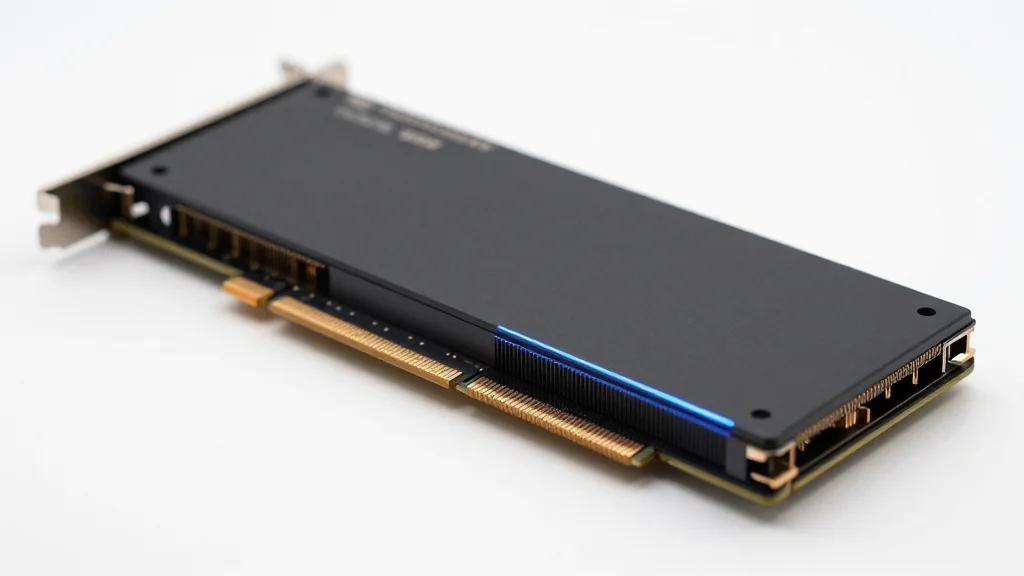
CTONE Group Shifts to AI Edge Hardware with New Agent Computer Line

Companies Mentioned
Why It Matters
CTONE's entry into AI edge hardware signals a broader shift toward localized intelligence, where data privacy, latency and cost efficiency drive demand for on‑device processing. By coupling hardware with a curated ecosystem of partners, CTONE aims to lower barriers for developers and enterprises seeking to embed AI without relying on centralized cloud services. If successful, the strategy could reshape supply chains, spur new use‑cases in robotics and digital humans, and pressure established players to deepen their own ecosystem integrations. The launch also underscores China's ambition to become a self‑sufficient AI hardware supplier, reducing reliance on foreign chips and platforms. As global tensions over technology access persist, CTONE's ecosystem approach may serve as a model for other Chinese firms seeking to export AI‑ready devices while retaining control over critical software layers.
Key Takeaways
- •CTONE unveiled the Agent Computer and AI Agent Workstation series at a Shenzhen event with >1,500 industry guests
- •Entry‑level devices integrate over 200 built‑in skill‑based AI agents
- •CTONE aims for AI to handle 80%–90% of daily user tasks on‑device
- •13 years of smart‑manufacturing experience and sales in 180+ countries
- •Ecosystem partners include Intel, AMD, Alibaba Cloud, SenseTime and Moore Threads
Pulse Analysis
CTONE's aggressive "All in AI" positioning reflects a maturing Chinese hardware ecosystem that is no longer content with assembling mini PCs for the consumer market. By leveraging partnerships with global chipmakers and AI specialists, CTONE is attempting to create a vertically integrated stack that can compete with Nvidia's Jetson and Intel's Edge AI offerings. The inclusion of over 200 pre‑installed agents suggests a focus on plug‑and‑play solutions, which could accelerate adoption among small and medium enterprises lacking deep AI expertise.
Historically, Chinese hardware firms have excelled in cost‑effective manufacturing but lagged in high‑performance AI silicon. CTONE's reliance on external GPU and CPU partners (Intel, AMD, Moore Threads) sidesteps the need for in‑house silicon design while still delivering competitive performance. This strategy mirrors the broader industry trend of modular ecosystems, where hardware vendors focus on integration and software tooling rather than owning every component. If CTONE can deliver on its promise of edge‑centric privacy and cost savings, it may carve out a niche in regulated sectors such as healthcare and energy, where data residency is paramount.
Looking ahead, the critical test will be developer engagement and real‑world performance benchmarks. Early adopters will scrutinize latency, power consumption and the ease of deploying custom models on the Agent Computer platform. Success could trigger a cascade of similar ecosystem‑first launches across China, intensifying competition and potentially driving down prices for edge AI hardware globally.
CTONE Group Shifts to AI Edge Hardware with New Agent Computer Line
Comments
Want to join the conversation?
Loading comments...