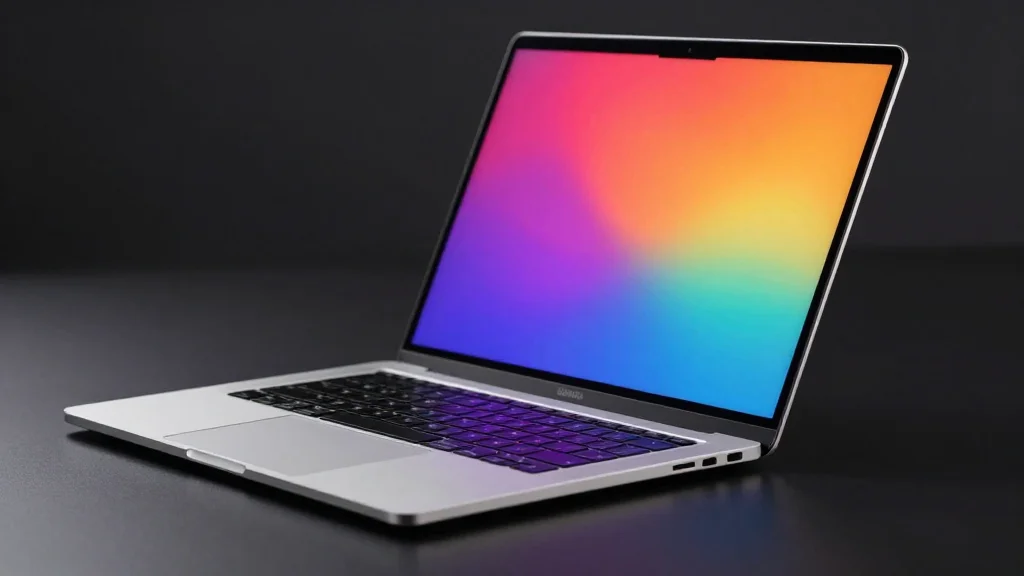
Dell XPS 16 (2026) Review Shows High‑End Windows Laptop Takes Aim at MacBook Pro

Companies Mentioned
Why It Matters
The XPS 16’s blend of premium materials, OLED display technology and high‑performance Intel silicon raises the bar for Windows‑based ultrabooks, a segment traditionally dominated by Apple’s MacBook Pro. By offering a comparable experience at a lower price point, Dell pressures rivals such as HP, Lenovo and Microsoft to accelerate their own hardware upgrades, potentially spurring faster adoption of OLED panels and advanced power‑efficiency architectures across the industry. For enterprise buyers, the inclusion of three Thunderbolt 4 ports and a robust battery life means the XPS 16 can serve as a primary device for mobile professionals, reducing the need for multiple accessories and extending productive time away from outlets. The model’s success could also influence Dell’s broader product strategy, encouraging the company to prioritize design innovation and component integration in future releases.
Key Takeaways
- •Dell XPS 16 (2026) starts at $1,749; review unit valued at $2,349
- •Weighs 3.6 lb, 0.6 inches thick, and is a pound lighter than the previous 16‑inch Premium model
- •Features a 16‑inch 2880 × 1800 OLED InfinityEdge touch display
- •Powered by Intel Panther Lake CPUs, delivering strong performance and long battery life
- •Includes three Thunderbolt 4 USB‑C ports, a 3.5 mm jack and physical function keys
Pulse Analysis
Dell’s decision to resurrect the XPS brand with a 16‑inch form factor reflects a strategic push to reclaim the high‑end Windows laptop market, a space where Apple has long held sway. By marrying a sleek aluminum chassis with an OLED panel and the latest Intel silicon, Dell is not merely matching the MacBook Pro’s aesthetic; it is delivering a technically competitive package that addresses the performance‑power trade‑off that has hampered many Windows ultrabooks.
Historically, Dell’s XPS line has oscillated between bold design experiments and more conservative iterations. The 2026 XPS 16 marks a return to a more universally appealing silhouette, suggesting Dell listened to feedback about the polarizing “XPS Plus” design. The physical function‑key row, a departure from the previous model’s capacitive strip, signals a pragmatic shift toward user productivity, especially for professionals who type extensively.
From a market dynamics perspective, the XPS 16 could catalyze a price‑performance arms race. Competitors will need to justify higher price tags for comparable OLED displays and battery endurance, or risk losing the premium Windows buyer to Dell. Moreover, Dell’s pricing—under $2,500 for a top‑tier configuration—places pressure on HP and Lenovo to tighten margins or introduce differentiated features such as modular ports or AI‑enhanced power management. If Dell can sustain this momentum with subsequent refreshes, the XPS line may become the de‑facto benchmark for Windows creators, reshaping purchasing decisions across both consumer and enterprise segments.
Dell XPS 16 (2026) Review Shows High‑End Windows Laptop Takes Aim at MacBook Pro
Comments
Want to join the conversation?
Loading comments...