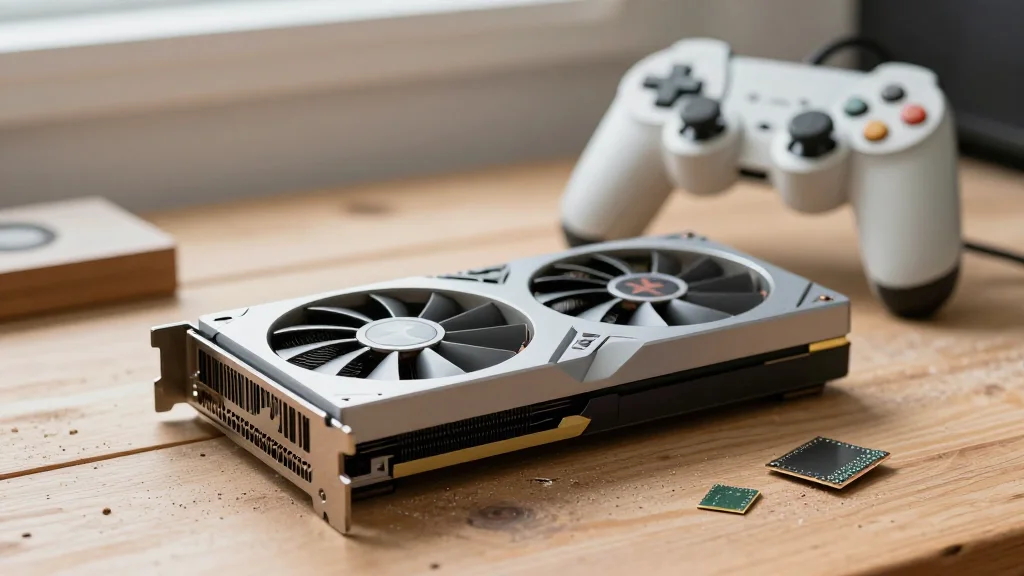
DigiTimes Report Says Motherboard Manufacturers Are in Crisis.
Companies Mentioned

Why It Matters
Reduced motherboard supply and rising component costs threaten the growth of the DIY gaming market and may accelerate a shift toward consoles and older hardware, impacting OEM revenues and the broader semiconductor supply chain.
Key Takeaways
- •Asus shipments down ~60% YoY, indicating motherboard slump
- •Memory shortage drives component prices up, hurting DIY builds
- •Gamers turning to older rigs, Linux, and consoles
- •Laptop ASPs up 50%, likely suppressing sales volumes
- •Industry expects temporary dip, but market dynamics may change
Pulse Analysis
The current memory bottleneck is reverberating far beyond DRAM pricing sheets, directly curbing motherboard output across the major Asian OEMs. DigiTimes’ data shows Asus, the market leader, delivering just 5 million units in the first half of 2026—a stark contrast to its 15 million shipments in 2025. This contraction reflects both supply‑chain constraints and a cautious inventory stance by manufacturers wary of over‑stocking amid volatile component costs. The ripple effect is evident in the broader PC ecosystem, where tighter margins force system integrators to trim SKUs and delay new platform launches.
For the enthusiast community, the fallout translates into higher entry‑level prices and longer lead times for key parts such as DDR5 modules and PCIe 5.0 chipsets. As a result, many gamers are reverting to legacy hardware—DDR3‑based X79 boards, refurbished office machines, or lightweight Linux distros that run modern titles with modest specs. The price surge in laptops, with average selling prices climbing roughly 50 percent to $1,800, further nudges price‑sensitive consumers toward consoles, especially with high‑profile releases like GTA 6 on the horizon. This behavioral shift underscores a broader resilience strategy: diversify platforms rather than rely solely on high‑end DIY builds.
Looking ahead, the motherboard slump is likely to be a short‑term correction rather than a permanent market exit. Semiconductor firms are already scaling up capacity for next‑generation memory, and OEMs are adjusting production forecasts to align with anticipated demand rebounds in Q3 and Q4. However, the episode serves as a cautionary tale for the industry: supply‑chain transparency and flexible design pipelines will be critical to weather future disruptions. Companies that can quickly pivot to alternative form factors or integrate cost‑effective components may capture the displaced DIY segment, while those that cling to rigid, high‑margin models risk losing relevance in an increasingly price‑sensitive market.
DigiTimes report says motherboard manufacturers are in crisis.
Comments
Want to join the conversation?
Loading comments...