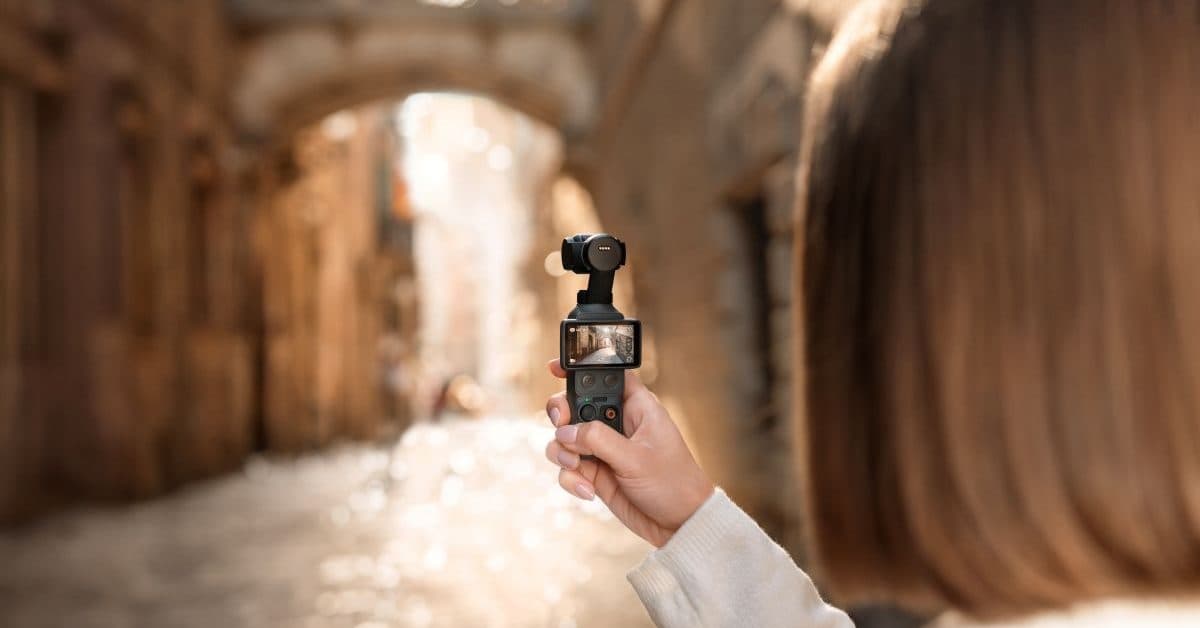
DJI Pocket 4 Camera Becomes First Real Casualty of US FCC Ban
Companies Mentioned
Why It Matters
The FCC blockage prevents U.S. creators from accessing DJI's most advanced pocket camera, highlighting how regulatory actions can reshape market availability and competitive dynamics in the consumer video‑gear segment.
Key Takeaways
- •Osmo Pocket 4 offers 1‑inch sensor and 4K 240 fps slow‑motion
- •107 GB internal storage eliminates need for external memory cards
- •ActiveTrack 7.0 and Subject Lock improve solo shooting reliability
- •Four‑hour recording time and rapid charging boost field workflow
- •FCC Covered List status bars U.S. sales until legal resolution
Pulse Analysis
The Osmo Pocket 4 pushes the limits of what a handheld gimbal can do, marrying a 1‑inch CMOS sensor with 4K video at 240 fps and 14 stops of dynamic range. Those specs place it in the same performance tier as many larger mirrorless cameras, while retaining the convenience of a pocket‑sized form factor. For creators focused on ultra‑slow‑motion content or low‑light storytelling, the combination of 10‑bit D‑Log and improved sensor readout translates into richer color grading flexibility and cleaner footage in challenging lighting conditions.
Beyond raw specifications, DJI has layered the Pocket 4 with workflow‑centric features that address the pain points of solo videographers. ActiveTrack 7.0, Subject Lock Tracking, and gesture‑based controls let users keep subjects in frame without manual adjustments, a boon for vloggers and street‑level documentarians. The addition of 107 GB of built‑in storage and a four‑hour recording battery reduces reliance on spare cards and external power, streamlining on‑the‑go production. Integrated accessories such as the Mic 3 audio system and optional fill‑light further position the device as an all‑in‑one kit for quick, high‑quality shoots.
The regulatory hurdle, however, underscores a broader risk for tech manufacturers operating in the U.S. market. Being placed on the FCC’s Covered List means new DJI products cannot obtain the necessary certification, effectively removing them from legal distribution channels. This not only stalls revenue for DJI but also forces U.S. creators to either stick with older models or seek alternative brands, potentially reshaping market share in the compact camera segment. The outcome of DJI’s legal challenge will be a bellwether for how future consumer devices with wireless capabilities navigate U.S. security and compliance scrutiny.
DJI Pocket 4 camera becomes first real casualty of US FCC ban
Comments
Want to join the conversation?
Loading comments...