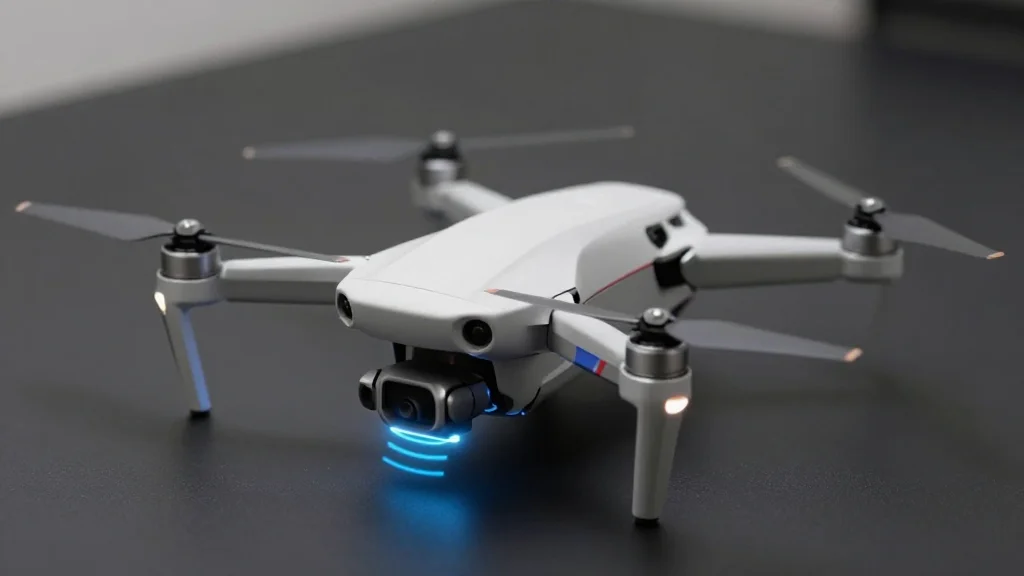
DJI Unveils Lito Drone, Likely Its Final US Model Amid FCC Ban

Companies Mentioned
Why It Matters
The Lito launch sits at the intersection of technology, trade policy, and consumer demand. A successful U.S. entry would demonstrate that even under stringent export controls, Chinese hardware firms can still access the world’s largest drone market through strategic timing and regulatory maneuvering. Conversely, a blocked launch would signal a turning point for the consumer UAV sector, potentially accelerating the rise of domestically produced drones and reshaping the competitive landscape. For hobbyists, content creators, and commercial operators, the Lito could be the last chance to buy a new DJI‑branded drone without resorting to gray‑market imports. The outcome will influence pricing, availability of accessories, and the overall health of the U.S. drone ecosystem for years to come.
Key Takeaways
- •DJI announced the Lito drone with an April 23 reveal date.
- •FCC filings suggest the Lito is “grandfathered,” allowing U.S. sales despite a 2025 ban on new Chinese drones.
- •DJI sued the FCC in February, alleging the agency “exceeded its statutory authority.”
- •Leaked specs show an 18 m/s top speed and a sub‑250 g weight to stay within Class 0 limits.
- •The launch could be DJI’s final new consumer drone in the United States if regulatory hurdles persist.
Pulse Analysis
DJI’s Lito strategy reflects a classic regulatory arbitrage play: secure certification before a deadline and lock in market access while the broader ban looms. Historically, DJI has dominated the consumer UAV segment by leveraging cost‑effective manufacturing in China and a rapid product cadence. The FCC’s ban threatens that model, forcing the company to either relocate production, redesign hardware to meet U.S. standards, or rely on legacy inventory. By filing for grandfathered status, DJI buys time, but it does not solve the underlying supply‑chain risk.
Competitors are poised to benefit. Autel’s Evo series, already assembled in the United States, meets the FCC’s security criteria without the need for waivers. Skydio’s AI‑driven drones, built domestically, also sidestep the ban. If the Lito is cleared, DJI will retain a foothold, but the window may be narrow, and the brand could lose momentum as developers and creators shift to platforms with guaranteed long‑term support. The outcome of DJI’s lawsuit will be a bellwether for how other Chinese hardware firms navigate U.S. export controls.
Looking ahead, the April 23 livestream will be a litmus test for the feasibility of “grandfathered” launches. Investors will watch for any FCC statements on the upcoming assessments, while regulators may use the Lito case to refine the criteria for future waivers. For the broader hardware industry, the episode underscores the growing importance of compliance engineering and the strategic value of timing product certifications ahead of policy shifts.
DJI unveils Lito drone, likely its final US model amid FCC ban
Comments
Want to join the conversation?
Loading comments...