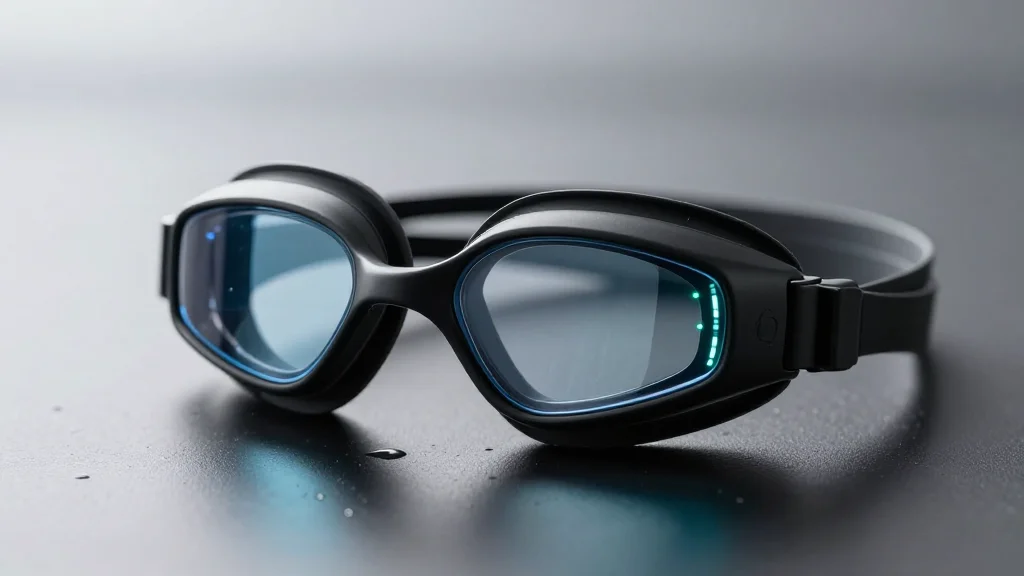
Dreame Unveils Nexis AI‑Powered Smart Swim Goggles in Silicon Valley

Companies Mentioned
Why It Matters
The Nexis goggles illustrate how AI and AR can converge in niche hardware categories, expanding the scope of wearable technology beyond wrist‑worn devices. By delivering high‑resolution visual overlays underwater, Dreame addresses a long‑standing gap in sports analytics, potentially giving swimmers instant feedback that was previously only available through post‑session video analysis. If the product gains traction, it could accelerate a shift toward sport‑specific wearables that combine real‑time data, immersive displays and seamless audio integration. This would pressure incumbents to broaden their hardware roadmaps and could spark a wave of investment in underwater optics, battery efficiency and AI edge‑processing, reshaping the broader hardware ecosystem.
Key Takeaways
- •Dreame AI Glasses Division launched the Nexis smart swim goggles at a Silicon Valley event near Stanford University
- •HyperView HD Display uses MicroLED projection, 640×480 resolution, 1000‑nit brightness and a 30° ultra‑wide field of view
- •Fin‑Dynamic Comfort Fit System features a 12 mm‑thin bionic wing and soft silicone seal for low drag
- •Integrated AI Coach tracks 12 metrics, including heart rate, pace and stroke recognition, and pairs with Flo S2 bone‑conduction headphones
- •Free lifelong OTA software updates and a connected app ecosystem enable continuous feature upgrades
Pulse Analysis
Dreame’s Nexis goggles represent a strategic bet on vertical integration, where the company controls everything from optics to AI algorithms. This approach mirrors the broader hardware trend of bundling proprietary components to protect IP and accelerate iteration. By keeping the display, sensor suite and software stack in‑house, Dreame can push rapid OTA updates, a capability that has become a competitive differentiator in smartphones and smart home devices.
The launch also underscores a market inflection point: wearables are no longer limited to fitness tracking on the wrist. As athletes demand richer, context‑aware data, manufacturers that can embed high‑resolution displays in form factors that survive harsh environments will capture premium segments. Dreame’s focus on anti‑fog coatings and drag‑reduction addresses the practical barriers that have kept AR underwater largely experimental.
However, the Nexis faces headwinds. Battery life in a sealed, waterproof package remains a critical unknown, and the projected price point will likely limit adoption to serious athletes and early adopters. Competitors such as Garmin, who already dominate swim metrics through wrist‑worn devices, may counter with software‑only solutions that avoid hardware complexity. Dreame’s success will hinge on whether the added visual feedback translates into measurable performance gains that justify the cost. If early field trials at competitive meets demonstrate clear advantages, the Nexis could catalyze a new wave of sport‑specific AR hardware, prompting larger OEMs to invest in similar vertical solutions.
Dreame Unveils Nexis AI‑Powered Smart Swim Goggles in Silicon Valley
Comments
Want to join the conversation?
Loading comments...