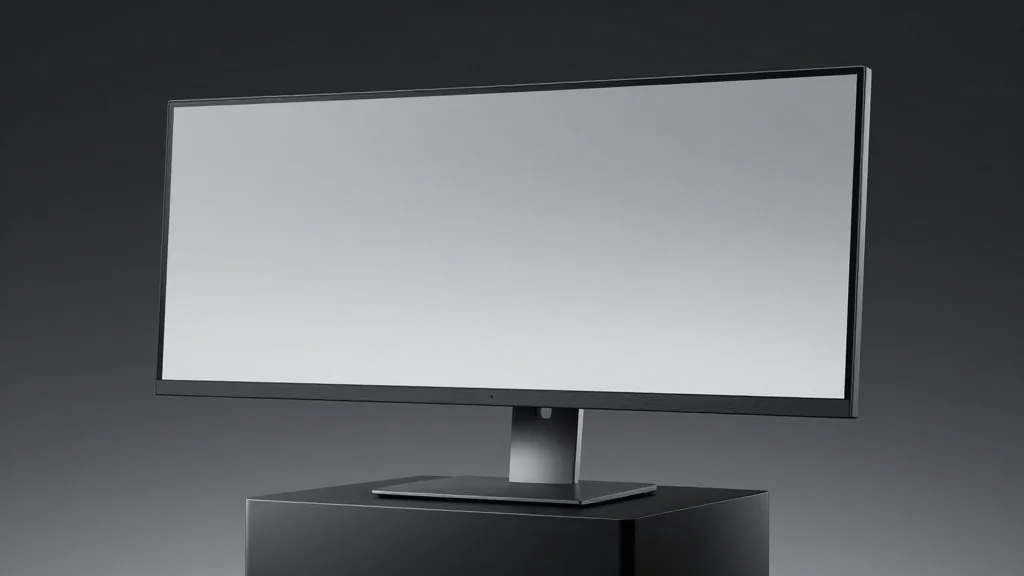
Dual-Screen Monitor Can Show Two Sides of the Same Story
Companies Mentioned
Why It Matters
The device solves a long‑standing ergonomic challenge by allowing two users to share a single desk without compromising privacy or workflow, potentially reducing hardware costs and floor space in high‑traffic service areas.
Key Takeaways
- •Philips 24B2D5300 offers 23.8‑inch Full HD screens on both sides
- •DualView mode can mirror or extend content to rear screen
- •Each side connects via USB‑C or HDMI, USB‑C supplies 65 W power
- •Designed for banks, medical desks, and high‑traffic service counters
- •Built‑in Flicker‑Free, SoftBlue, and Eyesafe 2.0 protect eye health
Pulse Analysis
The rise of contact‑center and front‑desk operations has highlighted a gap in traditional display design: a single‑faced monitor forces users to swivel, share screens, or compromise on privacy. Philips’ dual‑sided monitor directly addresses this by mounting two outward‑facing IPS panels on a 180‑degree swivel base, turning the monitor into a two‑person interface. This configuration is especially valuable in environments where staff must protect sensitive data while simultaneously presenting forms, signatures, or product details to customers, eliminating the need for awkward screen‑sharing solutions.
From a technical standpoint, the 24B2D5300 balances standard business specifications with thoughtful ergonomics. Each 23.8‑inch panel delivers Full HD resolution, 120 Hz refresh rate, and 178‑degree viewing angles—adequate for everyday office tasks and modest multimedia. Connectivity is robust: independent USB‑C and HDMI inputs let two devices operate side‑by‑side, and the USB‑C ports provide up to 65 W power delivery, turning the monitor into a hub for peripherals and audio. Eye‑care features such as Flicker‑Free, SoftBlue low‑blue‑light, and Eyesafe 2.0 certification further enhance comfort during prolonged use, a critical factor for high‑traffic service desks.
Pricing the unit at roughly US $460 positions it as a cost‑effective alternative to deploying two separate monitors in cramped spaces. Early adopters in banking, healthcare, and retail can expect reduced desk footprint, streamlined cable management, and improved customer experience. If the dual‑screen concept gains traction, it may spur competitors to explore similar bi‑directional designs, potentially reshaping how businesses equip collaborative workstations and front‑office environments.
Dual-screen monitor can show two sides of the same story
Comments
Want to join the conversation?
Loading comments...