Why It Matters
By making automated astrophotography viable in urban environments, the Dwarf Mini expands the market for entry‑level imaging gear and lowers the barrier for public engagement with astronomy.
Key Takeaways
- •2 MP sensor limits resolution but suffices for mobile sharing
- •4‑hour battery restricts long sessions; external power needed
- •Automated alignment and stacking enable quick imaging in light‑polluted areas
- •EQ tracking mode provides equatorial‑like performance in a pocket‑sized scope
- •No tripod included, adding extra cost for stable mounting
Pulse Analysis
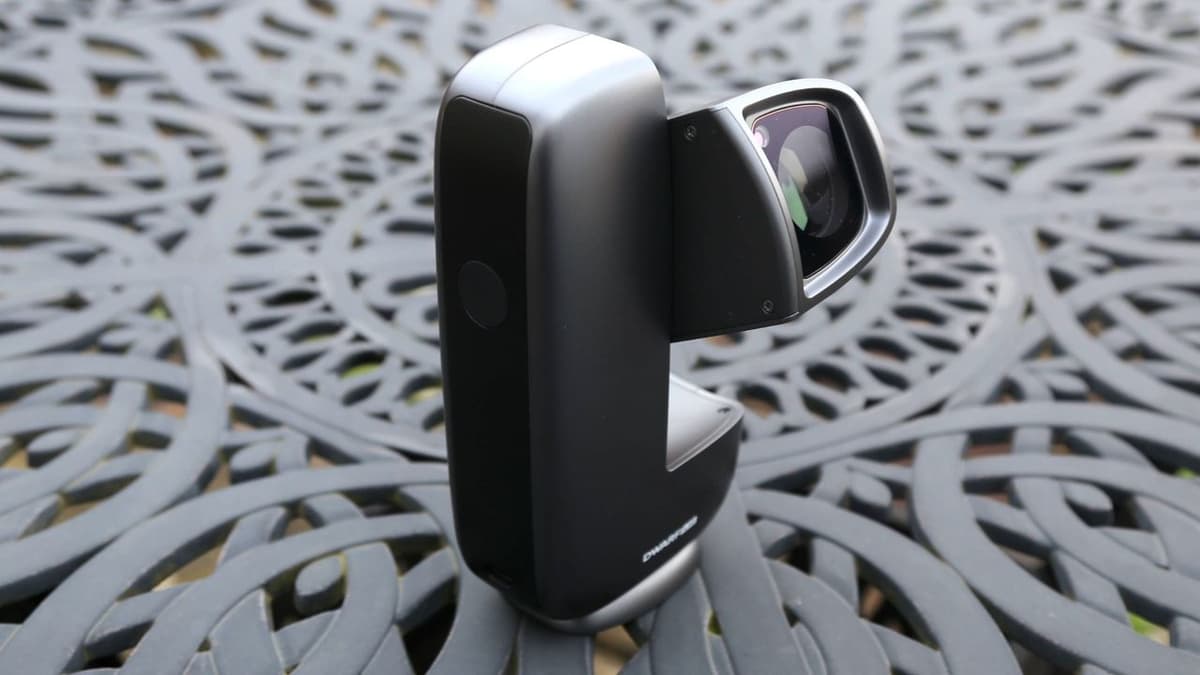
Smart telescopes have moved beyond hobbyist curiosities to become practical tools for urban stargazing, and DwarfLab’s Dwarf Mini exemplifies that shift. Combining a compact 30 mm refractor with a Sony IMX662 sensor, the device leverages AI‑driven plate solving and in‑app stacking to turn a city balcony into a usable astrophotography platform. This approach sidesteps the traditional need for bulky mounts and eyepieces, allowing users to point, shoot, and share images directly from a smartphone—an appealing proposition for educators introducing astronomy in classrooms or for travelers who cannot lug a full‑size scope.
From a technical standpoint, the Mini’s 2 MP resolution is modest, yet the sensor’s low‑light sensitivity and the app’s Stellar Studio processing produce surprisingly vibrant lunar and solar shots. The inclusion of an optional equatorial (EQ) tracking mode, simulated through software rather than a mechanical mount, adds a layer of precision typically reserved for larger instruments. However, the four‑hour battery life and the omission of a tripod mean that extended deep‑sky sessions require additional power solutions and a stable platform, factors that could deter more serious imagers.
Market-wise, the Dwarf Mini positions DwarfLab against competitors like ZWO’s Seestar series by offering a lower entry price and a truly portable form factor. Its focus on ease of use and urban applicability may attract a broader demographic, fueling growth in the smart‑telescope segment. As manufacturers continue to integrate AI alignment and cloud‑based processing, devices that balance affordability with functional performance—like the Dwarf Mini—are likely to shape the next wave of consumer astrophotography, especially in light‑polluted regions where traditional telescopes struggle.
DwarfLab Dwarf Mini smart telescope review
Comments
Want to join the conversation?
Loading comments...