Edge Computing for IoT: Architecture, Use Cases, Benefits and Deployment Strategies
Why It Matters
By delivering near‑real‑time insights at the source, edge computing unlocks business models that depend on instant decision‑making and low‑latency connectivity, driving efficiency across multiple sectors.
Key Takeaways
- •Edge processing cuts latency, enabling real‑time IoT decisions.
- •Bandwidth savings by filtering data before cloud transmission.
- •Deployment complexity rises with distributed hardware and management.
- •AI inference at the edge drives autonomous industrial and vehicle use cases.
- •5G rollout accelerates edge adoption through low‑latency connectivity.
Pulse Analysis
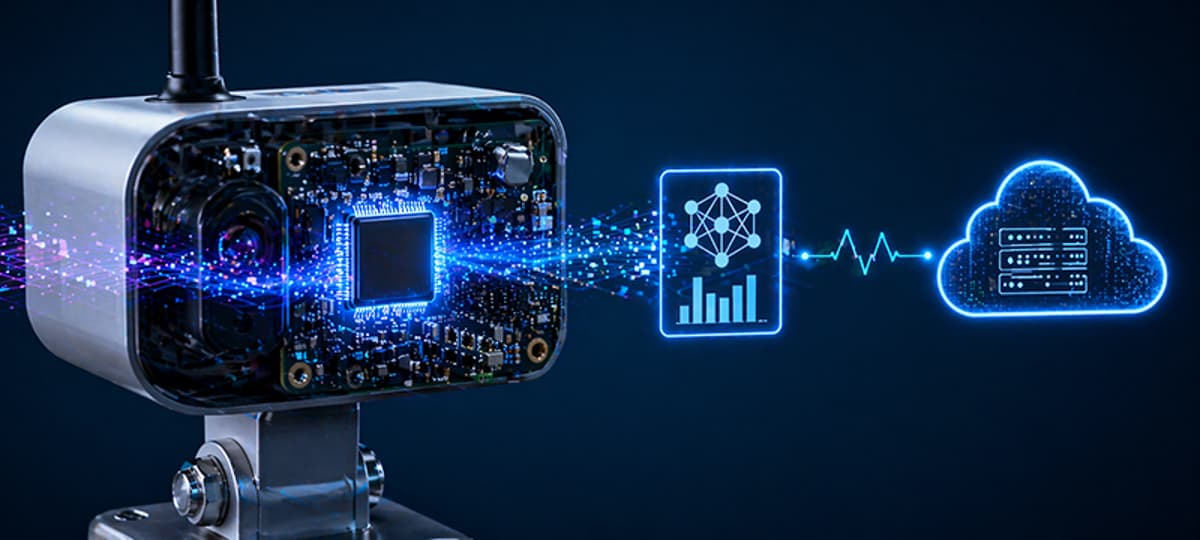
The rise of edge computing reflects a broader industry move toward distributed intelligence. As IoT sensor volumes explode, sending raw streams to distant data centers becomes untenable, both financially and technically. Edge nodes—ranging from rugged gateways to micro‑data centers—perform initial analytics, compressing or discarding irrelevant data before it reaches the cloud. This architecture not only slashes bandwidth costs but also mitigates latency, a critical factor for applications like predictive maintenance on factory floors or traffic‑light coordination in smart cities.
Technical teams must grapple with the trade‑offs that edge introduces. Limited compute and storage at the node level demand lightweight operating systems, container orchestration, and efficient AI inference models. Security surfaces expand as each node becomes a potential attack vector, prompting zero‑trust frameworks, secure boot, and encrypted communications. Moreover, managing firmware updates, monitoring health, and ensuring interoperability across heterogeneous hardware require robust device‑management platforms and standardized protocols such as MQTT, OPC UA, and CoAP.
Looking ahead, the convergence of 5G, private cellular networks, and edge‑native AI will accelerate adoption. Ultra‑low latency links enable edge resources to be co‑located with telecom infrastructure, creating a seamless continuum from sensor to cloud. Vendors are investing in unified orchestration tools that abstract the underlying hardware, simplifying large‑scale rollouts. Companies that strategically embed edge capabilities now will gain a competitive edge—literally—by delivering faster, more reliable, and privacy‑preserving IoT services.
Edge Computing for IoT: Architecture, Use Cases, Benefits and Deployment Strategies
Comments
Want to join the conversation?
Loading comments...