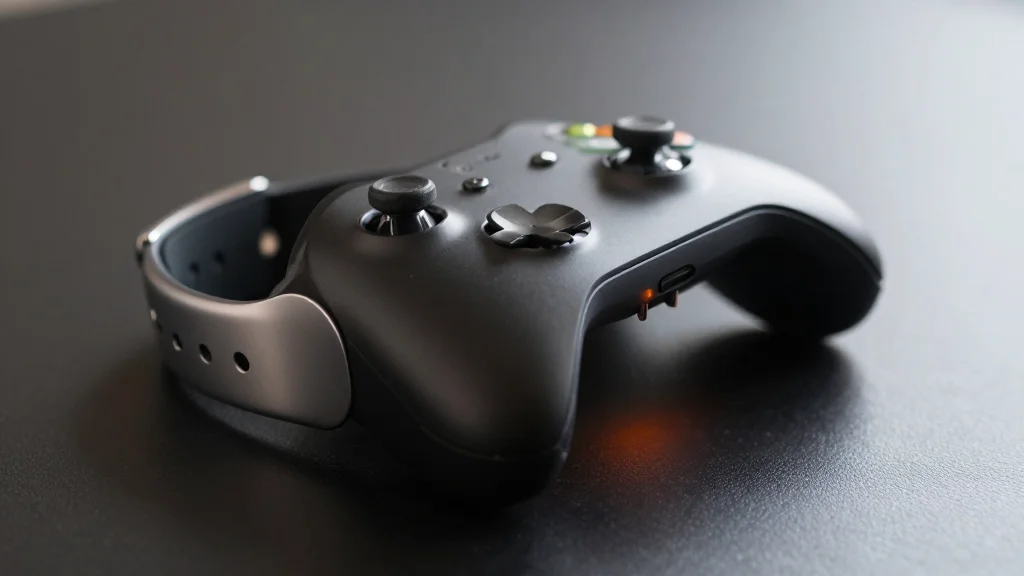
Exposed Charging Pins on Valve Steam Controller Puck Raise Safety Questions
Companies Mentioned

Valve
GOOG
Why It Matters
An overheating charging accessory can damage property and erode consumer trust, prompting manufacturers to reassess safety mechanisms in wireless power designs. The issue underscores the need for stricter standards across the gaming hardware market.
Key Takeaways
- •Valve investigating overheating of Steam Controller charging puck after short circuit
- •Exposed pogo pins let metal watch band spark, causing heat damage
- •Valve offers replacement, no broader recall or redesign announced yet
- •Raises broader safety questions for magnetic wireless chargers in gaming
Pulse Analysis
Wireless charging has become a hallmark of modern gaming peripherals, offering sleek docking and reduced wear compared with traditional cables. Valve’s Steam Controller employs a magnetic puck with exposed pogo pins, a design that simplifies alignment but forgoes the handshaking protocols common in newer Qi‑based chargers. This trade‑off reduces component count and cost, yet it also leaves the system vulnerable when conductive objects bridge the contacts, as demonstrated by the recent short‑circuit incident involving a metal smartwatch band.
The incident spotlights a gap in safety engineering that many manufacturers are beginning to address. Contemporary chargers often embed current‑limiting circuitry, temperature sensors, and foreign‑object detection to shut down power delivery the moment an anomaly is detected. Gaming hardware, however, has historically prioritized low latency and tactile feedback over rigorous fault protection. As gamers increasingly integrate controllers with high‑value home setups, a single overheating event can translate into property damage, insurance claims, and brand reputation loss, pressuring companies to adopt stricter safety standards.
Looking ahead, Valve may need to redesign the puck or release a firmware update that adds protective throttling. Industry peers are already rolling out magnetic chargers with insulated contacts or integrated shut‑off mechanisms, setting a new benchmark for safety. For consumers, the takeaway is to keep metallic objects away from exposed charging surfaces and to monitor heat during use. For manufacturers, the episode serves as a reminder that convenience must be balanced with robust safeguards to maintain trust in the rapidly expanding market for wireless gaming accessories.
Exposed Charging Pins on Valve Steam Controller Puck Raise Safety Questions
Comments
Want to join the conversation?
Loading comments...