Why It Matters
The growth signals rising regulatory and liability pressures, pushing enterprises to invest in IoT‑enabled safety platforms that can reduce incident risk and protect remote staff.
Key Takeaways
- •2.5 M lone workers used connected safety tools in 2025
- •Projected 3.8 M users worldwide by 2030
- •Europe’s user base to exceed 2.2 M by 2030
- •Regulation, liability and IoT advances drive adoption
Pulse Analysis
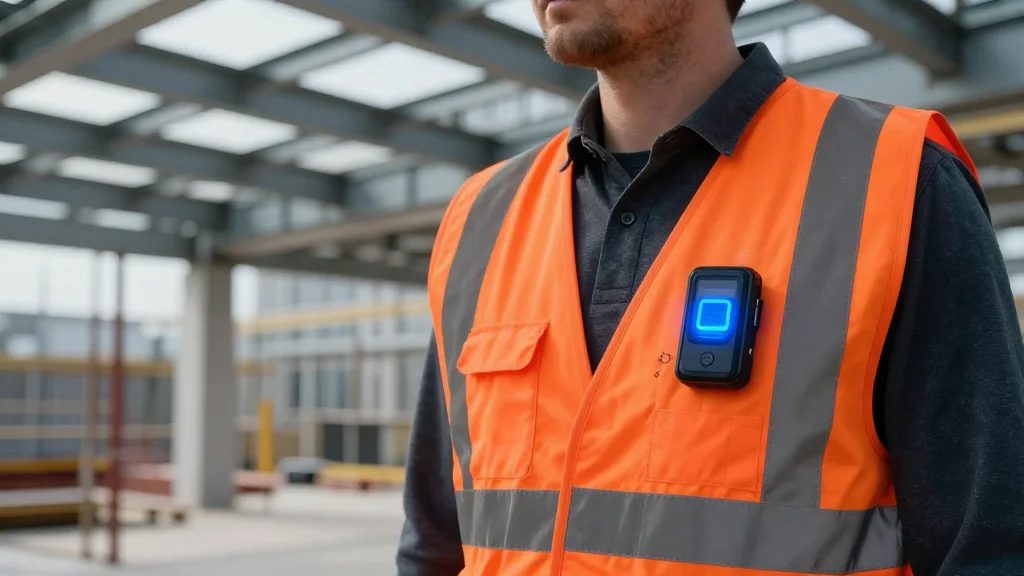
The connected‑safety market for lone workers is still in its infancy, yet recent data shows a clear upward trajectory. With 2.5 million users at the close of 2025, the sector is poised to add more than 1.3 million new adopters by 2030. Europe, the largest regional hub, will see its user base swell from 1.4 million to over 2.2 million, reflecting both the scale of remote‑work environments and the growing awareness of safety obligations. This early‑stage growth offers vendors ample room to innovate, but also underscores the need for scalable solutions that can serve diverse industries, from construction to utilities.
Three primary forces are accelerating this shift. First, tighter regulatory frameworks across the EU, U.S., and Australia compel employers to demonstrate proactive risk mitigation for isolated staff. Second, the rising cost of liability claims for lone‑worker incidents makes investment in real‑time monitoring a financially prudent move. Third, rapid advances in IoT hardware, low‑latency mobile networks, and AI‑driven analytics enable reliable, user‑friendly platforms that can alert supervisors instantly when a worker is in distress. Together, these drivers transform lone‑worker safety from a niche compliance checkbox into a strategic, people‑centric technology initiative.
Despite the momentum, broader adoption hinges on solution reliability, ease of use, and demonstrable ROI. Companies must ensure that devices function in harsh environments, that alerts are actionable, and that data privacy standards are met. As the market matures, we can expect tighter integration with broader enterprise safety suites, predictive analytics to anticipate hazards, and potentially new insurance incentives for firms that deploy certified connected safety systems. Enterprises that act early will not only reduce risk but also gain a competitive edge in talent attraction and operational resilience.
Fact of the Week – 5/11/2026
Comments
Want to join the conversation?
Loading comments...