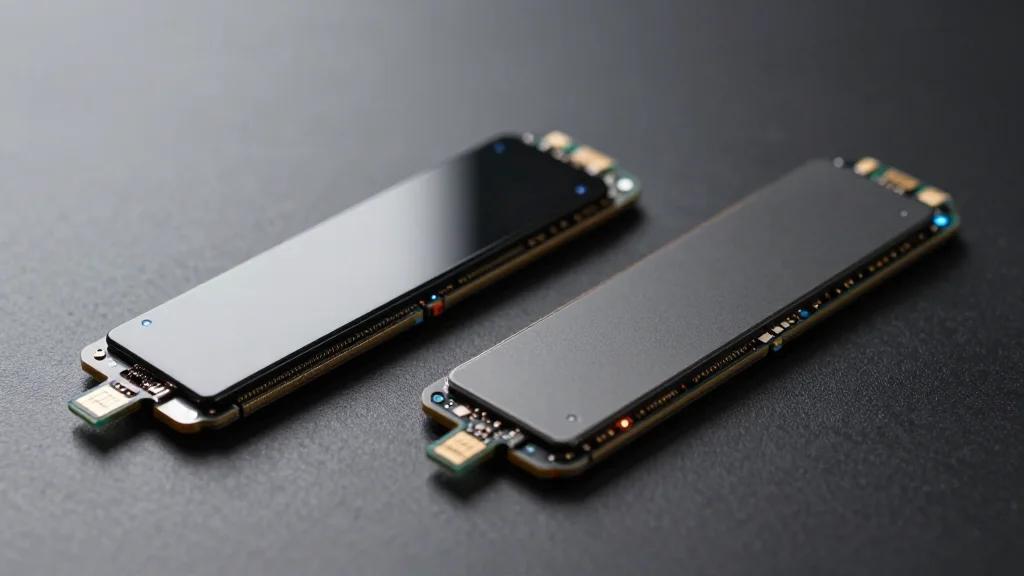
Fake Samsung 990 Pro SSD Is Good Enough to Fool Your Benchmarks
Why It Matters
The deception highlights how component shortages are enabling sophisticated hardware counterfeits, threatening data center reliability and consumer trust. Enterprises and enthusiasts must adopt rigorous verification to avoid costly performance shortfalls and potential data loss.
Key Takeaways
- •Counterfeit 990 Pro mimics specs, passes basic software checks
- •Uses Maxio MAP1602 controller, lacks Samsung DRAM cache
- •Transfer speed ~260 MB/s vs genuine 1,860 MB/s
- •Serial number shows repeated 8s; Samsung Magician flags non‑Samsung
- •Buyers must benchmark and verify components from third‑party sellers
Pulse Analysis
The ongoing global shortage of DRAM and NAND has turned storage components into a lucrative target for fraudsters. As AI data‑center construction hoards silicon, counterfeiters can source cheap, off‑brand SSDs and rebrand them with high‑profile names. This environment not only inflates prices for legitimate products but also erodes confidence in the supply chain, prompting retailers and OEMs to tighten distribution controls and invest in anti‑counterfeit technologies.
Technical analysis of the fake Samsung 990 Pro reveals a clever mix of hardware and software deception. By installing a Maxio MAP1602 controller and omitting Samsung’s proprietary DDR4 cache, the counterfeit can report impressive sequential speeds in synthetic benchmarks that rely on the controller’s advertised capabilities. However, real‑world file transfers, as measured by FastCopy, expose a dramatic slowdown to roughly 260 MB/s. Additional red flags include an all‑eights serial number and failure of Samsung Magician’s diagnostic scans, underscoring the need for multi‑layered verification beyond surface‑level software reads.
For businesses and power users, the lesson is clear: source components only from authorized distributors and conduct thorough performance testing before deployment. Tools such as H2testw, FastCopy, and detailed visual inspection of packaging can uncover inconsistencies that standard utilities miss. Industry groups are also advocating for blockchain‑based provenance tracking to authenticate hardware at each supply‑chain step. By combining vigilant purchasing practices with emerging verification technologies, organizations can safeguard performance, protect data integrity, and mitigate the financial risk posed by sophisticated counterfeit SSDs.
Fake Samsung 990 Pro SSD is good enough to fool your benchmarks
Comments
Want to join the conversation?
Loading comments...