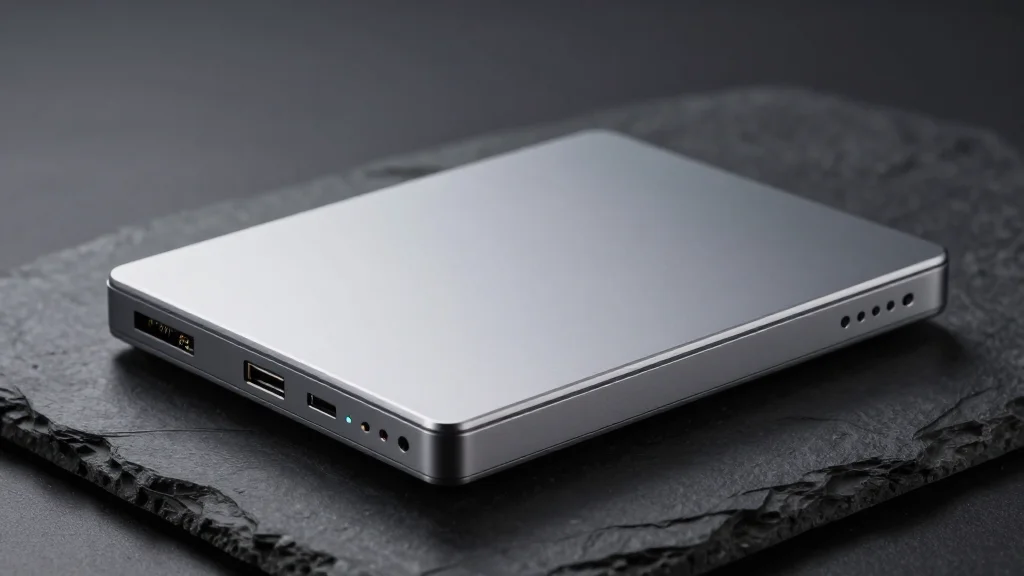
Flipper Devices Launches Flipper One, an Open‑source Linux Cyberdeck for Makers

Companies Mentioned
Why It Matters
Flipper One could reshape the maker and security research ecosystems by providing a genuinely open, high‑performance Linux platform that eliminates the reliance on proprietary bootloaders and binary blobs. Its modular design invites rapid prototyping of network tools, SDR experiments and edge‑AI applications, lowering the barrier for developers to build and share custom hardware extensions. If the device gains traction, it may pressure larger single‑board computer vendors to open their firmware and driver stacks, accelerating a broader shift toward transparent, community‑driven hardware. For enterprises, an open, auditable platform could become a trusted base for secure edge deployments, reducing supply‑chain risk associated with closed‑source firmware.
Key Takeaways
- •Flipper One features an 8‑core RK3576 ARM SoC, Mali‑G52 GPU and 6 TOPS NPU
- •8 GB RAM and a secondary RP2350 MCU enable dual‑OS operation and low‑power mode
- •Modular I/O includes PCIe, USB 3.0, SATA, dual gigabit Ethernet, Wi‑Fi 6E and an M.2 slot
- •Full mainline Linux kernel support achieved through collaboration with Collabora
- •Kickstarter campaign slated for later 2026 with a base price around $350
Pulse Analysis
Flipper One arrives at a moment when the maker community is fragmented between low‑cost, closed‑source boards and high‑end, enterprise‑grade platforms. By delivering a fully open ARM Linux stack with a co‑processor architecture, Flipper Devices is attempting to bridge that divide. The decision to upstream the RK3576 SoC to the mainline kernel is a strategic move that not only future‑proofs the hardware but also signals a commitment to community stewardship—a rare stance among commercial SBC vendors.
The device’s pricing strategy is equally calculated. At roughly $350, it undercuts many industrial‑grade edge computers while offering capabilities—dual Ethernet, Wi‑Fi 6E, AI acceleration—that are typically reserved for pricier gear. This could attract a new class of developers who need on‑device inference for security analytics or real‑time signal processing but lack the budget for traditional embedded solutions.
However, the project’s success hinges on software maturity. The NPU driver, Flipper OS and FlipperCTL are still in concept, and the community will need to deliver robust, user‑friendly tooling. Flipper’s open invitation to developers mitigates this risk, but it also places the onus on a relatively niche audience to fill gaps that larger ecosystems (e.g., Raspberry Pi OS, Ubuntu Core) already address. If the Kickstarter garners sufficient backing and the software roadmap stays on track, Flipper One could become the de‑facto reference platform for open‑source networking and edge AI, nudging the broader hardware market toward greater transparency and modularity.
In the longer term, Flipper One may influence supply‑chain dynamics by demonstrating that a commercially viable, fully open hardware product can thrive without proprietary firmware. This could pressure larger OEMs to reconsider their lock‑in strategies, especially as security‑conscious enterprises seek audit‑able devices for edge deployments. The coming months will reveal whether the community’s enthusiasm translates into a sustainable product ecosystem or remains a niche curiosity.
Flipper Devices launches Flipper One, an open‑source Linux cyberdeck for makers
Comments
Want to join the conversation?
Loading comments...