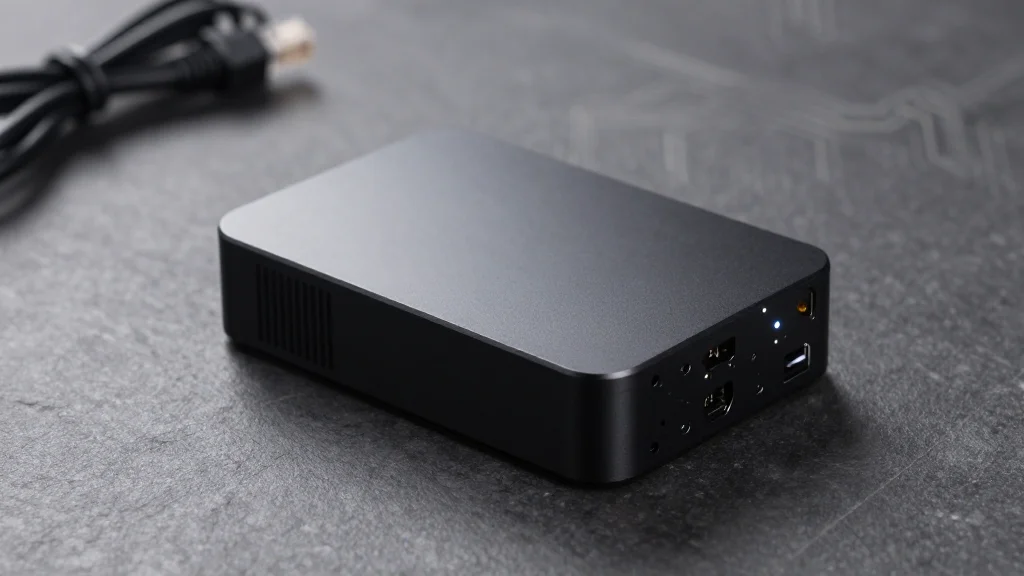
Flipper One Is a Next-Gen Flipper Zero with a Linux Brain and Serious Hardware Upgrades
Companies Mentioned
Why It Matters
Flipper One merges portable hacking capabilities with full‑featured computing, opening new use cases for security researchers and DIY enthusiasts while challenging existing mini‑PC offerings. Its open‑hardware approach could reshape how niche hardware tools are monetized and regulated.
Key Takeaways
- •Flipper One runs Linux on a Rockchip RK3576 SoC
- •Supports Wi‑Fi 6E, Ethernet, and optional 5G via eSIM or SIM
- •Includes M.2 storage slot and PCIe expansion for hardware add‑ons
- •Target price $350; Kickstarter launch planned later this year
- •Aims to blend hacker toolset with portable mini‑PC capabilities
Pulse Analysis
The Flipper Zero became a cultural touchstone for hobbyist security professionals, offering a pocket‑sized platform for RFID, infrared and radio frequency experimentation. Its success highlighted a market appetite for affordable, open‑source hardware that blurs the line between toy and tool. Flipper One seeks to capitalize on that momentum by delivering a full Linux environment, positioning itself as a true cyberdeck rather than a single‑purpose gadget. By embedding a powerful Rockchip RK3576 processor, the device promises desktop‑class multitasking in a handheld form factor, directly challenging the Raspberry Pi 5 and other SBCs in the portable niche.
Beyond raw compute, Flipper One’s networking suite is its headline feature. With Wi‑Fi 6E, gigabit Ethernet, and optional 5G connectivity via eSIM or a physical SIM, the device can act as a mobile penetration‑testing hub, a remote sensor node, or a lightweight edge server. The inclusion of an M.2 slot for NVMe storage and a PCIe expansion lane gives developers the flexibility to add custom radios, FPGA modules, or additional I/O without redesigning the board. This modularity aligns with the growing demand for adaptable security appliances that can evolve alongside emerging protocols and threat vectors.
From a business perspective, Flipper One’s $350 price point and Kickstarter strategy signal a shift toward community‑driven funding for specialized hardware. The model reduces upfront risk for Flipper Devices while fostering a loyal user base that can contribute firmware and app store extensions. However, the device inherits the regulatory scrutiny that plagued its predecessor, especially in regions that restrict dual‑use tools. Success will hinge on balancing open‑source freedom with compliance, and on differentiating the product enough to attract both seasoned hackers and mainstream makers seeking a portable, Linux‑powered workstation.
Flipper One is a next-gen Flipper Zero with a Linux brain and serious hardware upgrades
Comments
Want to join the conversation?
Loading comments...