Ford Pivots Its Kentucky Battery Plant From EVs to AI Data Centre Storage in a $2 Billion Bet
Companies Mentioned
Why It Matters
The pivot positions Ford to tap the fast‑growing AI‑driven data‑center and utility storage market, offering a new revenue stream that could outpace its struggling EV division. Success would also validate legacy automakers’ shift toward energy‑infrastructure services.
Key Takeaways
- •Ford Energy launches $2 bn grid‑scale battery unit.
- •First EDF contract covers up to 20 GWh over five years.
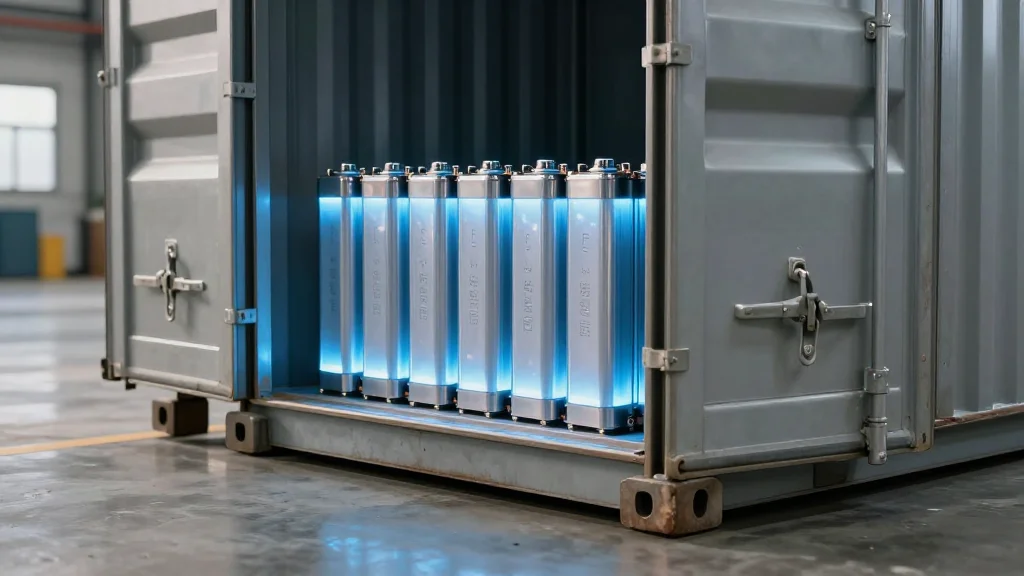
- •DC Block container delivers 5.45 MWh using CATL‑licensed LFP cells.
- •Production targets 20 GWh annually by 2027, aiming $10 bn valuation.
- •Ford repurposes Kentucky EV plant, assuming $3.8 bn DOE loan.
Pulse Analysis
Ford’s decision to convert its Glendale, Kentucky EV battery line into a dedicated energy‑storage factory reflects a broader industry trend: automakers are leveraging existing expertise to serve the exploding demand for grid‑scale power. Data‑center operators, driven by AI workloads, now require reliable, high‑density storage to smooth intermittent renewable supply and curb electricity costs. By licensing CATL’s lithium‑iron‑phosphate technology, Ford can offer a proven chemistry while keeping assembly domestic, sidestepping some geopolitical concerns tied to Chinese cell makers.
The EDF Power Solutions framework, worth up to 20 GWh over five years, provides Ford Energy with a credible anchor customer and a clear revenue runway. At 5.45 MWh per DC Block, the contract translates to roughly 3,670 containers, underscoring the scale of infrastructure investment needed for next‑generation compute. Analysts’ $10 billion valuation suggests the market could reward early movers, especially as utilities allocate billions toward modernizing grids for resilience and decarbonization.
However, the venture faces execution risks. Scaling production to a minimum 20 GWh annually by 2027 demands rapid supply‑chain coordination, workforce retraining, and compliance with U.S. procurement rules that scrutinize foreign‑origin components. If Ford can meet these hurdles, the energy‑storage arm could become a steady, high‑margin business that cushions the automaker’s earnings while reinforcing its brand as a broader mobility and energy player.
Ford pivots its Kentucky battery plant from EVs to AI data centre storage in a $2 billion bet
Comments
Want to join the conversation?
Loading comments...