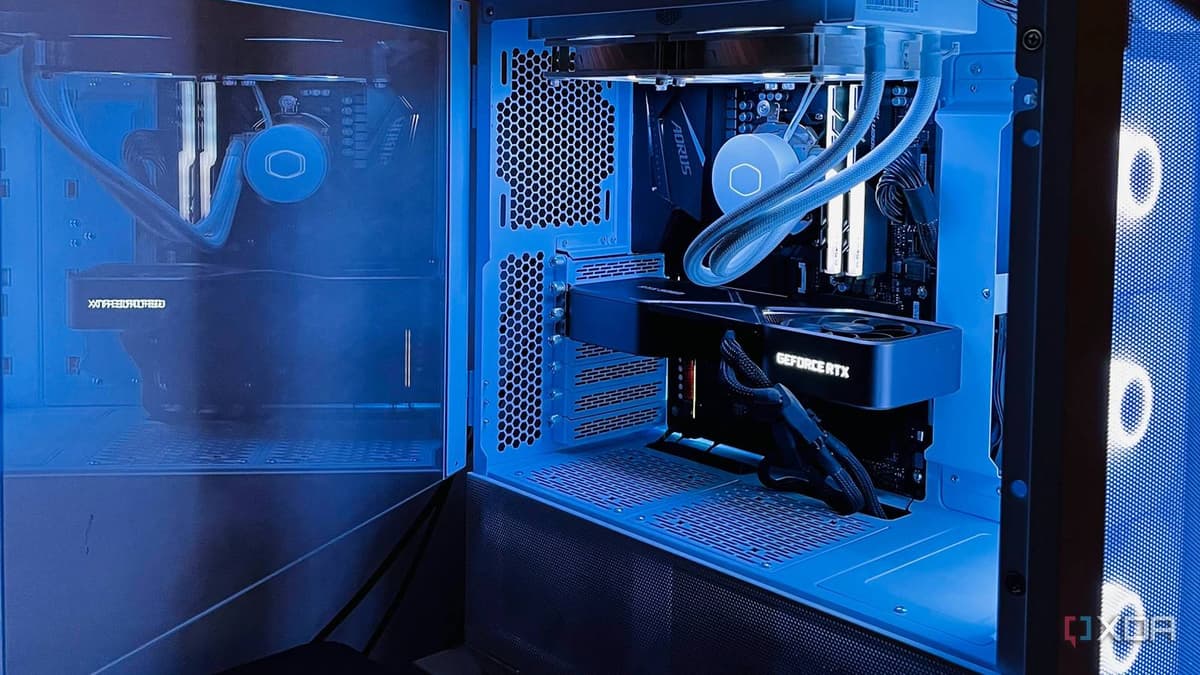
Forget Upgrading Your GPU — Your Existing Card Is Probably Overkill Already
•March 2, 2026
0
Why It Matters
With GPU costs at $750+ per high‑end card, postponing upgrades preserves budget and reduces e‑waste while still delivering acceptable frame rates for the majority of games.
Key Takeaways
- •GPU prices up 30‑50% since last year.
- •RTX 3070 handles most popular games at high settings.
- •60+ FPS achievable on 1440p with two‑gen GPUs.
- •Diminishing returns after 100 FPS for most gamers.
- •Upgrading now costs $750+; extend current GPU life.
Pulse Analysis
The graphics‑card market has entered an unprecedented inflation cycle, driven by supply constraints, cryptocurrency mining demand, and aggressive product launches. Prices for flagship GPUs have risen 30‑50% year‑over‑year, with the RTX 5090 trading at nearly twice its suggested retail price. This price shock forces many enthusiasts to reconsider the traditional upgrade cadence and evaluate whether the performance gains justify the expense. Understanding the macro‑economic forces behind the surge helps buyers make data‑driven decisions rather than succumbing to hype.
Performance‑wise, the majority of popular titles—such as Counter‑Strike 2, Fortnite, and Baldur’s Gate 3—run comfortably on mid‑range hardware from two generations ago. An RTX 3070 or RX 6800 XT can sustain 60‑plus frames per second at 1440p on high settings, especially when paired with upscaling technologies like DLSS, FSR, or Lossless Scaling. The human eye perceives the most noticeable jump between 30 FPS and 60 FPS; gains beyond 100 FPS yield diminishing returns for most gamers, particularly in non‑competitive environments. Leveraging undervolting, power‑limit tweaks, and driver optimizations can squeeze additional headroom without new silicon.
From a strategic standpoint, delaying a GPU purchase protects both the wallet and the environment. High‑end cards now start around $750, a price many cannot justify when current hardware already meets the performance envelope for daily gaming. Extending the lifespan of existing GPUs reduces electronic waste and aligns with sustainable computing trends. Gamers can focus on clearing backlogs of indie and older titles, and when a truly demanding AAA release arrives, they can employ software‑based scaling and modest hardware tweaks to maintain a satisfying experience without a costly upgrade.
Forget upgrading your GPU — your existing card is probably overkill already
0
Comments
Want to join the conversation?
Loading comments...