Why It Matters
Reliable, low‑latency connectivity is the linchpin for digital transformation in mining, directly impacting production uptime, safety compliance, and operating costs. By standardizing on private 5G, operators can unlock AI‑powered optimization and accelerate autonomous equipment rollouts, reshaping the industry's cost structure.
Key Takeaways
- •Ericsson and Becker‑Lasec deliver private 5G for underground mines
- •Smartflow unifies data, offering real‑time tracking and digital twin visualization
- •Private 5G replaces legacy VHF/Wi‑Fi, enabling autonomous equipment reliability
- •Continuous connectivity cuts downtime, improves safety, and lowers energy costs
- •Latin America pilots show full tunnel coverage and remote drilling
Pulse Analysis
The mining sector faces mounting pressure from volatile commodity prices, tighter safety regulations, and sustainability mandates. Traditional communication stacks—VHF/UHF radios, spotty Wi‑Fi, and isolated monitoring tools—cannot sustain the high‑bandwidth, low‑latency demands of modern autonomous fleets and sensor‑rich environments. As a result, many operations experience data silos, intermittent personnel tracking, and frequent equipment downtime, eroding both productivity and safety margins.
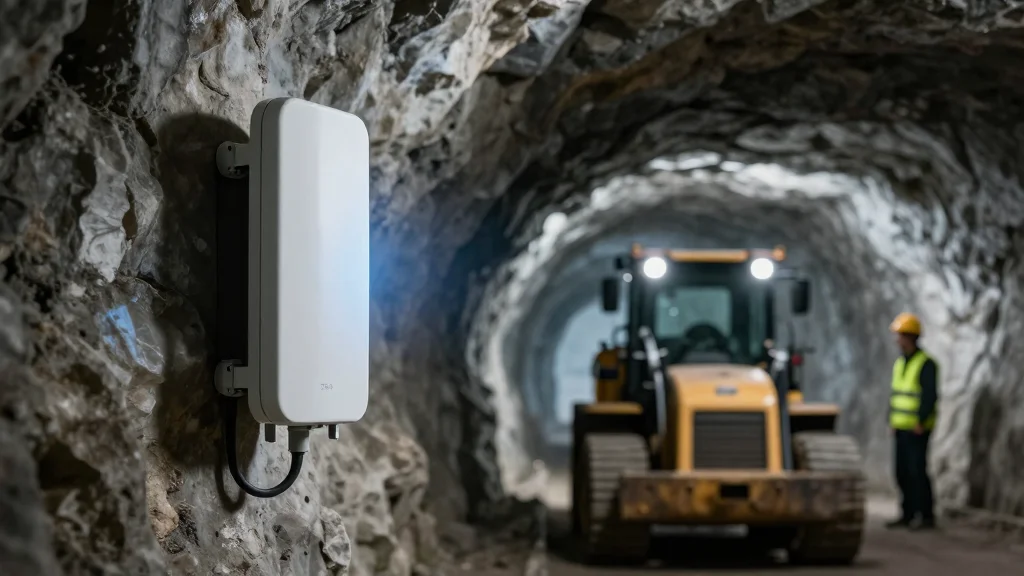
Ericsson’s private 5G combined with Becker‑Lasec’s Smartflow platform offers a purpose‑built answer. The 5G network delivers carrier‑grade reliability, deterministic latency, and secure SIM‑based authentication across kilometers of tunnels, while Smartflow aggregates sensor streams into a single digital‑twin view. Supervisors can monitor equipment health, air quality, and worker locations in real time, run simulation scenarios, and trigger predictive maintenance before failures occur. This unified stack eliminates the need for patchwork vendor solutions and provides a scalable foundation for AI‑driven analytics.
Early deployments in Latin America illustrate the business impact. A gold mine achieved full underground coverage using leaky‑feeder 5G antennas, enabling continuous man‑down detection, automated push‑to‑talk, and dynamic vehicle dispatch. The result was a measurable reduction in unplanned downtime, lower energy consumption through demand‑driven ventilation, and enhanced safety records that translate into reduced insurance premiums. With a robust connectivity backbone in place, mines are now poised to expand autonomous equipment, integrate digital twins at enterprise scale, and meet the growing expectations of investors and regulators for sustainable, high‑efficiency operations.
From signal to insight
Comments
Want to join the conversation?
Loading comments...